

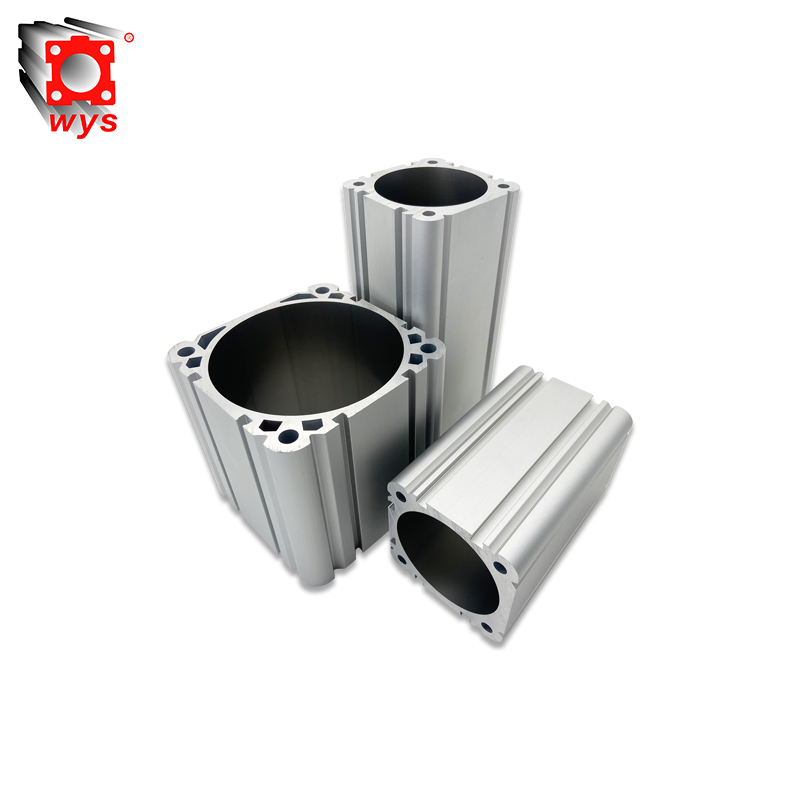
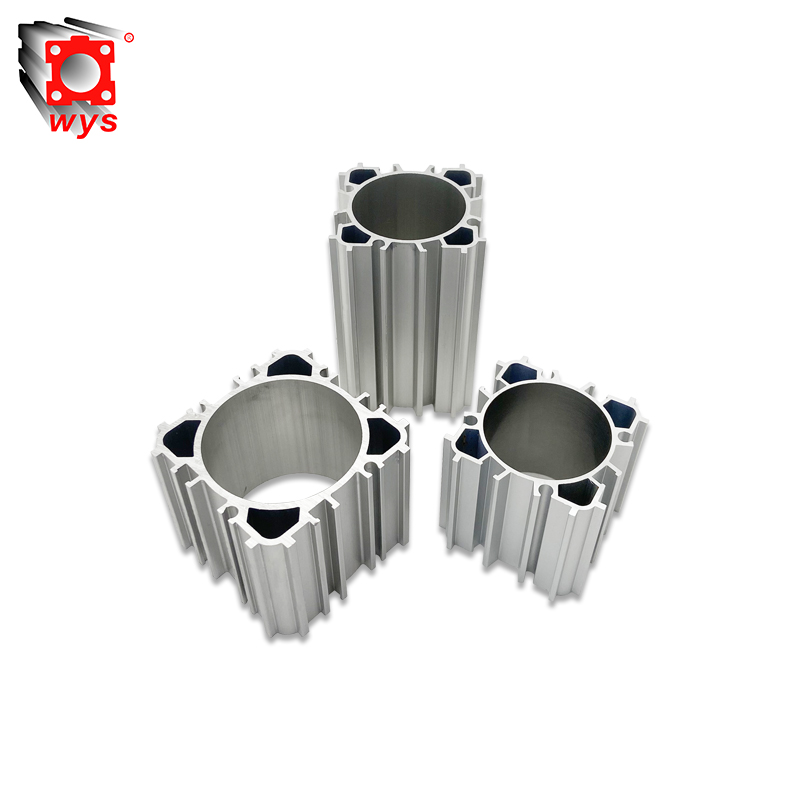
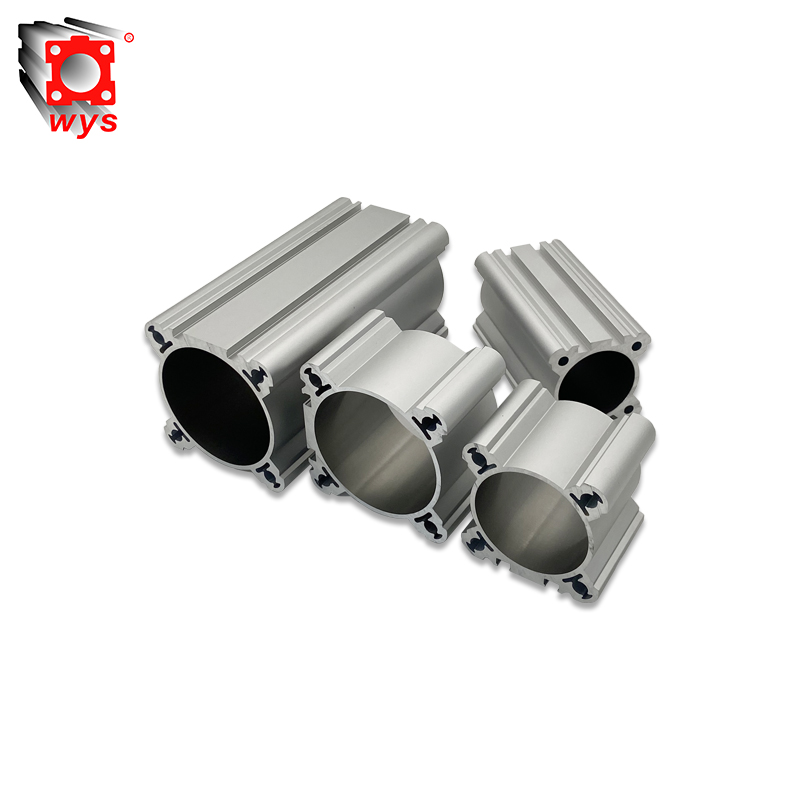
In pneumatic systems, cylinders are almost indispensable actuators, and the pneumatic cylinder tube is the main structure of the cylinder, forming the basis for piston movement, seal formation, and pressure bearing.
When selecting or understanding cylinder structures, a seemingly simple but actually very technical question often arises: Which is better, a single-acting or double-acting pneumatic cylinder barrel?
This question is frequently discussed because single-acting and double-acting pneumatic cylinder tubes differ significantly in structure, operating mode, and performance.
However, from an engineering perspective, "better" is not an absolute concept but needs to be judged in conjunction with the structural logic of the pneumatic cylinder barrel and the conditions of use.
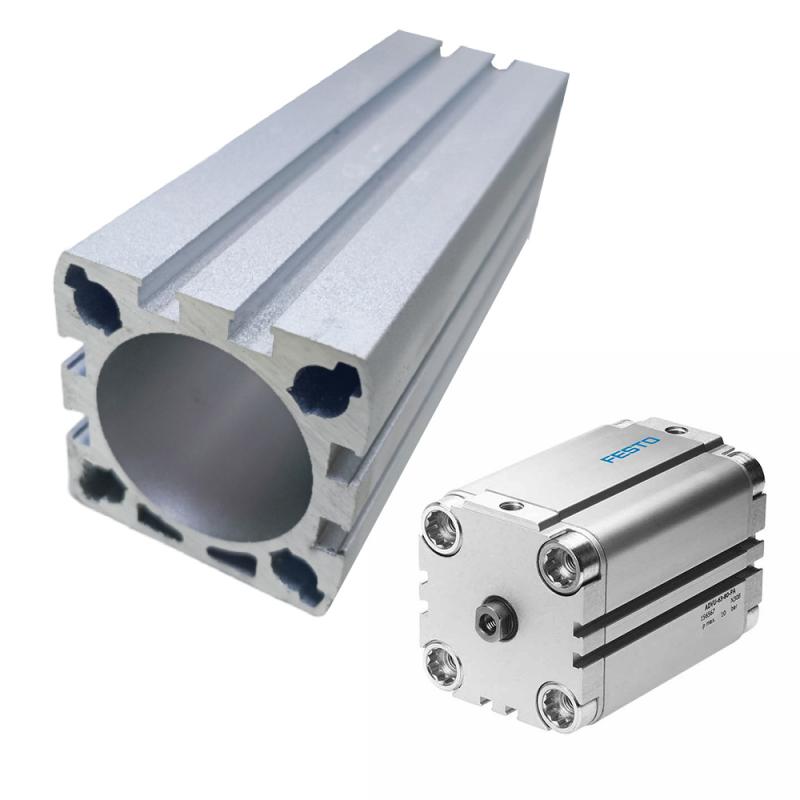
Why can't we simply conclude "which is better"?
Before comparing single-acting and double-acting pneumatic cylinder barrels, a key understanding must be clarified: pneumatic cylinder barrels are not distinguished by "good" or "bad," but rather by "whether they are suitable for a certain operating mode."
The design purposes of pneumatic cylinder barrels differ
Single-acting and double-acting pneumatic cylinder barrels are designed from the outset to serve different working principles:
• Single-acting pneumatic cylinder barrel: Designed for unidirectional gas drive
• Double-acting pneumatic cylinder barrel: Designed for bidirectional gas drive
This difference is not a matter of performance superiority or inferiority, but rather a difference in functional positioning.
Different engineering evaluation criteria
Judging the merits of pneumatic cylinder tubes solely based on "complexity," "drive force type," or "structural integrity," without considering their working methods, easily leads to one-sided conclusions.
Therefore, before answering "which is better, a single-acting or double-acting pneumatic cylinder barrel," it is essential to understand their fundamental differences.
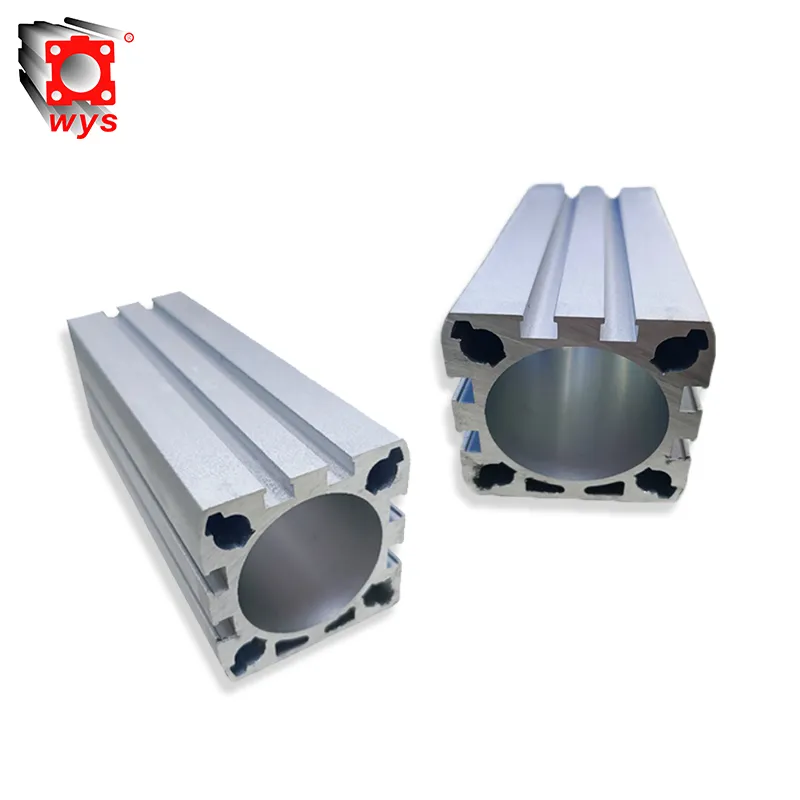
What is a single-acting pneumatic cylinder barrel?
A single-acting pneumatic cylinder barrel refers to the cylinder structure used in a single-acting cylinder. In this structure, compressed air applies force to the piston in only one direction, while the piston's return stroke is typically accomplished by spring force or external mechanical force.
Structural Characteristics of a Single-Acting Pneumatic Cylinder Barrel
From a structural perspective, a single-acting pneumatic cylinder barrel typically possesses the following characteristics:
• Only one working chamber needs to be formed internally.
• The cylinder barrel only needs to withstand unidirectional gas pressure.
• The internal structure is relatively simple.
Since the pneumatic cylinder barrel only undertakes the task of pressurizing on one side, its sealing and stress design are relatively concentrated.
Engineering Advantages of a Single-Acting Pneumatic Cylinder Barrel
From an engineering logic perspective, the advantages of a single-acting pneumatic cylinder barrel are mainly reflected in:
• Simple structure and concentrated internal functions.
• Relatively low requirements for gas path control.
• The internal stress state of the cylinder barrel is relatively simple.
However, these "advantages" do not mean that it is superior to a double-acting pneumatic cylinder tube in all aspects.
What is a Double-Acting Pneumatic Cylinder Barrel?
A double-acting pneumatic cylinder barrel is a core structural component designed for double-acting cylinders. Its most significant characteristic is that the piston is driven by compressed air in both the extension and retraction directions.
The Structural Essence of a Double-Acting Pneumatic Cylinder Barrel
To achieve bidirectional gas drive, a double-acting pneumatic cylinder barrel must meet the following structural conditions:
• It must have two working gas chambers: a front chamber and a rear chamber.
• The piston divides the internal cavity of the pneumatic cylinder barrel into two sealed spaces.
• The cylinder barrel must be able to withstand bidirectional, alternating gas pressure.
Therefore, double-acting pneumatic cylinder barrels have significantly higher requirements in terms of bore precision, sealing layout, and structural rigidity.
Engineering Characteristics of a Double-Acting Pneumatic Cylinder Barrel
From an engineering perspective, a double-acting pneumatic cylinder barrel possesses:
• Bidirectional drive capability
• More stable and controllable motion characteristics
• Higher structural integrity requirements
This is why double-acting pneumatic cylinder tubes are often considered "more complex," but not necessarily "absolutely better."
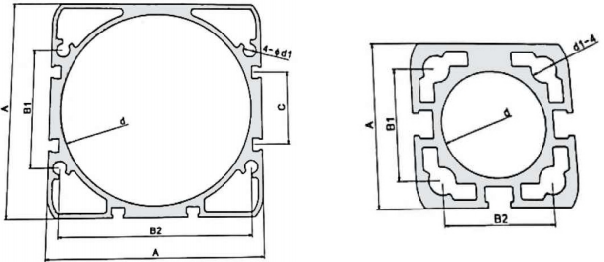
From a drive method perspective, which is better, a single-acting or double-acting pneumatic cylinder tube?
If comparing solely based on the completeness of the actuation method:
• Single-acting pneumatic cylinder barrel: Driven by gas in only one direction.
• Double-acting pneumatic cylinder tube: Driven by gas in both directions.
Theoretically, the double-acting pneumatic cylinder tube offers more complete and direct actuation control. Every piston movement can be precisely controlled by gas pressure, without relying on elasticity or external forces.
However, this doesn't mean the single-acting pneumatic cylinder barrel is "bad," but rather that its actuation method is designed for specific operating conditions.
From a structural stability perspective, which pneumatic cylinder tube is more advantageous?
Structural stability of a single-acting pneumatic cylinder tube
Because the single-acting pneumatic cylinder tube only bears unidirectional gas pressure, its stress state is relatively concentrated, making structural analysis simpler. However, at the same time:
• Return stroke relies on springs or external forces
• Motion state is more significantly affected by external conditions
Structural stability of double-acting pneumatic cylinder tubes
Double-acting pneumatic cylinder tubes structurally need to withstand bidirectional pressure changes, but their advantages are:
• The entire motion process is driven by gas
• The force and motion state are more controllable
Therefore, in terms of "structural stability," double-acting pneumatic cylinder tubes generally exhibit higher consistency and predictability.
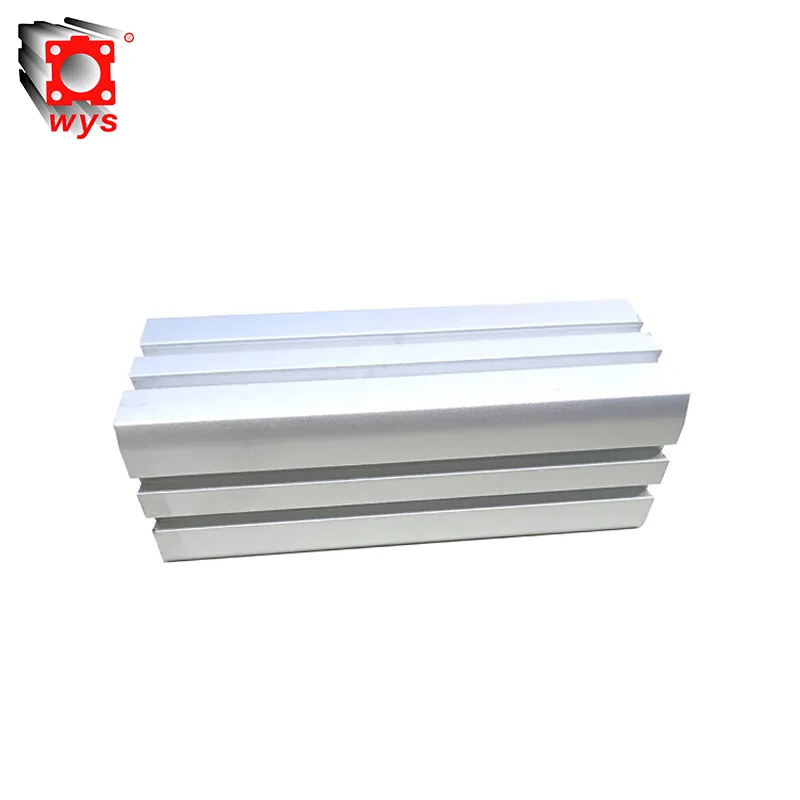
From the perspective of sealing and inner surface requirements, which pneumatic cylinder barrel has more stringent requirements?
Sealing Requirements for Single-Acting Pneumatic Cylinder Barrels
Single-acting pneumatic cylinder barrels typically only need to seal one working chamber, therefore:
• Fewer seals required
• Inner surface requirements concentrated on one working area.
Sealing Requirements for Double-Acting Pneumatic Cylinder Barrels
Double-acting pneumatic cylinder barrels have two working chambers, meaning:
• Reliable seals are required on both sides of the piston
• The inner surface of the pneumatic cylinder tube must maintain a high quality throughout its stroke.
From this perspective, double-acting pneumatic cylinder tubes have higher requirements for machining precision and inner surface consistency.
Can it be simply said that "double-acting pneumatic cylinder tubes are better"?
From an engineering perspective, it cannot be simply stated that double-acting pneumatic cylinder tubes are necessarily better than single-acting pneumatic cylinder barrels. The reasons are as follows:
• A single-acting pneumatic cylinder barrel is not a "lower-spec version of a double-acting one."
• It is a dedicated structure designed for the specific requirement of unidirectional drive.
If the operating logic of a system only requires unidirectional gas drive, then a single-acting pneumatic cylinder barrel is structurally more "suitable."
How to answer "which is better" from a rational perspective?
If a rational summary must be given at the engineering level, it can be understood as follows:
• From the perspective of functional completeness and control capability: a double-acting pneumatic cylinder barrel is more comprehensive.
• From the perspective of structural simplicity and unidirectional drive requirements: a single-acting pneumatic cylinder barrel is more direct.
• From the perspective of design complexity and precision requirements: a double-acting pneumatic cylinder barrel has higher requirements.
• From the perspective of the "good" or "bad" of the pneumatic cylinder barrel itself: there is no absolute superiority or inferiority.
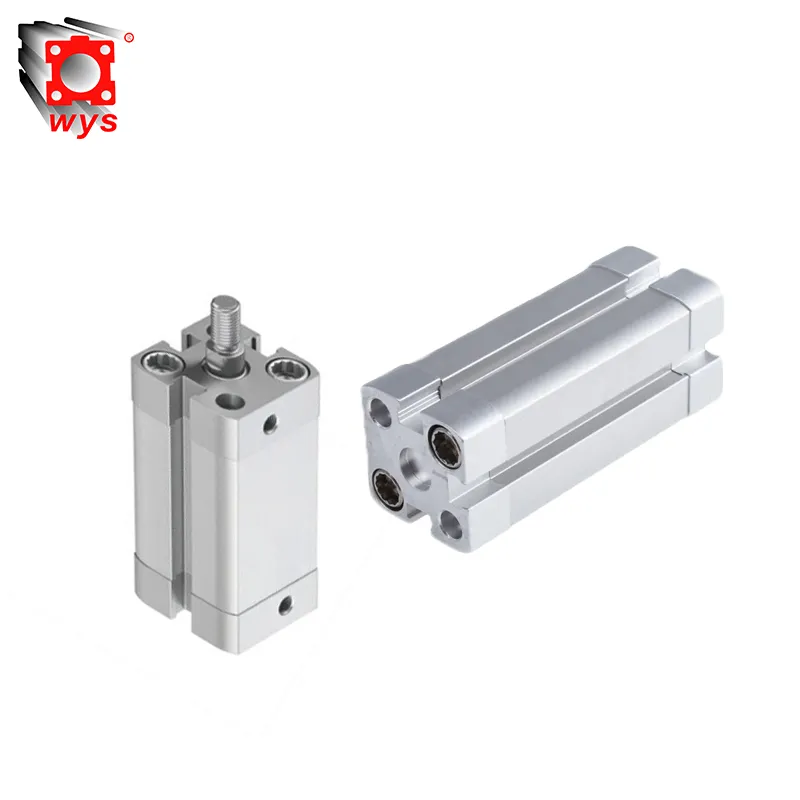
Which is better, a single-acting or double-acting pneumatic cylinder barrel?
The answer is: there is no absolutely better pneumatic cylinder tube, only a pneumatic cylinder tube more suitable for a specific operating mode.
Single-acting pneumatic cylinder barrels exist due to their simple structure and clear unidirectional drive; double-acting pneumatic cylinder barrels are widely used for their bidirectional gas drive, control integrity, and operational stability.
Truly professional judgment lies not in simply choosing "single-acting" or "double-acting," but in truly understanding the structural logic and working principle of pneumatic cylinder barrels, and making a rational choice based on that understanding.
What industries use your pneumatic cylinders?
Our products serve a wide range of industries, including automation, robotics, manufacturing, and industrial machinery. Foshan Weiyingjia Technology Co., Ltd. supplies high-quality cylinder barrels, kits, liners, and seals that meet stringent technical requirements. Companies looking to purchase durable, precise, and energy-efficient components can rely on our factory as a professional manufacturer and supplier, supporting both bulk and specialized orders.