

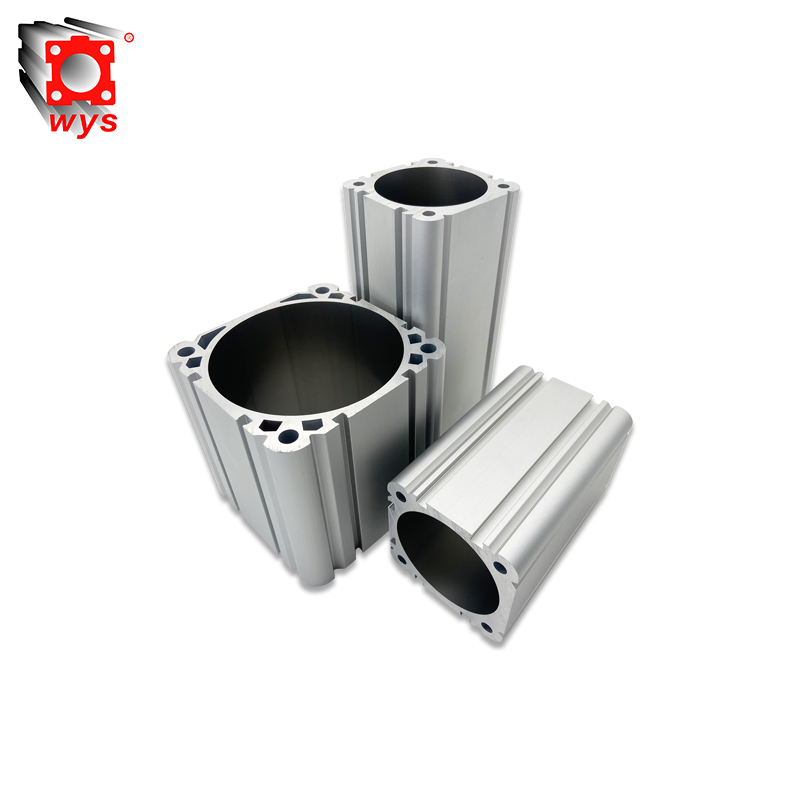
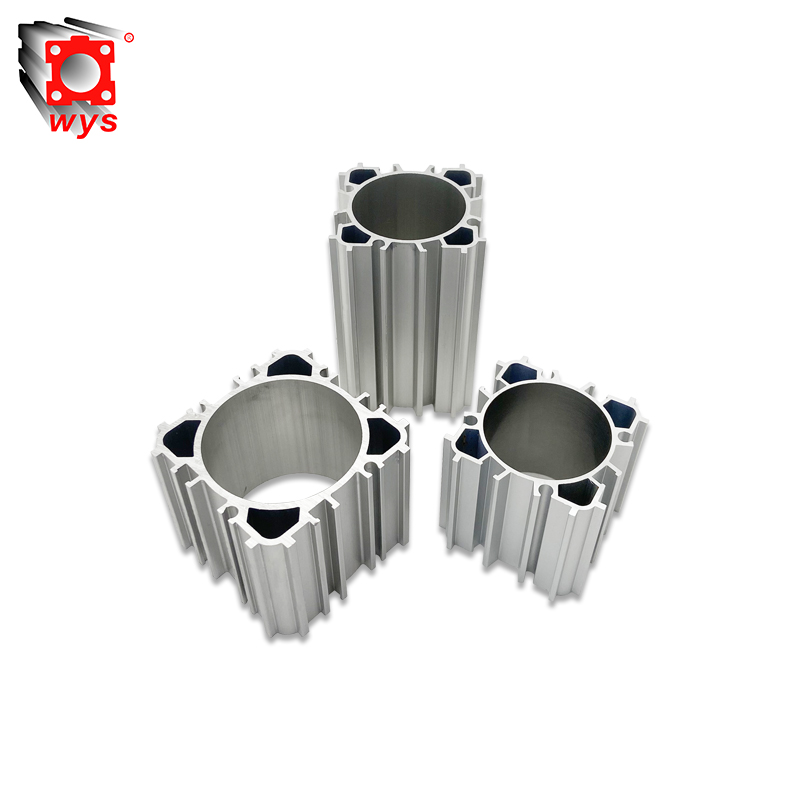
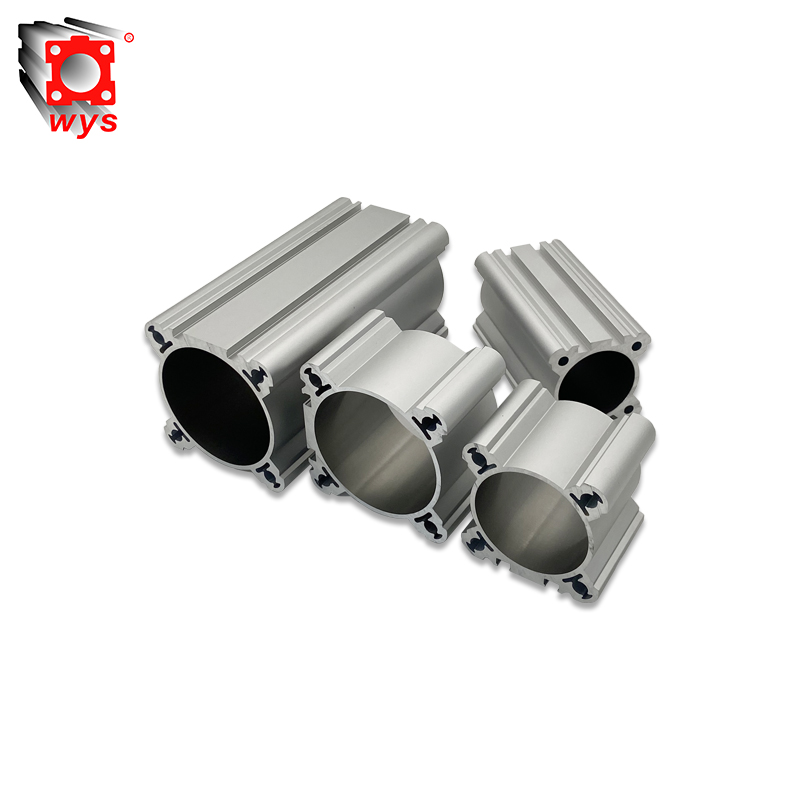
In compressed air systems, cylinders are widely used to achieve linear motion, and the pneumatic cylinder barrel is one of the most crucial and easily overlooked components.
Many failures superficially appear as "abnormal cylinder operation," "insufficient thrust," or "air leakage," but from an engineering perspective, the problem often stems from the gradual degradation of the pneumatic cylinder tube itself or its internal environment.
So, why do pneumatic cylinder tubes fail? Do pneumatic cylinder tube failures occur suddenly? What factors are most likely to cause pneumatic cylinder tube failure?
This article will systematically and deeply analyze the root causes of pneumatic cylinder tube failure from the perspectives of pollution, environment, structure, materials, and maintenance.
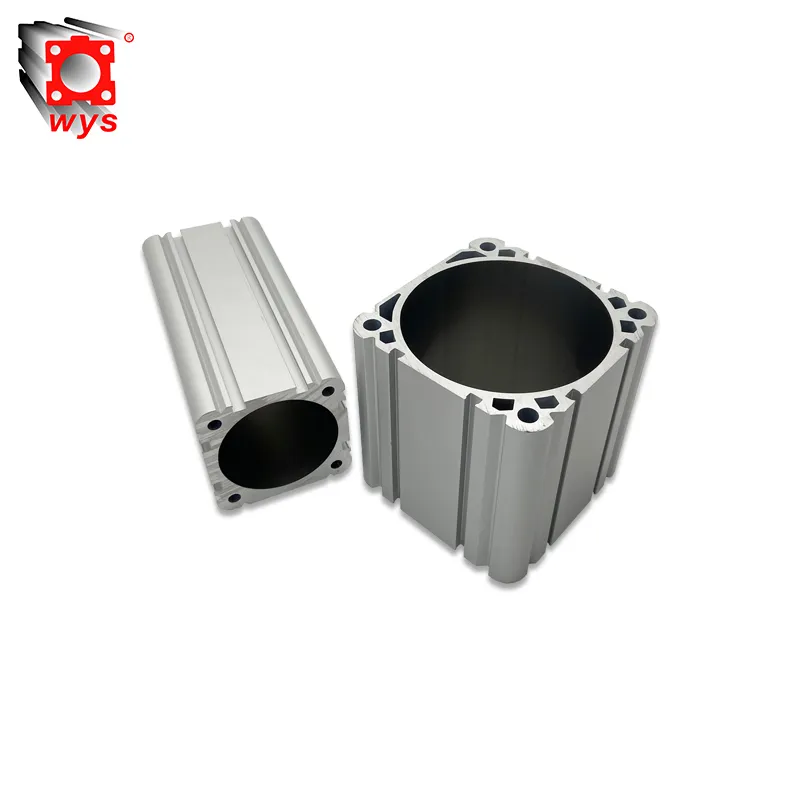
How is pneumatic cylinder tube failure defined?
Before discussing the causes, it is necessary to clarify: what conditions can be considered a pneumatic cylinder tube failure?
From an engineering perspective, pneumatic cylinder tube failure doesn't simply mean "complete inoperability," but includes the following:
• Inability to maintain a normal sealing environment
• Abnormally increased internal friction
• Unstable piston movement
• Unacceptable damage to the inner wall or structure
When the pneumatic cylinder tube can no longer provide a clean, smooth, and stable sealed space for piston movement, it can be considered to have entered a failure state.
Why are contaminants the main cause of pneumatic cylinder tube failure?
Among the many causes of failure, contaminant blockage and intrusion are one of the most common and fundamental causes of pneumatic cylinder tube failure.
What contaminants get into the pneumatic cylinder tube?
Common contaminants that enter the interior of a pneumatic cylinder tube include:
• Solid particles (dust, metal shavings, abrasive particles)
• Moisture (liquid water or condensation from high-humidity air)
• Oil contaminants (lubricating oil mist or degraded grease)
These contaminants often enter the system along with the compressed air.
Mechanisms of Contaminant Damage to the Internal Environment of a Pneumatic Cylinder Tube
A pneumatic cylinder tube is a precision chamber designed for clean compressed air.
Once contaminants enter:
• Solid particles repeatedly rub against the inner wall and seals of the pneumatic cylinder tube.
• Moisture causes metal corrosion.
• Oil attracts more impurities, forming sticky deposits.
These effects continuously damage the internal surface quality of the pneumatic cylinder tube.
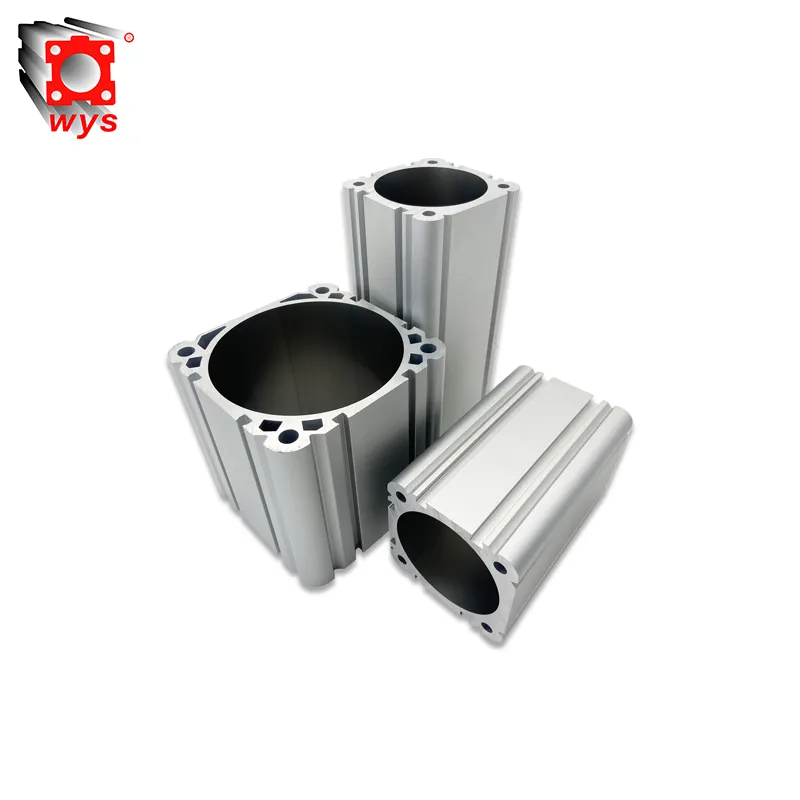
Why does contaminant blockage lead to "sudden failure"?
Contamination is not a one-time event but rather a gradual accumulation. When contamination reaches a critical point, the following may occur inside the pneumatic cylinder barrel:
• Seals become stuck.
• The piston cannot move freely.
• The air passage is blocked.
From the outside, this manifests as a "sudden malfunction" of the pneumatic cylinder barrel.
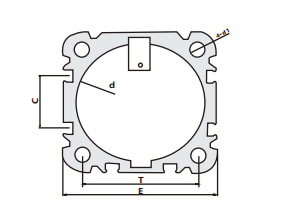
Why are pneumatic cylinder barrels more prone to damage in harsh environments?
Environmental conditions are a significant external factor affecting the lifespan of a pneumatic cylinder barrel.
The Effects of High Humidity on Pneumatic Cylinder Tubes
In high humidity environments, moisture more easily enters the pneumatic cylinder tube, leading to:
• Rusting of the inner wall
• Increased surface roughness
• Water absorption and swelling of seals
These changes weaken the basic function of the pneumatic cylinder tube.
Continuous Erosion in Dusty Environments
When a pneumatic cylinder barrel is exposed to dusty or particulate environments for extended periods:
• Piston rod extension and retraction can introduce particles into the cylinder
• Particles create an abrasive effect within the pneumatic cylinder barrel
• Simultaneous wear of the inner wall and seals
This damage is often irreversible.
Hidden Damage from Corrosive Environments
Chemicals in certain environments may not be immediately apparent, but they can slowly erode the pneumatic cylinder barrel material, weakening its structural integrity.
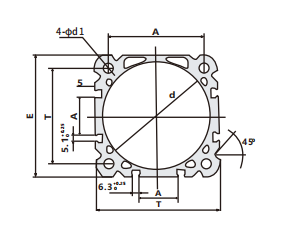
Why Does Improper Maintenance Accelerate Pneumatic Cylinder Tube Failure?
The pneumatic cylinder tube is a component highly sensitive to usage and maintenance conditions.
Lack of Necessary Cleaning and Inspection
If a pneumatic cylinder tube operates for extended periods without necessary cleaning:
• Contaminants will continuously accumulate internally.
• Minor damage will go undetected.
• Failures will spread from localized to systemic.
Impact of Improper Lubrication Management
The lubrication condition inside the pneumatic cylinder barrel directly affects friction and wear. If lubrication is insufficient or the lubricating medium is contaminated:
• Increased friction between the piston and the inner wall of the pneumatic cylinder barrel.
• Significantly increased wear rate of seals.
Consequences of Repeated Use Without Timely Maintenance
During repeated use, the internal components of the pneumatic cylinder barrel gradually wear down. Without appropriate maintenance strategies:
• Cumulative wear eventually exceeds design tolerances.
• The pneumatic cylinder tube fails rapidly within a short period.
Why is the internal structure of the pneumatic cylinder barrel prone to cascading failures?
Structurally, the pneumatic cylinder tube is a highly coupled system.
How does damage to the inner wall trigger seal failure?
Once scratches or corrosion appear on the inner wall of a pneumatic cylinder barrel:
• The seals will be repeatedly scratched.
• Sealing performance will rapidly decline.
• Leakage problems will worsen.
How does seal failure, in turn, damage the pneumatic cylinder barrel?
After the sealing performance declines:
• External contaminants can more easily enter.
• Moisture can be more easily trapped.
• The extent of internal damage expands.
Ultimately creating a vicious cycle.
Why do material and surface conditions affect the reliability of a pneumatic cylinder tube?
The material and internal surface condition of a pneumatic cylinder tube are the physical basis for its long-term reliable operation.
Insufficient material corrosion resistance
In water-containing or polluted environments, if the pneumatic cylinder tube material has insufficient corrosion resistance:
• Corrosion will begin at the microscopic level.
• The internal wall structure will be gradually destroyed.
The impact of deteriorated internal surface quality
The inner surface of a pneumatic cylinder tube should be kept smooth. If the surface condition deteriorates:
• Frictional resistance increases.
• Piston movement stability decreases.
• Seal life is shortened.
These problems will directly drive the pneumatic cylinder tube into a failure state.
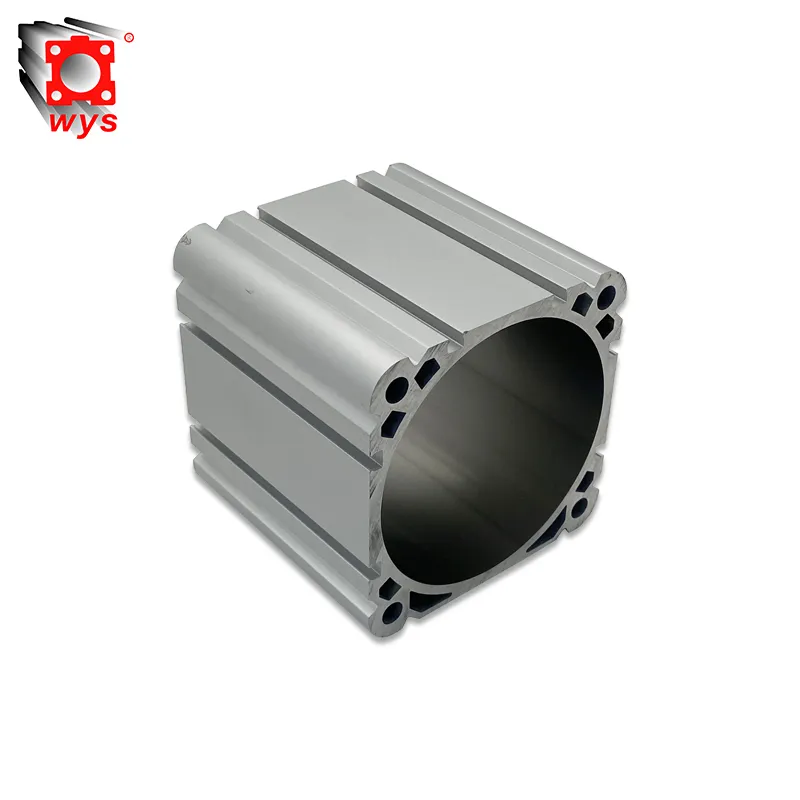
Why do pneumatic cylinder barrel failures rarely result in a "single-cause" failure?
In practical engineering, pneumatic cylinder barrel failures are almost never caused by a single factor.
The typical failure path is:
1. Environmental or air quality issues introduce contamination.
2. Contaminants damage the inner wall of the pneumatic cylinder barrel.
3. Damage to the inner wall accelerates seal wear.
4. Seal failure allows more contaminants to enter.
5. Overall performance rapidly declines.
This cumulative effect of multiple factors makes pneumatic cylinder barrel failures somewhat sudden and irreversible.
How to understand the essence of pneumatic cylinder tube failure from a systems perspective?
From a systems engineering perspective, the pneumatic cylinder tube is essentially the "ultimate bearer" of compressed air quality, environmental conditions, and maintenance levels. Any upstream problem will ultimately manifest itself within the pneumatic cylinder tube.
Therefore, pneumatic cylinder tube failure does not necessarily indicate a design flaw, but is often due to:
• Operating conditions exceeding its applicable range
• Maintenance strategies failing to match actual operating conditions
• Inadequate contamination control
Why do pneumatic cylinder barrels fail?
Ultimately, pneumatic cylinder barrel failure stems from the continuous degradation of its internal seals and operating environment. Under improper maintenance, repeated use, and harsh environmental conditions, pneumatic cylinder barrels are highly susceptible to clogging by contaminants.
Once contaminants such as solids, water, and oil enter the pneumatic system, they can cause a series of problems, including rust, wear, and seal failure, ultimately leading to sudden or accelerated failure of the pneumatic cylinder barrel.
How does Weiyingjia ensure product quality?
At Weiyingjia, quality is our top priority. Each aluminum cylinder undergoes multiple processes including cold drawing, grinding, aging, polishing, sandblasting, CNC machining, and hard anodizing. We employ over 100 professional technicians, five inspection teams, and ten advanced testing machines to guarantee that every product meets stringent standards.