

In mechanical equipment and automation systems, the importance of seals is often underestimated. Many people focus primarily on the dimensions, pressure ratings, and stroke lengths of the cylinders themselves—whether pneumatic or hydraulic—while easily overlooking a crucial fact: what truly determines the stable operation of a system is often the proper compatibility of its seals.
This issue becomes particularly pertinent during equipment maintenance, spare parts replacement, or when sourcing substitute components, leading to one of the most frequently asked questions: Are pneumatic cylinder seal kits and hydraulic cylinder seals interchangeable?
While this question may appear simple on the surface, it is, in reality, quite complex. Although both "seals" serve the fundamental purpose of preventing media leakage and maintaining pressure, pneumatic and hydraulic cylinders differ significantly in their operating environments, media properties, pressure ratings, friction conditions, temperature fluctuations, and seal structural designs. Precisely for this reason, one cannot simply assume that pneumatic and hydraulic seals are interchangeable based solely on their visual resemblance.
From an engineering perspective, the direct conclusion is this: Pneumatic cylinder seal kits and hydraulic cylinder seals are generally *not* interchangeable and cannot be directly mixed or substituted for one another. In rare instances, certain seals with similar materials and structures may *appear* to be viable substitutes; however, such instances represent merely "partial compatibility" or "temporary usability," and do not constitute true interchangeability in the proper sense.
Below, we will clarify this issue by examining it across several key dimensions: structure, materials, pressure, media, and application logic.
What Are the Fundamental Differences Between Pneumatic and Hydraulic Cylinder Seals?
Many people lump them all together under the general term "seals"—perceiving them merely as rubber O-rings, U-cups, or composite seals—and, noting their visual similarity, assume they are interchangeable. However, from the standpoint of actual functionality, the operating environments for pneumatic and hydraulic cylinder seals are fundamentally different.
Pneumatic cylinders utilize compressed air, whereas hydraulic cylinders utilize hydraulic fluid (oil).
Air and hydraulic fluid differ significantly in their physical properties: air is compressible, whereas hydraulic fluid is virtually incompressible; air possesses low viscosity, while hydraulic fluid possesses high viscosity. Furthermore, while an air leak typically impacts thrust force and cycle timing, a hydraulic fluid leak results in pressure loss, environmental contamination, and a significantly higher risk of severe system failure. Consequently, pneumatic cylinder seal kits are primarily designed to meet requirements for low friction, minimal resistance, and rapid response; hydraulic cylinder seals, conversely, are geared toward satisfying demands for high pressure resistance, oil compatibility, and highly reliable sealing. Although the ultimate objective for both is "sealing," the operational conditions required to achieve this goal are fundamentally different.
Why can't pneumatic cylinder seal kits simply be used as substitutes for hydraulic cylinder seals?
When repairing pneumatic or hydraulic cylinders, the most common mistake people make is assuming that "if the dimensions match, it will work." However, seals are not like screws; you cannot simply swap them out directly just because the outer diameter, inner diameter, and groove width appear to be roughly the same.
Pneumatic cylinder seal kits are typically designed specifically around the unique characteristics of pneumatic systems.
The operating pressure in pneumatic systems is generally lower than that in hydraulic systems, but the actuation frequency is often higher. Furthermore, pneumatic systems are more sensitive to frictional resistance and place higher demands on low-pressure starting capability and return stroke sensitivity. Therefore, in terms of structural design, pneumatic cylinder seal kits tend to prioritize low friction and rapid dynamic response.
Hydraulic cylinder seals, on the other hand, must contend with significantly higher pressures and more rigorous pressure-resistance requirements. Because internal pressures within hydraulic cylinders are high—and the seals are exposed to prolonged immersion in hydraulic fluid—the seals must possess superior resistance to extrusion, excellent oil compatibility, and exceptional dimensional stability. In other words, hydraulic cylinder seals must not merely be capable of "holding the seal," but also capable of "withstanding the strain."
If a pneumatic cylinder seal kit is installed directly into a hydraulic cylinder, potential issues may arise, including:
The seals may be extruded or deformed under high pressure, suffer from premature wear, exhibit increased leakage, or even cause the hydraulic cylinder to malfunction completely. Conversely, using hydraulic cylinder seals in a pneumatic cylinder—while sometimes technically possible—will likely result in sluggish operation, slow response times, seal overheating, and a reduced service life due to excessive friction.
Therefore, when selecting between pneumatic and hydraulic cylinder seals, one must look beyond the simple question of "can it be installed?" and instead focus on the critical question: "will it function reliably and stably over the long term once installed?"
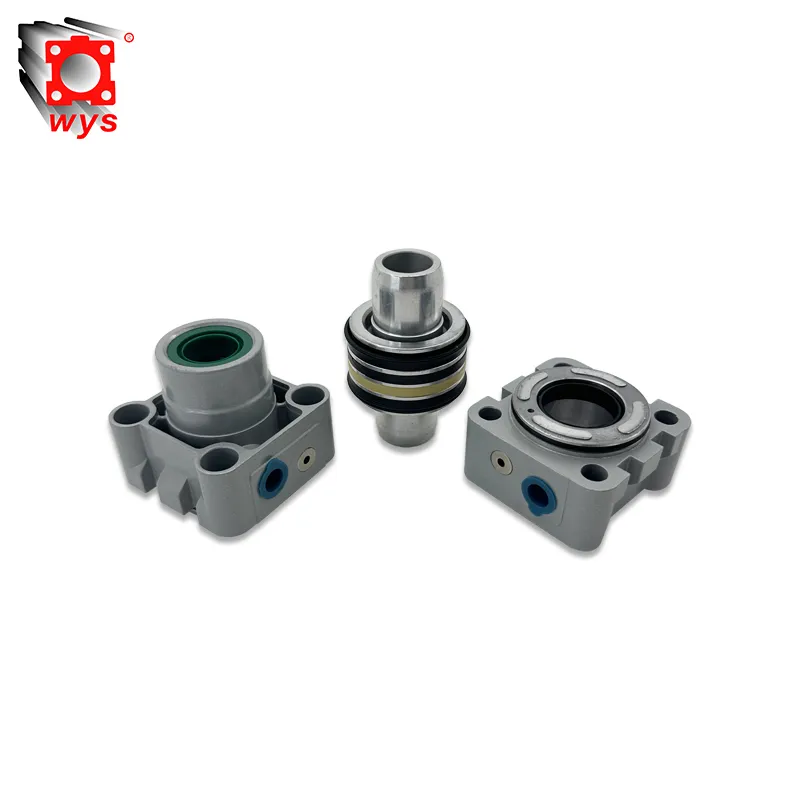
What are the material differences between pneumatic and hydraulic cylinder seal kits?
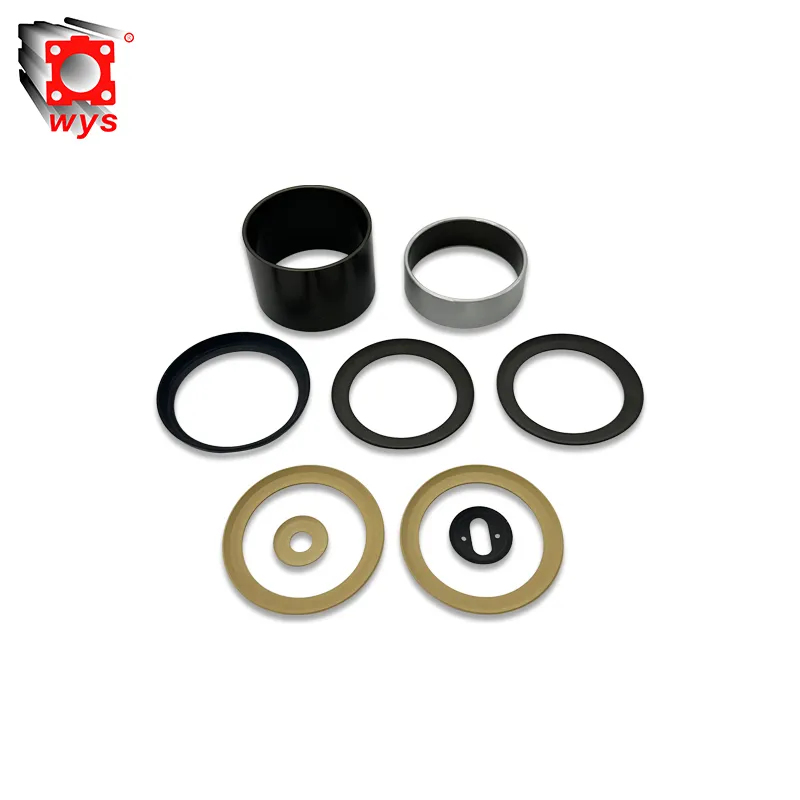
Material composition is a crucial factor in determining whether seals are interchangeable. Seals are not merely simple rubber rings; the performance characteristics of seals made from different materials can vary dramatically. The materials commonly found in pneumatic cylinder seal kits typically favor those best suited for pneumatic environments—such as polyurethane, nitrile rubber, and PTFE composites. The shared characteristics of these materials include a relatively low coefficient of friction, sensitive responsiveness, suitability for high-speed reciprocating motion, and stable performance within an air medium. Since pneumatic systems operate at relatively lower pressures, the seals within them prioritize dynamic performance.
In contrast, hydraulic cylinder seals—beyond the common nitrile rubber and polyurethane—make greater use of composite materials optimized specifically for hydraulic operating conditions. Examples include highly wear-resistant reinforced polyurethane, fluorocarbon rubber (FKM), PTFE-back-up ring assemblies, and combination seals featuring enhanced anti-extrusion designs. Seals in hydraulic systems must withstand significantly higher pressures and prolonged immersion in hydraulic fluid; consequently, their material formulations place a greater emphasis on oil resistance, pressure resistance, anti-extrusion capabilities, and resistance to aging.
In other words, the rationale behind material selection for pneumatic cylinder seal kits is to facilitate lighter, more agile cylinder movement; conversely, the rationale for hydraulic cylinder seals is to ensure the cylinder operates with greater stability and longevity under high-pressure conditions. Given these distinct design objectives, the materials used for the two applications are naturally not fully interchangeable.
Are the structural designs of pneumatic and hydraulic cylinder seals identical?
Many people focus solely on the materials, but in reality, structural design is equally critical. Whether or not seals are interchangeable depends not merely on the material composition, but also on factors such as the lip profile, pre-load force, support structure, guiding mechanism, and anti-extrusion design.
Pneumatic cylinder seal kits typically feature structural designs that prioritize low friction and rapid actuation. Because air is highly compressible, the movement of a pneumatic cylinder is extremely sensitive to friction. If the contact pressure exerted by the seal is excessive, the cylinder may suffer from issues such as difficult startup, sluggish movement, and increased energy consumption. Therefore, pneumatic cylinder seal kits are typically designed to minimize frictional resistance as much as possible, while still ensuring effective sealing.
Hydraulic cylinder seals, on the other hand, focus primarily on pressure resistance and anti-extrusion capabilities. In high-pressure hydraulic systems, if a seal lacks adequate structural support, the intense fluid pressure can easily force—or "extrude"—the seal material into the clearance gaps, resulting in seal damage. Consequently, hydraulic cylinder seals often incorporate more robust support rings, anti-extrusion rings, and thicker lip structures to withstand these demanding conditions. This implies that even if a pneumatic cylinder seal kit and a hydraulic cylinder seal share identical external dimensions, their internal structures and load-bearing mechanisms may differ completely. Since their structural designs vary, their performance under actual operating conditions will naturally differ as well.
Why does operating pressure directly determine whether pneumatic cylinder seal kits are interchangeable?
Pressure is one of the core factors distinguishing whether pneumatic cylinder seal kits and hydraulic cylinder seals can be used interchangeably.
The pressure in pneumatic systems is typically relatively low; common operating pressures generally range from a few bar to around a dozen bar. A pneumatic cylinder seal kit simply needs to maintain a stable seal within this specific pressure range. Hydraulic systems, however, operate at significantly higher pressures—ranging from tens to hundreds of bar is common, and in certain applications, pressures can be even higher. Such high-pressure conditions impose extremely rigorous demands on the seal's structural integrity, material toughness, and resistance to extrusion.
If a pneumatic cylinder seal kit—originally designed for a low-pressure air environment—is installed in a high-pressure hydraulic cylinder, it may appear to seal effectively for a short period. However, due to the excessive pressure, it will quickly suffer from deformation, lip inversion, accelerated wear, or extrusion out of its housing groove. Conversely, while hydraulic cylinder seals possess greater pressure resistance, they may not deliver optimal low-friction performance when used in a pneumatic cylinder, as high-pressure seal structures are often designed with tighter contact and inherently generate greater resistance.
Therefore, pressure is a parameter that cannot be overlooked. Whether seals are interchangeable depends not merely on their physical dimensions, but on their capacity to withstand the specific pressure dynamics of the corresponding system.
What are the differences in friction characteristics between pneumatic and hydraulic cylinder seals?
The requirements regarding seal friction characteristics differ markedly between pneumatic and hydraulic cylinders. This explains why many users experience a decline in equipment performance after installing replacement seals that—on the surface—appear to be "nearly identical."
Pneumatic equipment demands lower frictional resistance, as the driving characteristics of air make the system highly sensitive to factors such as start-up pressure and actuation speed. If the friction generated by a pneumatic cylinder seal is excessive, the cylinder may exhibit issues such as "stick-slip" (crawling), jerky movement, or delayed response. These adverse effects are particularly pronounced in low-pressure operating environments.
Although hydraulic cylinders also require smooth, steady motion, the hydraulic system itself possesses inherently greater driving force. Consequently, the impact of seal friction on a hydraulic system is relatively less "sensitive" compared to that of a pneumatic system. However, hydraulic cylinder seals must withstand significantly greater compressive forces in high-pressure environments; consequently, unlike pneumatic cylinder seal kits, they typically cannot prioritize extremely low contact forces.
This creates a fundamental conflict:
Pneumatic cylinder seal kits prioritize low friction, whereas hydraulic cylinder seals prioritize high-pressure sealing integrity. Since their optimization objectives differ, their interchangeability is naturally limited.
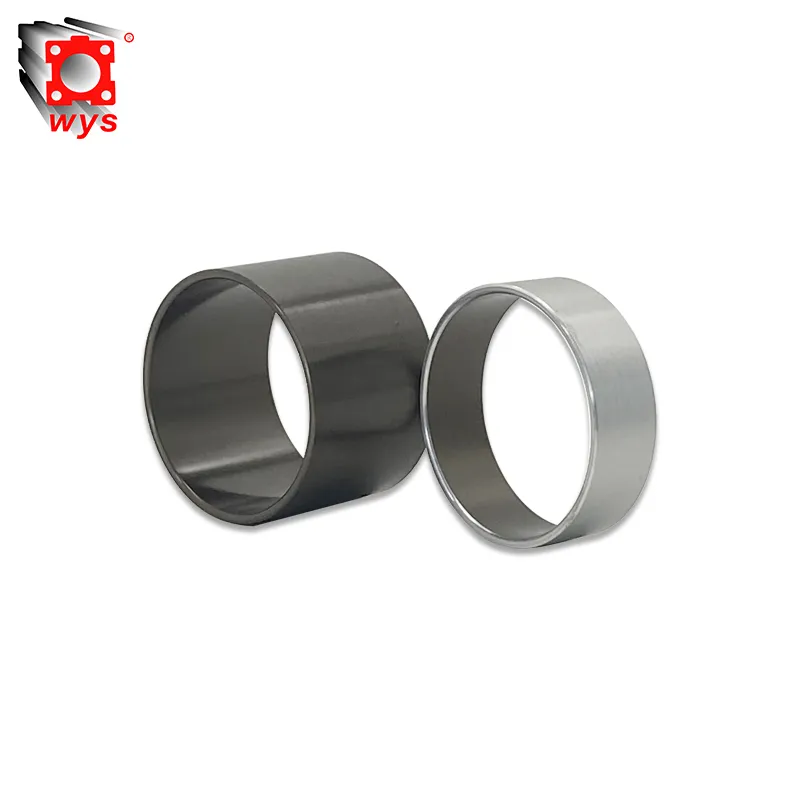
How do the service life characteristics of pneumatic and hydraulic cylinder seals differ?
Service life is not simply a matter of "how long a component has been in use," but rather whether it can maintain stable performance over the long term under specific operating conditions. There are significant differences in the service life performance of pneumatic and hydraulic cylinder seals.
Pneumatic cylinder seals typically operate under lower pressures but at higher frequencies, making the seals more susceptible to the effects of reciprocating friction. If the material is selected appropriately, a pneumatic seal kit can function stably for extended periods; however, if friction is excessive or installation is improper, the seals may quickly exhibit wear, hardening, or edge damage.
Hydraulic cylinder seals, conversely, are primarily subjected to high pressures and the continuous influence of hydraulic fluid environments. While they may not necessarily undergo the same "high-frequency motion" as pneumatic seals, they face greater challenges regarding aging caused by pressure surges and prolonged immersion in hydraulic fluid.
Therefore, from a service life perspective, pneumatic and hydraulic cylinder seals exhibit distinct failure modes; they cannot simply be interchanged with the expectation of achieving the same service life.
Are there rare instances where pneumatic and hydraulic cylinder seals can be used interchangeably on a temporary basis?
Theoretically, situations may indeed arise where seals "appear to be temporarily usable," but this does not constitute true interchangeability.
For instance, in scenarios where dimensions are identical, materials are similar, and pressure and operating frequency requirements are low, individual seals might physically fit and function—albeit barely—for a limited time. However, merely being "usable" does not equate to being "suitable." Even a slight deviation in the operating environment, fluid medium, pressure, speed, or temperature can trigger immediate performance issues.
From an engineering standpoint, the critical distinctions to recognize are:
Temporarily usable does not mean suitable for long-term use.
Similar dimensions do not guarantee identical performance.
Physical fit does not guarantee reliable operation.
Consequently, even if certain pneumatic and hydraulic cylinder seals appear marginally interchangeable under specific, low-demand conditions, their use as a standard solution is strongly discouraged.
Which specific parameters should one prioritize when selecting seals?
Whether you are selecting components, performing maintenance, or undertaking a replacement, your primary focus should not be on whether the parts merely "look alike," but rather on whether the following key parameters are consistent.
First, consider the operating medium. Is it compressed air or hydraulic oil?
This factor dictates the fundamental direction regarding material selection and structural design. Next, examine the pressure rating to ensure the seals can withstand the actual operating pressure of the system. Then, consider the speed and actuation frequency; pneumatic seal kits are typically better suited for high-frequency, low-pressure applications, whereas hydraulic seals are better suited for high-pressure, steady-state conditions. Finally, evaluate dimensions, groove geometry, installation space, temperature range, and friction requirements.
In other words, selecting the appropriate pneumatic seal kit is a complex engineering task—it is not a problem that can be solved simply by "finding a ring that looks roughly right and installing it."
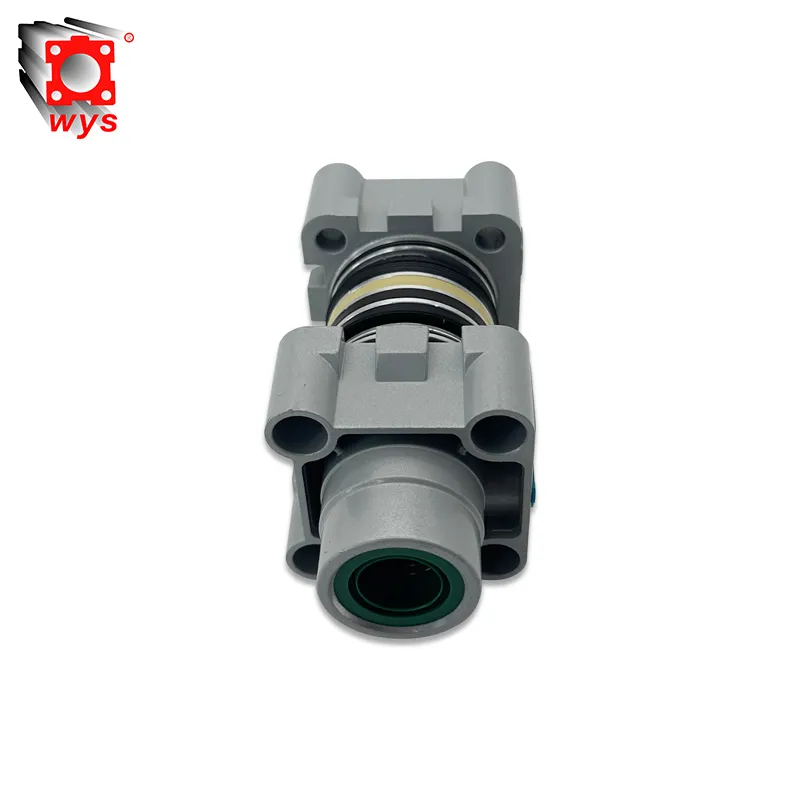
So, how exactly do you determine whether pneumatic seal kits and hydraulic seals are interchangeable?
The logic behind this assessment is actually quite simple: first check the medium, then the pressure, followed by the material, and finally, the structure.
If the system is pneumatic, prioritize the use of seals specifically designed for pneumatic cylinders; if the system is hydraulic, prioritize seals specifically designed for hydraulic cylinders. Only in extremely rare instances—involving low pressure, low frequency, short-duration operation, and non-critical applications—might a temporary substitution be considered; even then, the associated risks must be thoroughly assessed, and such substitutions should never be adopted as a standard solution.
The safest approach is always this:
Pair pneumatic cylinders with pneumatic seal kits, and hydraulic cylinders with hydraulic seals. This combination aligns most closely with sound engineering principles.