

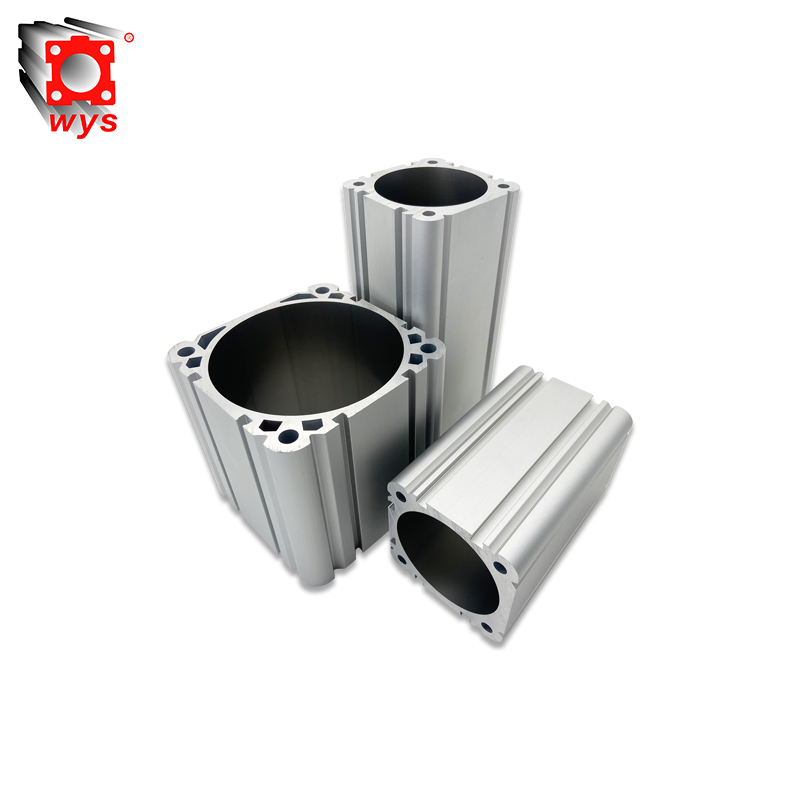
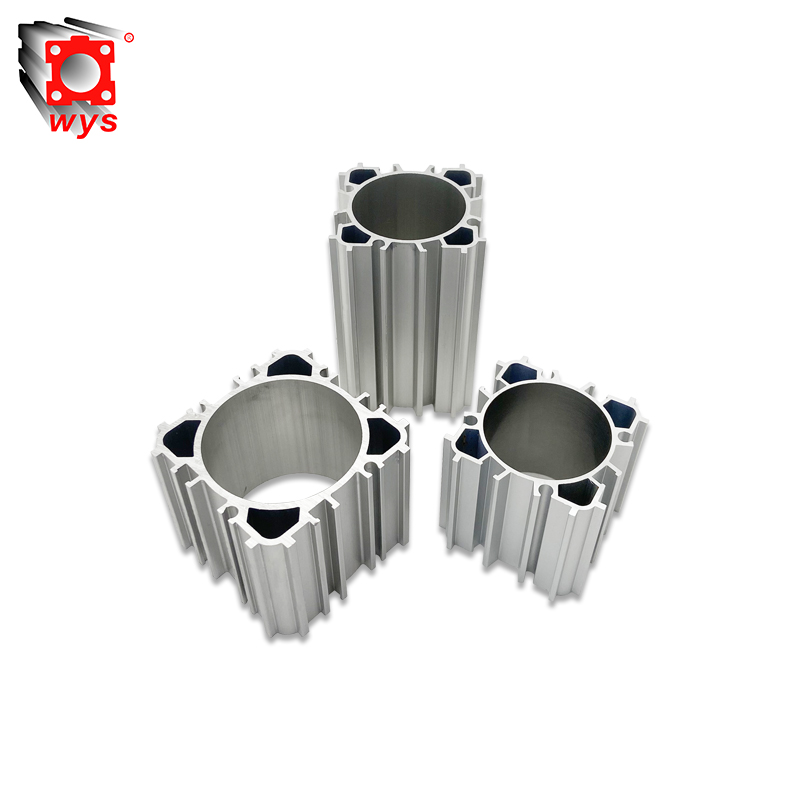
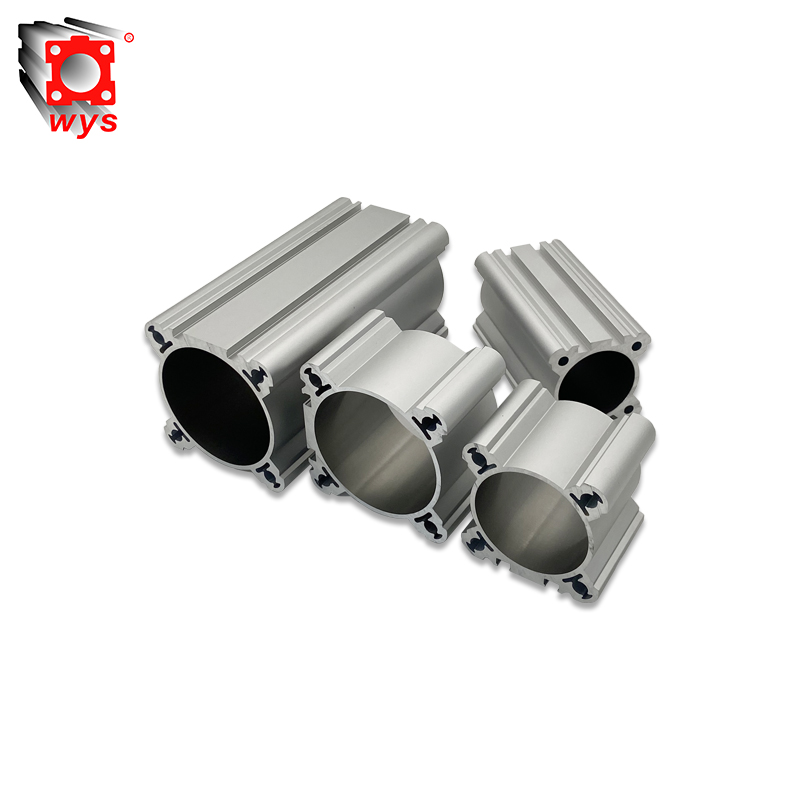
In pneumatic systems, the cylinder serves as a vital actuator for generating linear motion, while the sealing system stands as one of the core structural components ensuring the cylinder's operational efficiency and stability. Specifically, the pneumatic cylinder seal—or sealing ring—is a critical component for maintaining internal cylinder pressure and minimizing air leakage.
During routine maintenance and overhaul procedures, equipment technicians frequently raise a key question: If a pneumatic cylinder lacks its internal seals, is it inevitable that air leakage will occur?
From the perspective of structural design and operating principles, a pneumatic cylinder devoid of seals is almost certain to experience air leakage issues. Pneumatic systems rely on compressed air as their power source; the primary function of the sealing structure is to ensure that this compressed air generates a stable pressure differential within the cylinder, thereby driving the piston's movement.
In the absence of seals, the compressed air cannot be effectively contained within the cylinder's working chamber. This leads to pressure loss, diminished operational efficiency, and—in severe cases—the complete failure of the equipment to function properly.
This article will provide a systematic analysis of this issue. By examining the cylinder's structural principles, the role of the sealing system, the mechanisms behind air leakage, and key maintenance considerations, we will comprehensively elucidate the critical role that air cylinder seals play within a pneumatic system.
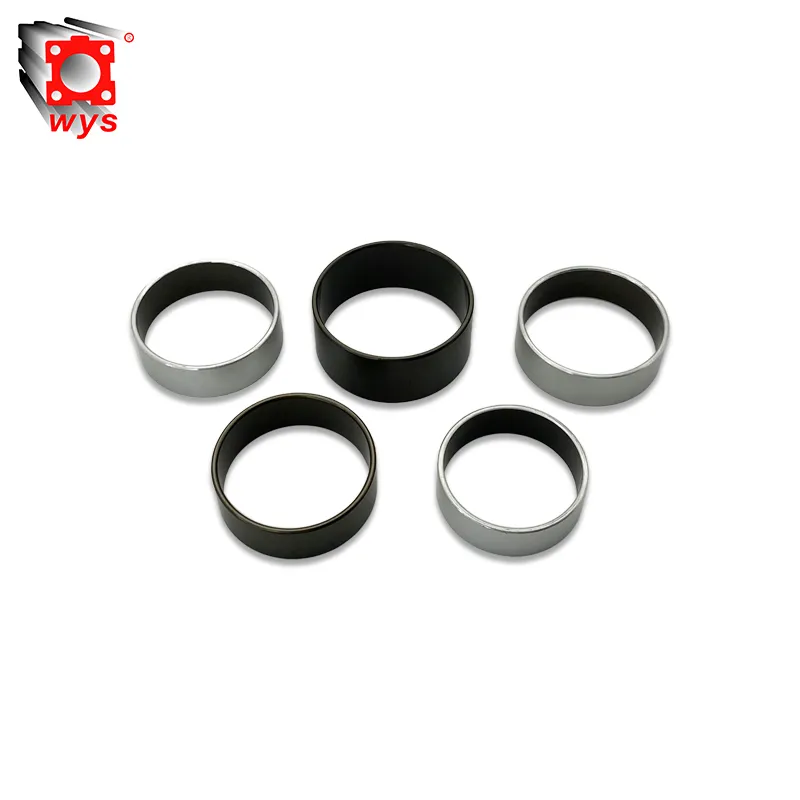
Basic Structure and Operating Principles of a Pneumatic Cylinder
Before appreciating the importance of pneumatic cylinder seals, it is essential to first understand the basic structure of a pneumatic cylinder. Typically, a standard pneumatic cylinder consists of the following major components:
•Cylinder Barrel
•Piston
•Piston Rod
•Front and Rear End Caps
•Guiding Mechanism
•Sealing System (including the cylinder seals)
The operating principle of a pneumatic cylinder involves introducing compressed air into the cylinder chamber to create a pressure differential across the piston, thereby driving the piston and piston rod to execute linear motion. When compressed air enters one side of the cylinder barrel, the piston moves under the force of the pressure, while the air on the opposing side is simultaneously exhausted.
In this process, the role of the pneumatic cylinder seals is absolutely critical. These seals prevent air from leaking through the clearance between the piston and the cylinder barrel, thereby maintaining stable air pressure. Without these seals, the compressed air would rapidly leak through the gaps, rendering the cylinder incapable of generating sufficient driving force.
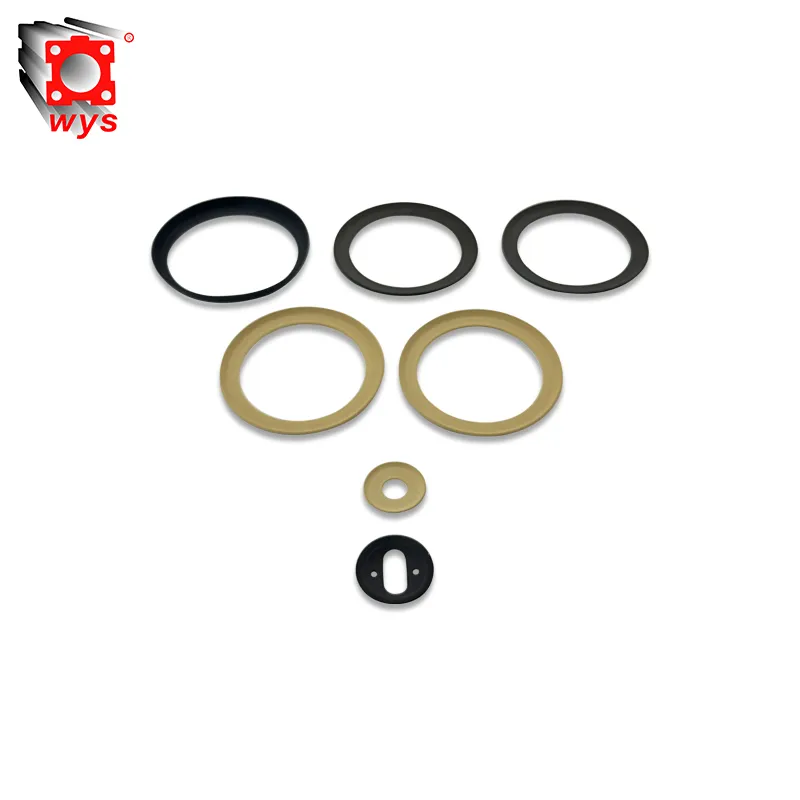
Why Does a Pneumatic Cylinder Leak Without Seals?
From a structural design perspective, multiple gaps exist within a pneumatic cylinder; for instance:
•The clearance fit between the piston and the cylinder barrel
•The guiding clearance between the piston rod and the end cap
•The sealing interfaces at the connections between various components
These gaps are unavoidable during mechanical assembly. Without pneumatic cylinder seals to fill these voids, compressed air would leak from these locations.
The primary functions of pneumatic cylinder seals include:
1.Preventing Gas Leakage
Pneumatic cylinder seals create a reliable sealing surface between the piston and the cylinder barrel, thereby preventing the leakage of compressed air.
2.Maintaining Stable Pressure
The sealing structure ensures that the internal pressure of the cylinder remains stable, resulting in smoother piston movement.
3.Reducing Energy Loss
If gas leakage is severe, compressed air is continuously lost, leading to a significant increase in system energy consumption.
4.Enhancing Equipment Efficiency
High-quality pneumatic cylinder seals improve the operational efficiency of the cylinder, ensuring more stable equipment performance.
Therefore, if a pneumatic cylinder lacks its seals, air leakage is almost inevitable.
What roles do pneumatic cylinder seals play within a cylinder system?
Pneumatic cylinder seals are not merely simple sealing elements; they fulfill multiple critical functions within the overall pneumatic system.
1.Ensuring Pneumatic System Integrity
The primary function of pneumatic cylinder seals is to ensure effective sealing within the pneumatic cylinder. By fitting tightly against the surfaces of the cylinder barrel and the piston, these seals effectively prevent the leakage of compressed air.
2.Enhancing Motion Stability
Seals minimize air leakage during piston movement, allowing the cylinder to maintain a consistent thrust output and thereby enhancing the motion stability of the equipment.
3.Reducing Mechanical Wear
High-quality pneumatic cylinder seals typically possess excellent wear resistance, which reduces friction between the piston and the cylinder barrel, thereby extending the service life of the equipment.
4.Preventing External Contamination
Certain pneumatic cylinder seals also feature dust-proofing capabilities, preventing dust or impurities from entering the interior of the cylinder and safeguarding the internal structure from contamination.
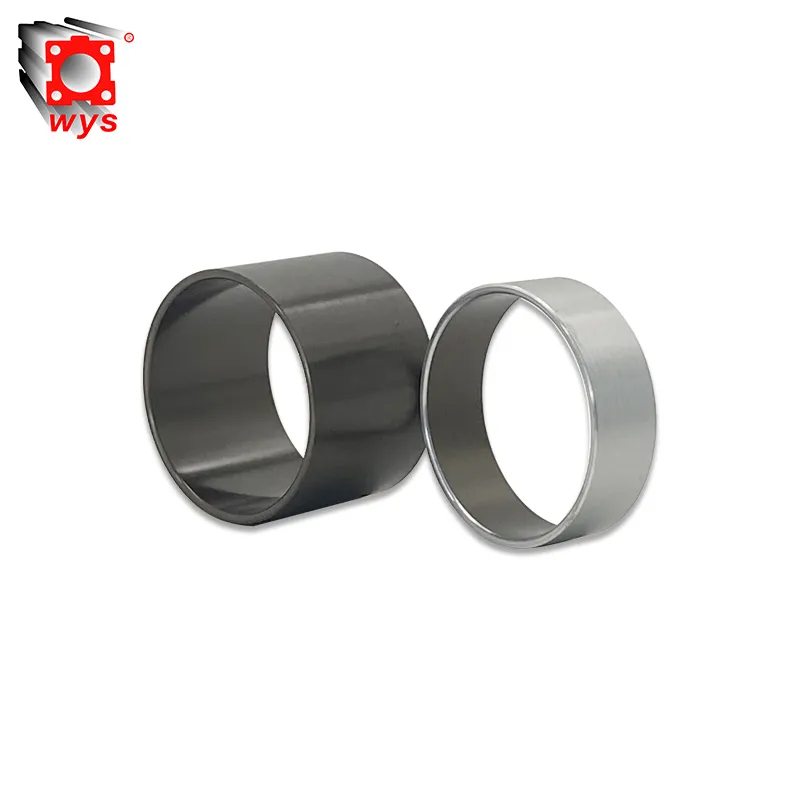
What obvious problems arise when air cylinder seals are missing?
When a pneumatic cylinder is not equipped with internal seals, it typically exhibits various anomalies during operation.
1. Significant Reduction in Cylinder Thrust
Pneumatic cylinders generate thrust by relying on a pressure differential. Without seals, gas will leak rapidly, preventing the necessary pressure from building up.
2. Unstable Cylinder Movement Speed
Due to air leakage, internal pressure within the cylinder fluctuates significantly, resulting in an unstable piston movement speed.
3. Increased Compressed Air Consumption
A cylinder without seals will continuously leak air; consequently, the air compressor must constantly replenish the air supply, thereby increasing the system's energy consumption.
4. Significant Increase in Noise
Air leakage is often accompanied by distinct airflow noise, which serves as a key indicator of potential issues with the air cylinder seals.
Can Pneumatic Cylinder Seals Be Replaced by Other Structural Elements?
Some equipment maintenance personnel may assume that as long as the machining precision between the cylinder barrel and the piston is sufficiently high, the need for seals can be minimized or even eliminated. However, in practical design applications, this approach is almost entirely unfeasible.
The primary reasons include the following points:
1. Manufacturing Tolerance Limitations
Even with highly precise machining of the cylinder barrel, mechanical clearances cannot be completely eliminated. Without seals, air will still leak through these gaps.
2. Effects of Thermal Expansion
During operation, pneumatic cylinders are subject to temperature fluctuations; the materials may undergo slight expansion or contraction, which alters the clearance between mating parts.
3. Wear from Movement
Over time, wear inevitably occurs between the piston and the cylinder barrel. Without seals, the leakage problem would become significantly more severe.
Therefore, air cylinder seals are indispensable and critical sealing components.
How to Determine if Pneumatic Cylinder Seals Have Failed?
During equipment maintenance, the condition of the pneumatic cylinder seals can be assessed using the following methods:
1. Listen for Air Leakage Sounds
If a distinct hissing or leaking sound is audible while the pneumatic cylinder is in operation, it typically indicates that the seals have lost their sealing integrity.
2. Inspect the Cylinder's Movement Status
If the cylinder's movement becomes sluggish or its thrust output is insufficient, this may also be a symptom of worn-out seals.
3. System Pressure Monitoring
By utilizing pressure monitoring equipment, it is possible to detect whether pressure loss is occurring within the pneumatic system, thereby indirectly determining if the pneumatic cylinder seals have failed.
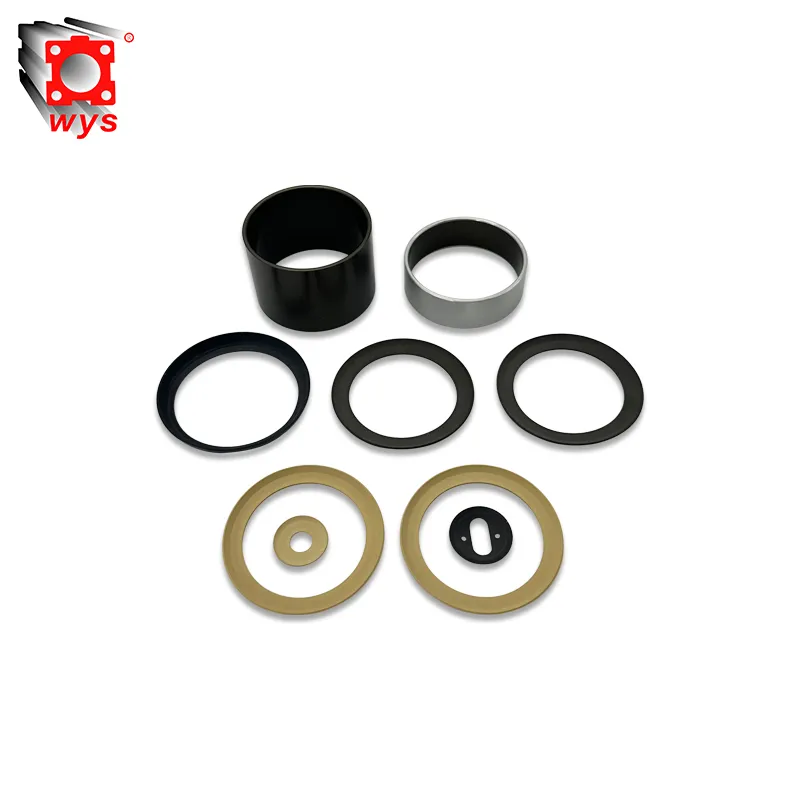
How to Properly Install Pneumatic Cylinder Seals?
Correct installation of air cylinder seals is crucial for ensuring effective sealing performance. During the installation process, attention must be paid to the following aspects:
1.Keep the seal surfaces clean.
2.Avoid scratching the sealing structure.
3.Ensure the installation orientation is correct.
4.Use an appropriate lubricant.
If installed improperly—even if the seals are of high quality—they may fail to perform their intended sealing function effectively.
Do Air Cylinder Seals Require Regular Replacement?
Air cylinder seals are classified as typical wear parts. Over the course of long-term operation, these seals may be subjected to the following factors:
•Friction and wear
•Temperature fluctuations
•Pressure surges
•Material aging
Therefore, during equipment maintenance, the condition of the air cylinder seals should be inspected regularly. If a decline in sealing performance is detected, the seals should be replaced promptly to prevent more serious equipment malfunctions.