

In the operation of a pneumatic system, compressed air is used as the power medium to drive the cylinder movement. However, many equipment maintenance personnel often find moisture in the pipelines or equipment during routine inspections of pneumatic systems. This leads to a common question:
Will water damage my pneumatic cylinder assembly?
The answer is: Yes, moisture can indeed damage pneumatic cylinder assemblies.
In a pneumatic system, the pneumatic cylinder assembly plays a crucial role, including functions such as sealing, guiding, and motion control. Excessive moisture in the system can lead to corrosion, accelerated wear, or decreased sealing performance of the pneumatic cylinder assembly. In the long run, these problems not only affect the service life of the pneumatic cylinder assembly but may also lead to a decline in the overall performance of the pneumatic equipment.
This article will systematically analyze the impact of moisture on pneumatic cylinder assemblies from multiple aspects, including the principles of pneumatic systems, sources of moisture, damage mechanisms, and preventive measures, to help readers fully understand the impact of moisture on pneumatic cylinder assemblies.
What is the role of the pneumatic cylinder assembly in a pneumatic system?
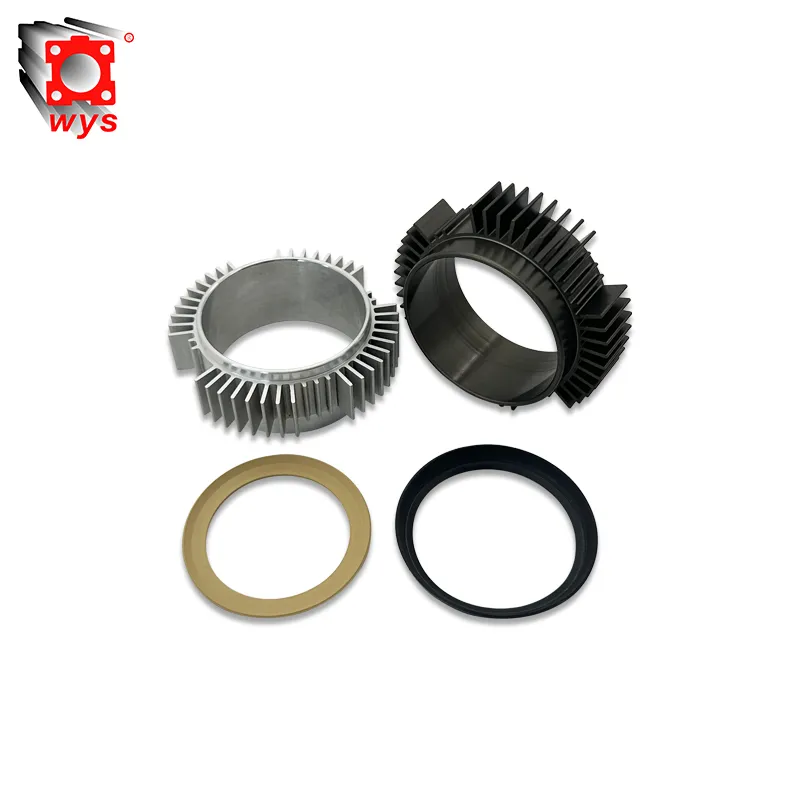
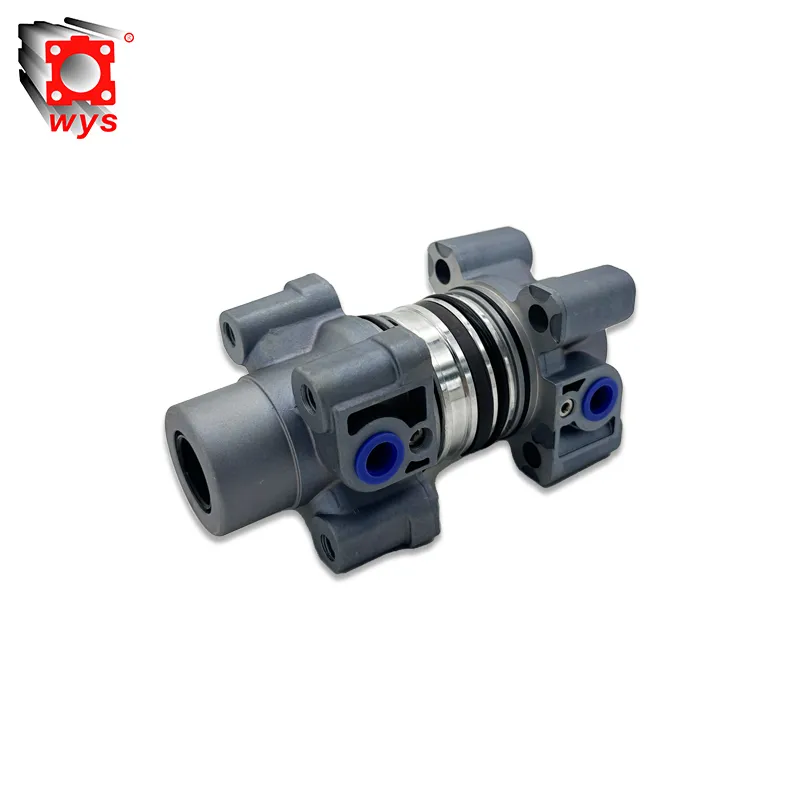
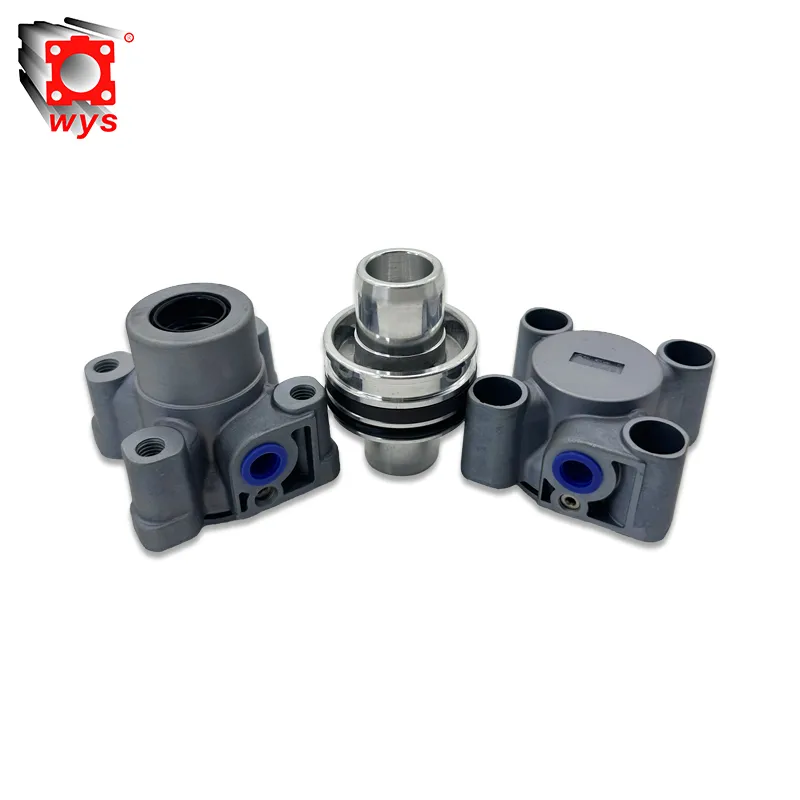
A pneumatic cylinder assembly typically includes the following components:
• Piston seal
• Piston rod seal
• Dust seal
• Guide ring
• Buffer seal structure
These components together form the pneumatic cylinder assembly system, whose main functions include:
• Maintaining the airtightness of the cylinder
• Guiding stable piston movement
• Reducing friction and wear
• Preventing external contaminants from entering
If the performance of the pneumatic cylinder assembly deteriorates, the cylinder may experience:
• Gas leakage
• Unstable operation
• Insufficient thrust
Therefore, the condition of the pneumatic cylinder assembly directly affects the reliability of the pneumatic system.
How does water enter a pneumatic system?
Many people believe that pneumatic systems only use air, so there is no moisture problem. However, compressed air often contains a certain amount of moisture.
Moisture enters the pneumatic system mainly from the following sources:
1. Air humidity
Air compressors draw in ambient air, which itself contains water vapor. When the air is compressed, the water vapor concentration increases.
2. Condensation Formation
When compressed air is cooled in the pipeline, water vapor may condense into liquid water. If this condensate is not drained promptly, it can enter the pneumatic equipment.
3. Inadequate Air Source Treatment
If the filters or dryers in the pneumatic system are not properly maintained, moisture can directly enter the cylinder housing the pneumatic cylinder kit.
What Happens When Water Enters the Pneumatic Cylinder Kit?
When moisture enters the pneumatic system and comes into contact with the pneumatic cylinder kit, several adverse effects can occur.
1. Corrosion of Metal Components
The interior of the cylinder is typically made of metal. When moisture is present for extended periods, corrosion can occur.
Corrosion leads to:
• Increased roughness of the cylinder inner wall
• Increased piston movement resistance
• Accelerated wear of the pneumatic cylinder kit
When the pneumatic cylinder kit comes into contact with damaged surfaces, its lifespan can be significantly shortened.
2. Deterioration of Sealing Material Performance
The seals in the pneumatic cylinder kit are typically made of rubber or polyurethane. These materials may undergo performance changes when exposed to moisture for extended periods.
Potential problems include:
• Sealing material expansion
• Seal hardening
• Reduced elasticity
These changes reduce the sealing performance of the pneumatic cylinder kit.
3. Decreased lubrication
Pneumatic systems typically rely on certain lubrication conditions to reduce friction.
When moisture enters the system, it can dilute or wash away the lubricating oil, affecting the lubrication of the pneumatic cylinder kit.
Insufficient lubrication can cause:
• Increased friction
• Increased temperature
• Accelerated seal wear
Can water cause pneumatic cylinder assembly seal failure?
Moisture can indeed cause pneumatic cylinder assembly seal failure.
When seals are exposed to a moisture environment for extended periods, their material properties may change. For example:
• Reduced elasticity
• Increased surface wear
• Seal structure deformation
When sealing performance deteriorates, gas may leak from inside the cylinder, affecting cylinder operating efficiency.
Therefore, pneumatic systems with excessive moisture are more prone to pneumatic cylinder assembly seal failure.
Does condensation accelerate pneumatic cylinder assembly wear?
Condensate is one of the most common sources of moisture in pneumatic systems.
When water vapor in compressed air condenses inside pipes or cylinders, liquid water may come into contact with the pneumatic cylinder assembly.
If the condensate contains impurities, it can form abrasive-like particles. These particles accelerate wear as they move between the pneumatic cylinder assembly and the cylinder wall.
In the long run, this wear reduces the sealing performance of the pneumatic cylinder assembly and shortens its service life.
Does moisture affect the operational stability of a pneumatic system?
Moisture not only affects the pneumatic cylinder assembly itself but can also affect the operational stability of the entire pneumatic system.
For example:
• Pneumatic valves may become sluggish.
• Corrosion may occur inside the pipes.
• Unstable compressed air flow.
These problems ultimately indirectly affect the operating conditions of the pneumatic cylinder assembly.
When the system operating environment deteriorates, the workload on the pneumatic cylinder assembly may increase, thus accelerating its aging or damage.
How to determine if a pneumatic cylinder kit is affected by moisture?
When maintaining a pneumatic system, the following phenomena can be observed to determine if the pneumatic cylinder kit is affected by moisture:
1. Check for water stains inside the cylinder
If obvious water stains are found inside the cylinder during maintenance, it indicates a potential moisture problem in the system.
2. Observe the cylinder's movement
If the cylinder movement is uneven or there is abnormal noise, it may be related to damage to the pneumatic cylinder kit.
3. Check the condition of the seals
If the seals are swollen, hardened, or cracked, it may also be a result of moisture.
How to prevent moisture damage to pneumatic cylinder assemblies?
To protect the pneumatic cylinder kit, the following measures can be taken:
1. Install an air filter
A high-quality filter can reduce moisture and impurities in the air.
2. Use an air dryer
An air dryer can reduce the moisture content in compressed air.
3. Regularly drain condensate
Installing drainage devices at the lowest points of the air tank and piping can effectively reduce moisture accumulation.
4. Regularly Inspect the Pneumatic System
Regular inspections allow for the timely detection and resolution of moisture issues.
Why must moisture be controlled in pneumatic systems?
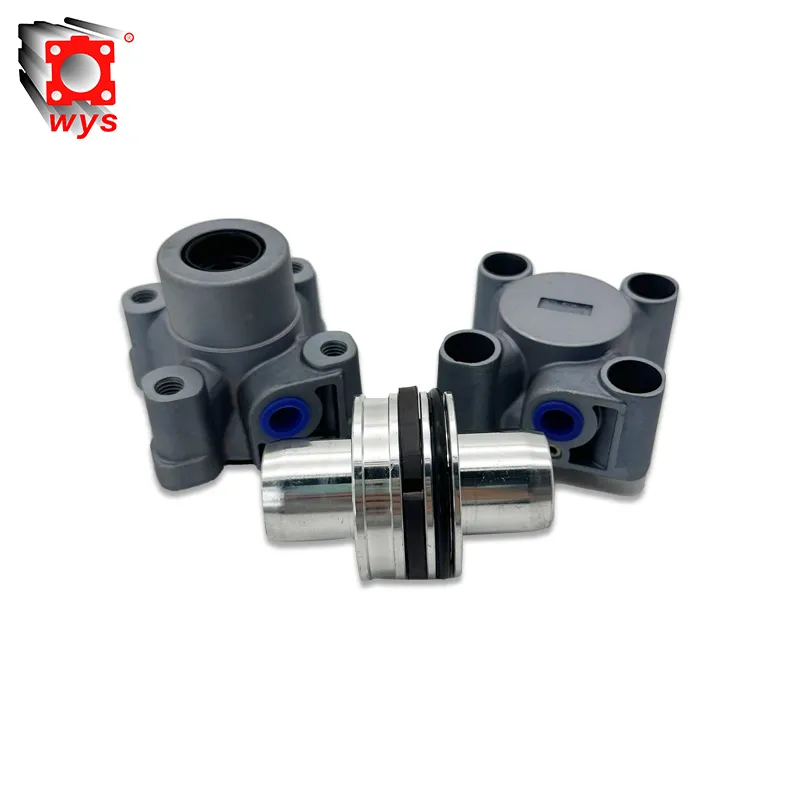
In pneumatic systems, air quality directly impacts equipment operation. Excessive moisture can damage pneumatic cylinder components and potentially affect the entire system.
Uncontrolled moisture can lead to:
• Increased wear on pneumatic cylinder components
• Decreased sealing performance
• Reduced system efficiency
Therefore, maintaining dry compressed air is a crucial aspect of pneumatic system maintenance.
How does Weiyingjia support brand manufacturers?
Weiyingjia offers high-quality aluminum alloy pneumatic components for brand manufacturers seeking a reliable supply. Our factory and technical teams ensure cylinders, kits, liners, and seals meet stringent quality standards. Buyers purchasing from Weiyingjia enjoy competitive wholesale prices, precise manufacturing, and professional support. With over 15 years of experience, Weiyingjia is recognized as a dependable manufacturer and supplier for companies seeking premium pneumatic products.