

What should be done when an aluminum alloy pneumatic cylinder barrel shows signs of wear?
In the field of modern industrial automation, pneumatic components have become indispensable parts of various types of machinery and equipment. From automated packaging systems and electronic assembly lines to automotive manufacturing, medical devices, and new energy equipment, pneumatic systems handle high-frequency operational tasks. Within these systems, the cylinder serves as the core actuating mechanism, and its stability directly impacts operational efficiency. A key component determining the cylinder's lifespan and performance quality is the aluminum pneumatic cylinder barrel.
In recent years, driven by the growing demand for lightweight equipment, aluminum alloy pneumatic cylinder tubes have become the market standard due to their low weight, corrosion resistance, and excellent machinability. Industry statistics indicate that approximately 70% to 80% of small-to-medium standard cylinders worldwide utilize aluminum alloy barrels as their primary structural component.
However, despite their many advantages, aluminum pneumatic cylinder barrels face a common issue in practical industrial applications: wear. Maintenance personnel often encounter situations where, after a period of operation, the cylinder's movement becomes sluggish, thrust decreases, and air consumption rises; issues such as air leaks, sticking, and abnormal noises may also occur. Disassembly and inspection often reveal that the root cause lies not in the seals or the piston itself, but rather in wear on the inner wall of the aluminum alloy barrel.
So, why does wear occur in aluminum alloy pneumatic cylinder barrels? What are the consequences of such wear? When faced with a worn barrel, should a company opt for repair, refurbishment, or direct replacement? This article provides a comprehensive analysis covering structural principles, causes of wear, solutions, and preventive measures.
What is an aluminum alloy pneumatic cylinder tube, and why is it so important?
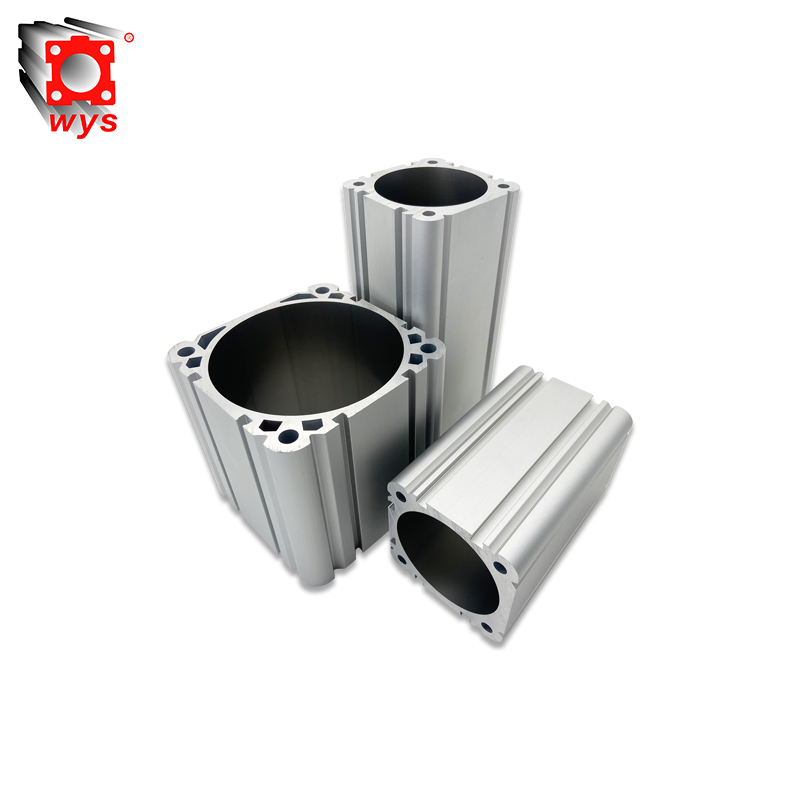
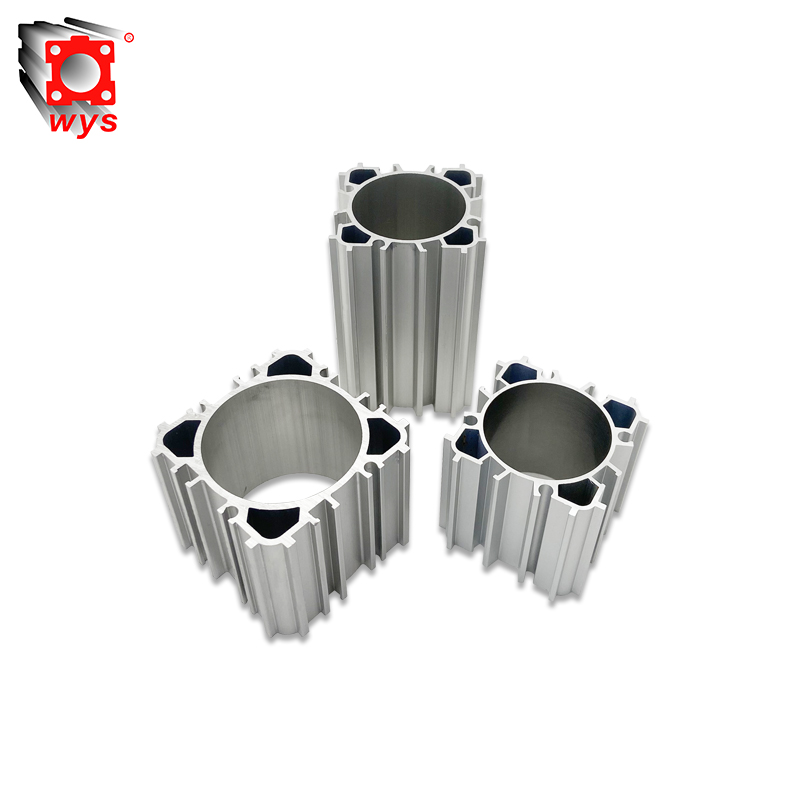
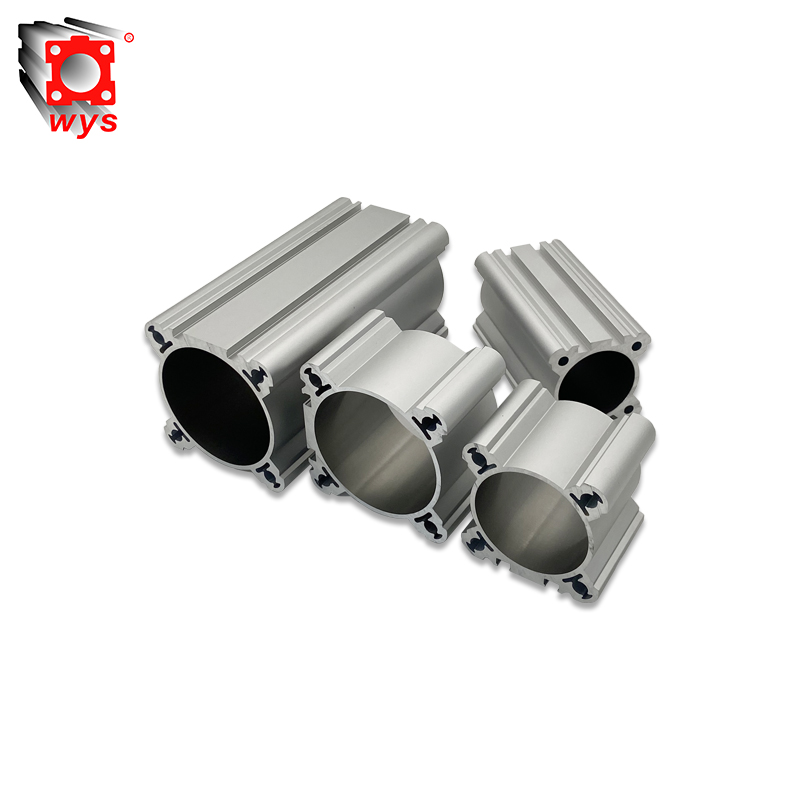
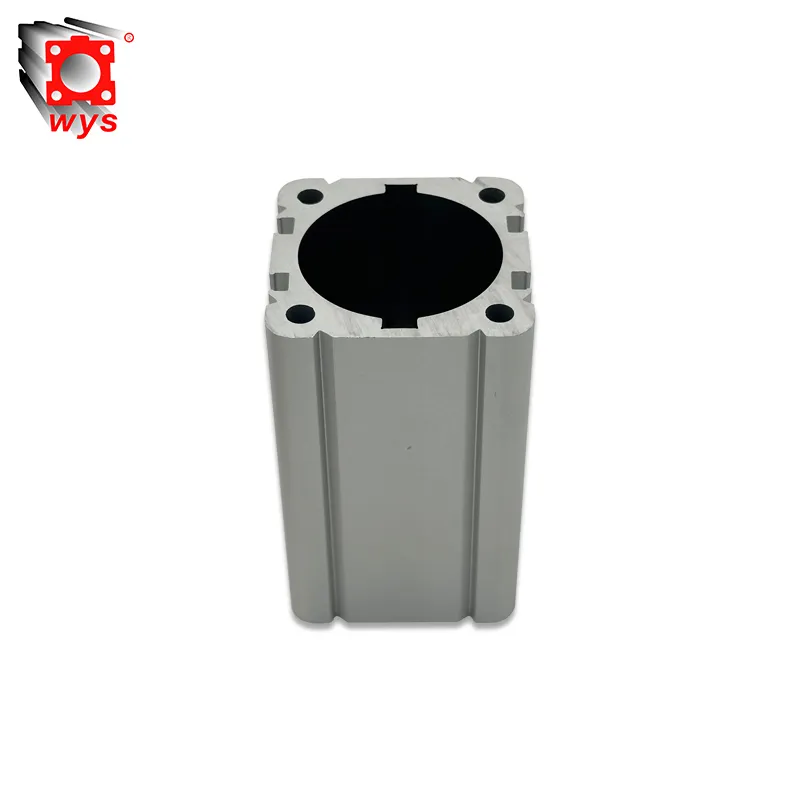
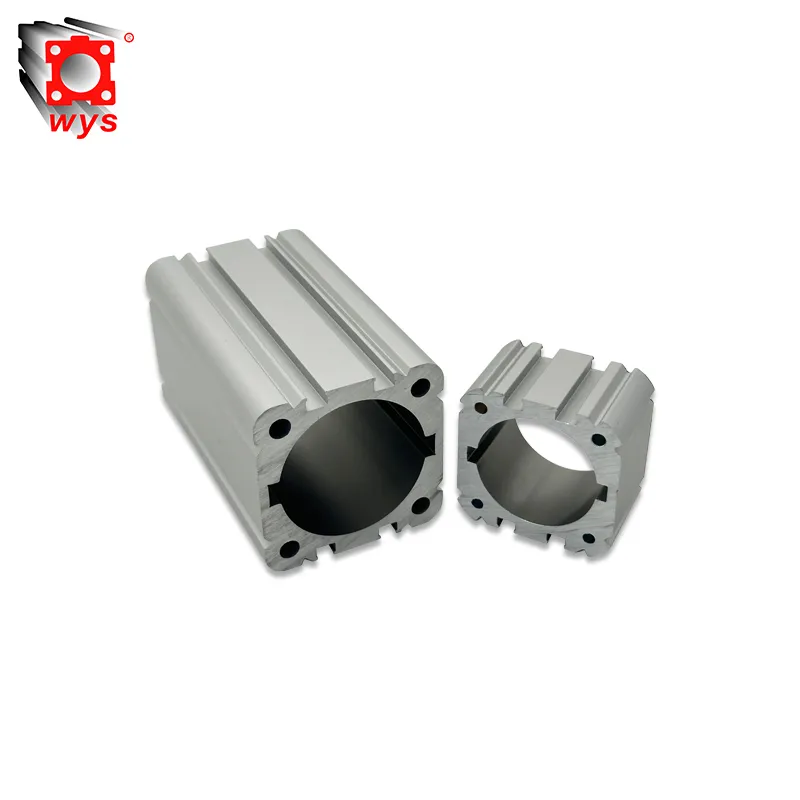
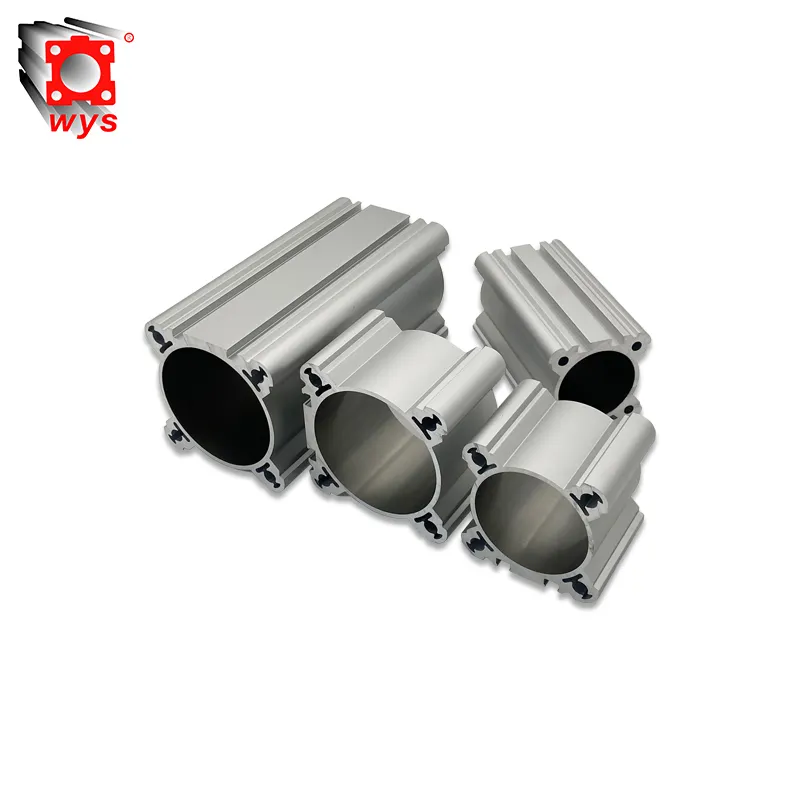
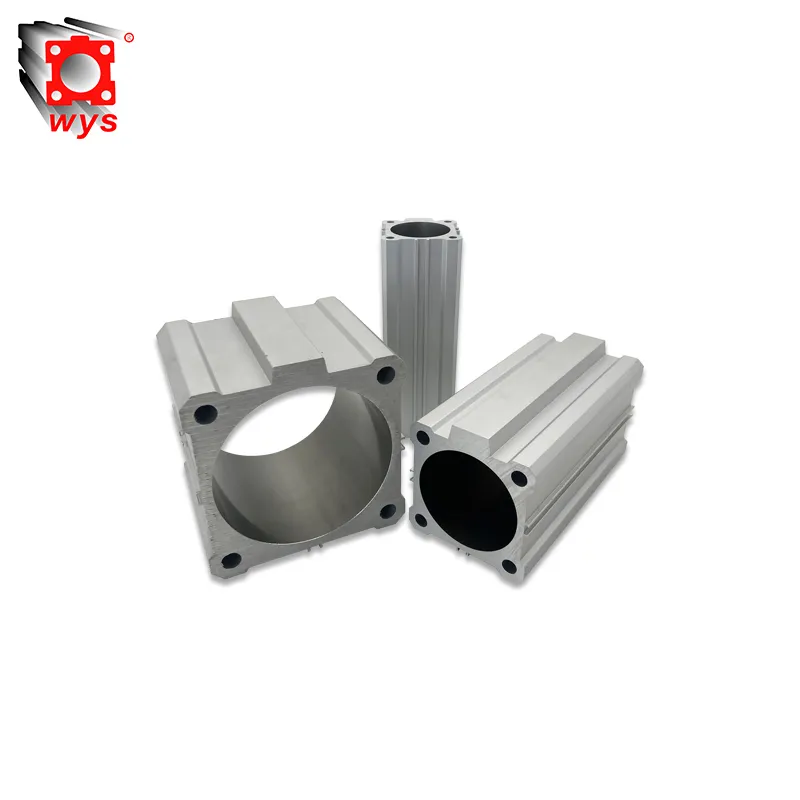
Essentially, the aluminum alloy pneumatic cylinder barrel is the core pressure-bearing component of the cylinder, serving as the housing for the piston's reciprocating motion. When compressed air enters the cylinder, it drives the piston to move within the aluminum alloy barrel, thereby actuating the piston rod to perform mechanical work. Consequently, the barrel not only withstands internal pressure loads but also provides a high-precision guiding environment for the piston. If a pneumatic cylinder is likened to an engine, the aluminum alloy cylinder barrel is equivalent to the engine block. The quality of the cylinder barrel directly determines the performance limits of the entire system. A high-quality aluminum alloy cylinder barrel typically possesses several key characteristics: first, excellent mechanical strength to withstand operating pressures of 0.4 MPa to 0.8 MPa or higher; second, high-precision internal bore dimensions to ensure smooth piston movement; and finally, superior surface treatment—such as hard anodizing—to enhance wear and corrosion resistance.
Industry research indicates that over 60% of cylinder seal failures are linked to the condition of the cylinder barrel's inner wall. In other words, when an aluminum alloy cylinder barrel wears down, the consequences go far beyond simple surface scratches; it fundamentally disrupts the internal dynamic balance of the cylinder.
Why does wear occur in aluminum alloy cylinder barrels?
Wear in aluminum alloy cylinder barrels is rarely caused by a single factor; rather, it results from the interplay of material properties, operating environments, maintenance standards, and manufacturing quality.
1. Frictional wear is the most common cause
The piston inside an aluminum alloy cylinder barrel undergoes continuous high-speed reciprocating motion, meaning the piston seal constantly contacts and rubs against the inner wall of the barrel. Even with a low coefficient of friction, the cumulative effect of long-term, high-frequency operation inevitably leads to significant wear.
For instance, if an automated machine performs 40 reciprocating cycles per minute and operates for 16 hours a day, the cylinder may complete over 14 million cycles in a single year. Under such high-frequency conditions, even a hardened aluminum alloy cylinder barrel will gradually experience surface wear.
In high-speed equipment specifically, the accumulation of frictional heat further accelerates material fatigue in the aluminum alloy barrel. Compared to steel barrels, aluminum alloy—while lighter—has lower surface hardness, making it more susceptible to the effects of continuous friction.
2. Impurity particles accelerate the rate of wear
Industrial settings are far from ideal environments. Compressed air is often contaminated with dust, moisture, oil, and metal particles. If the air filtration system is inadequate, these tiny particles can enter the aluminum alloy pneumatic cylinder tube and act like sandpaper, continuously scraping against the inner wall.
Pneumatic system maintenance reports indicate that in factories with poor air treatment, the wear rate of aluminum alloy pneumatic cylinder tubes can increase by 30% to 50%. Abrasive wear caused by contaminants is particularly severe in industries with high dust levels, such as woodworking machinery, cement processing, and metal cutting.
Many enterprises focus solely on the cylinder itself while neglecting the upstream filter-regulator-lubricator (FRL) unit; this oversight is a major cause of abnormal wear in aluminum alloy pneumatic cylinder tubes.
3. Insufficient lubrication leads to dry friction
Ideally, adequate lubrication must be maintained between the piston seal and the aluminum pneumatic cylinder barrel to minimize frictional loss. If lubrication is insufficient, the friction state shifts from boundary lubrication to dry friction, causing the wear rate to rise significantly.
Data shows that under conditions of insufficient lubrication, the wear rate of the inner wall of an aluminum alloy pneumatic cylinder tube can more than double. For equipment operating continuously over long periods, an unstable supply of lubricating oil makes the cylinder barrel surface prone to scoring, scratching, and even localized thermal damage (scuffing).
4. Eccentric assembly can also cause abnormal wear
Mechanical assembly issues are often overlooked. In fact, improper cylinder installation, eccentric loading, or errors in the guidance mechanism can result in uneven force distribution on the piston. Uneven force causes the piston to tilt toward one side of the aluminum alloy pneumatic cylinder tube, leading to localized, concentrated wear.
Under normal circumstances, wear on a high-quality aluminum alloy pneumatic cylinder tube should be uniform and gradual. If disassembly reveals severe wear on only one side, the issue is likely due to assembly rather than the material itself.
What are the signs of wear in an aluminum pneumatic cylinder barrel?
Wear in an aluminum alloy pneumatic cylinder barrel does not immediately cause equipment failure; it typically involves a process of gradual deterioration. Early identification of abnormal symptoms helps prevent more serious damage.
The first sign is a slowdown in cylinder operation. When the inner wall of the aluminum alloy pneumatic cylinder tube becomes scratched or its surface roughness increases, resistance to piston movement rises, resulting in slower response times. An action that originally took 0.3 seconds might extend to 0.5 seconds or longer, directly affecting the cycle time of the automated production line.
Secondly, air leakage issues worsen. As the aluminum alloy cylinder barrel wears, the fit between the seal and the inner wall deteriorates, making compressed air leakage more likely. Data indicates that severely worn aluminum alloy cylinder barrels can increase system air consumption by 15% to 35%.
Thirdly, abnormal noise and vibration occur. When the piston moves within a damaged aluminum alloy cylinder barrel, friction noises, knocking sounds, or noticeable vibrations may arise. These symptoms usually indicate that the wear has reached a moderate to advanced stage.
The most severe scenario is cylinder jamming. If deep scratches, dents, or deformations exist on the inner wall of the aluminum alloy cylinder barrel, the piston may become stuck, causing equipment downtime.
What should be done if an aluminum alloy cylinder barrel shows signs of wear?
Upon discovering wear on an aluminum alloy cylinder barrel, the most important step is to assess the extent of the damage before deciding on a solution. Not all wear requires replacing the entire cylinder assembly.
1. Mild wear: Repair is an option
If the aluminum alloy cylinder barrel shows only minor surface scuffs without deep grooves or deformation, repair may be feasible. Common methods include precision polishing, honing, and refinishing the surface.
For mild wear, polishing can improve surface roughness, restoring a smoother operating environment for the piston. If the original hard-anodized layer is not severely damaged, the barrel can continue to be used after repair.
However, note that there are dimensional limits to repairing aluminum alloy cylinder barrels. If the inner bore dimensions fall outside tolerance limits, sealing performance will be compromised, even if the surface is smooth.
2. Moderate wear: Evaluate repair costs
If the aluminum alloy cylinder barrel exhibits noticeable scratches but remains structurally intact, a comparison between repair costs and replacement costs is necessary.
For large, non-standard cylinders, the cost of a custom aluminum alloy cylinder barrel is high, making repair usually more cost-effective. This is especially true for barrels with special dimensions, where lead times can span weeks or even months, making repair highly valuable.
However, for standard cylinders, if repair costs exceed 50% of the price of a new unit, most companies opt for direct replacement.
3. Severe Wear: Replacement Recommended
Repair is generally not recommended when an aluminum alloy pneumatic cylinder tube exhibits the following issues:
•Deep scratches on the inner wall
•Severe deviation from roundness tolerances
•Localized collapse or deformation
•Large-scale peeling of the oxide layer
•Cracks or fatigue damage
Such severe damage indicates that the aluminum alloy pneumatic cylinder barrel has lost its structural integrity. Even if temporarily repaired, long-term stable operation cannot be guaranteed. For high-frequency equipment, continued use poses a significant risk of downtime.
How can wear on aluminum alloy pneumatic cylinder tubes be prevented?
Preventing wear is clearly more cost-effective than reactive repair. Effective equipment management can significantly extend the service life of aluminum alloy pneumatic cylinder tubes.
1. Optimize Air Quality
The cleanliness of compressed air is a critical factor affecting the service life of aluminum pneumatic cylinder barrels. Regularly inspect filters to ensure that dust and moisture do not enter the system. The ISO 8573 standard specifies that high-quality pneumatic systems should control particulate contamination within the micron range.
2. Implement Proper Lubrication Management
Adequate lubrication can significantly reduce frictional wear on aluminum alloy pneumatic cylinder tubes. Studies show that proper lubrication can extend cylinder barrel life by 20% to 40%.
3. Regularly Inspect Seals
Seal aging increases friction and the risk of air leakage. For high-frequency equipment, it is recommended to inspect the condition of seals every 3 to 6 months and replace them promptly.
4. Choose High-Quality Aluminum Alloy Pneumatic Cylinder Barrels
High-quality raw materials serve as the best preventive measure. Aluminum alloy pneumatic cylinder tubes manufactured using high-precision extrusion, precision honing, and hard-coat anodizing processes typically offer significantly better wear resistance than low-end products.
FAQ
1. Can an aluminum alloy pneumatic cylinder barrel still be used if it has minor scratches?
If the scratches are shallow and do not affect the seal, the barrel can generally continue to be used after polishing.
2. Must an aluminum alloy pneumatic cylinder barrel be replaced if it shows signs of wear?
Not necessarily; the decision depends on a comprehensive assessment of wear depth, dimensional deviation, and operational requirements.
3. Why are aluminum alloy pneumatic cylinder tubes more prone to wear than steel ones?
Because aluminum alloys are lighter but generally have lower surface hardness than steel, making them more reliant on surface treatment processes.
4. How can the service life of an aluminum alloy pneumatic cylinder tube be extended?
Keep the air clean, ensure proper lubrication, regularly inspect the seals, and choose high-quality cylinder barrels.
5. What is the typical service life of an aluminum alloy pneumatic cylinder barrel?
Under normal operating conditions, the service life of a high-quality aluminum alloy pneumatic cylinder tube is typically 3 to 8 years, with premium products lasting even longer.
We Are Sincerely Seeking Agents. Welcome To Inquire.