

What is the difference between a pneumatic cylinder barrel and a pneumatic cylinder?
As industrial automation continues to advance, the importance of pneumatic technology in modern manufacturing has become increasingly evident. Whether in automotive assembly, 3C electronics manufacturing, packaging machinery, new energy equipment, or medical automation lines, pneumatic systems perform high-frequency, high-efficiency actuation tasks. Within this equipment, "pneumatic cylinder" and "pneumatic cylinder barrel" are technical terms frequently encountered by engineers, procurement specialists, and maintenance personnel.
However, many people lack a clear understanding of the distinction between the two, often equating the pneumatic cylinder barrel directly with the pneumatic cylinder and assuming the difference is merely one of terminology. In reality, there are significant differences between the two regarding mechanical structure, functional definition, and application value. Understanding the relationship between them not only helps enterprises improve the efficiency of equipment selection but also effectively reduces procurement costs and maintenance risks.
Statistics from the global industrial automation market indicate that the global market for pneumatic components surpassed $17 billion in 2025, with pneumatic cylinder products accounting for approximately 28% of the total pneumatic market. Concurrently, the rising demand for high-precision equipment has driven a steady increase in the need for high-performance pneumatic cylinder barrels; specifically, precision aluminum alloy barrels, stainless steel barrels, and customized barrel products have seen growth rates significantly outpacing those of traditional standard parts. Thus, while the pneumatic cylinder barrel may not garner the same direct attention from end-users as the pneumatic cylinder itself, its importance within the pneumatic industry chain is steadily growing.
What is a pneumatic cylinder?
A pneumatic cylinder is a pneumatic actuator that utilizes compressed air as a power source to convert pneumatic pressure energy into mechanical motion energy. Simply put, the primary function of a pneumatic cylinder is to use air pressure to drive the movement of a piston, thereby achieving linear reciprocating motion or mechanical output in a specific direction. Common industrial operations—such as pushing, clamping, lifting, press-fitting, and material handling—frequently rely on the use of pneumatic cylinders.
A complete pneumatic cylinder typically consists of several core components, including the pneumatic cylinder barrel, piston, piston rod, front end cap, rear end cap, seals, and cushioning mechanisms. When compressed air enters the cylinder, a pressure differential is created that drives the piston to move within the cylinder body; the piston rod then transmits this internal motion to external mechanical components to execute the required action. Pneumatic cylinders are widely used primarily due to their simple structure, rapid response, low maintenance costs, and high safety. Compared to electric actuators, pneumatic cylinders often offer better cost-effectiveness in applications requiring high-frequency reciprocating motion.
From an application perspective, the pneumatic cylinder has become a fundamental component in modern automation equipment. For instance, in the packaging industry, cylinders are used for carton sealing and sorting; in the electronics industry, they handle chip clamping and precision positioning; and in automotive manufacturing, they are commonly employed in welding fixtures, stamping assistance, and assembly stations. It is fair to say that whenever automated motion control is involved, the pneumatic cylinder is often a preferred solution.
What is a pneumatic cylinder barrel?
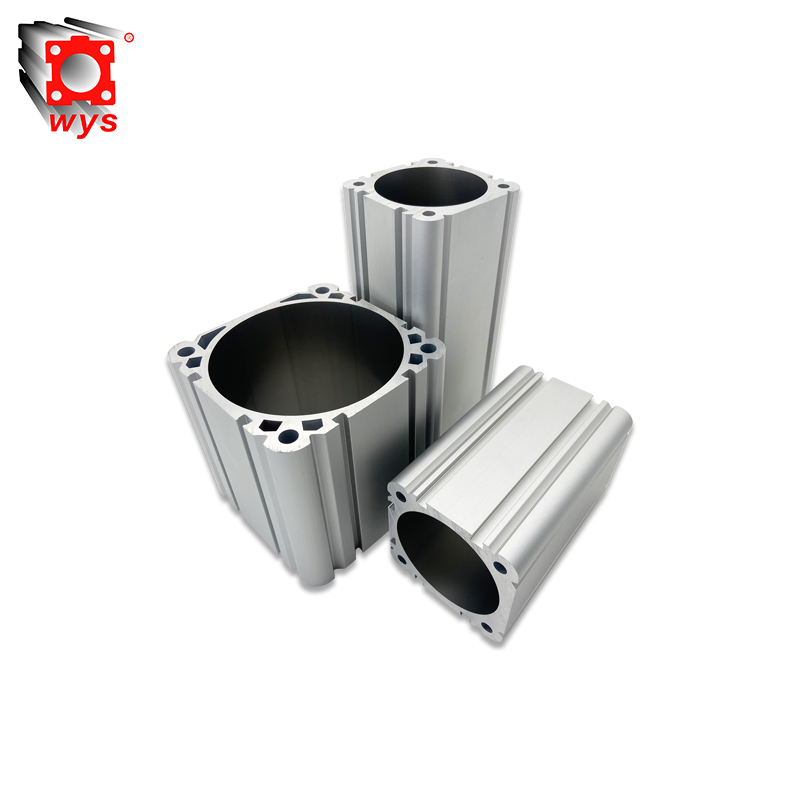
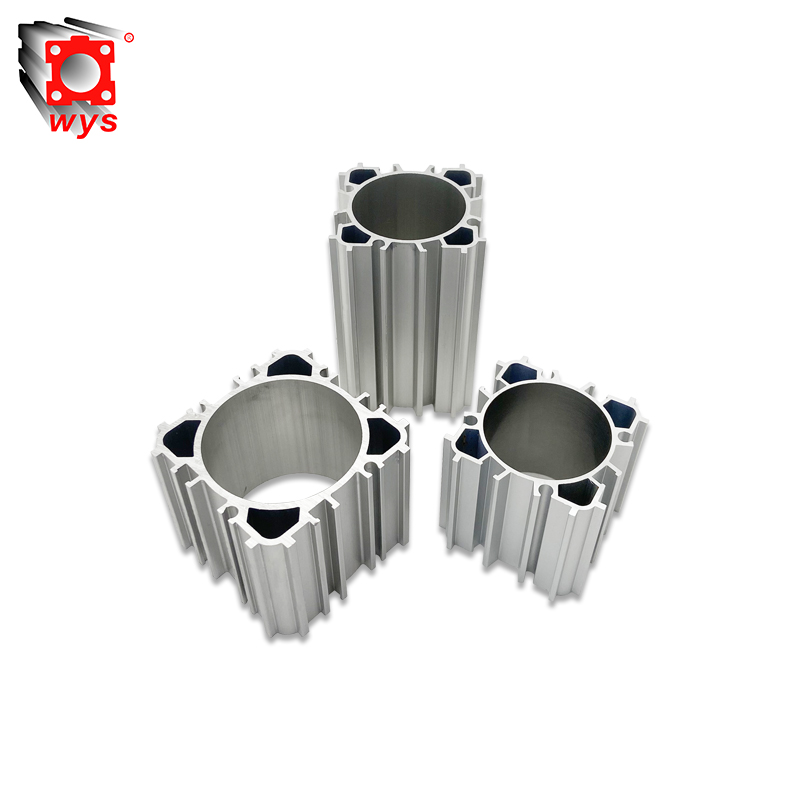
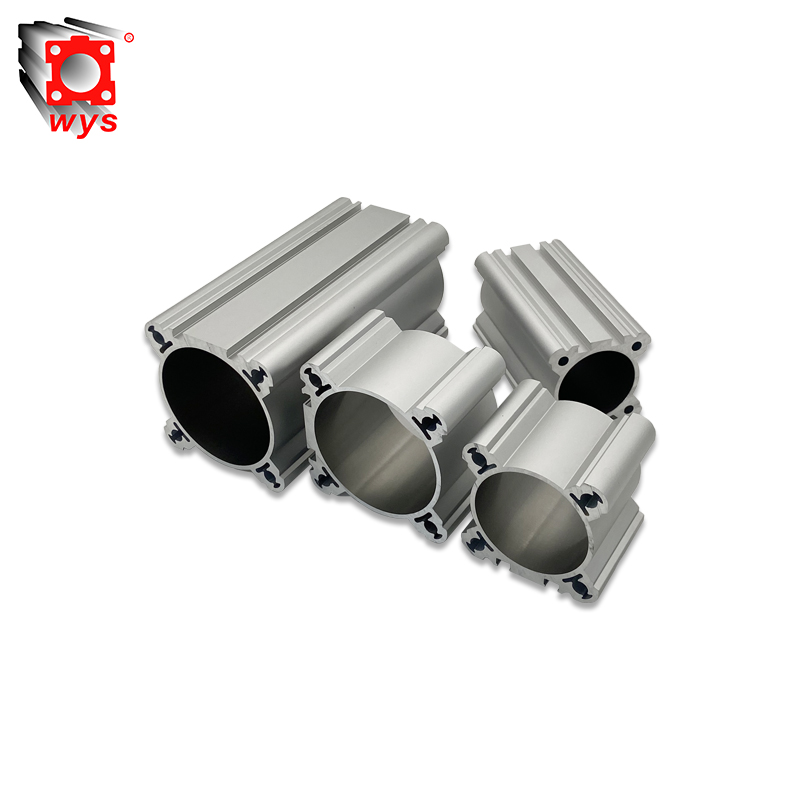
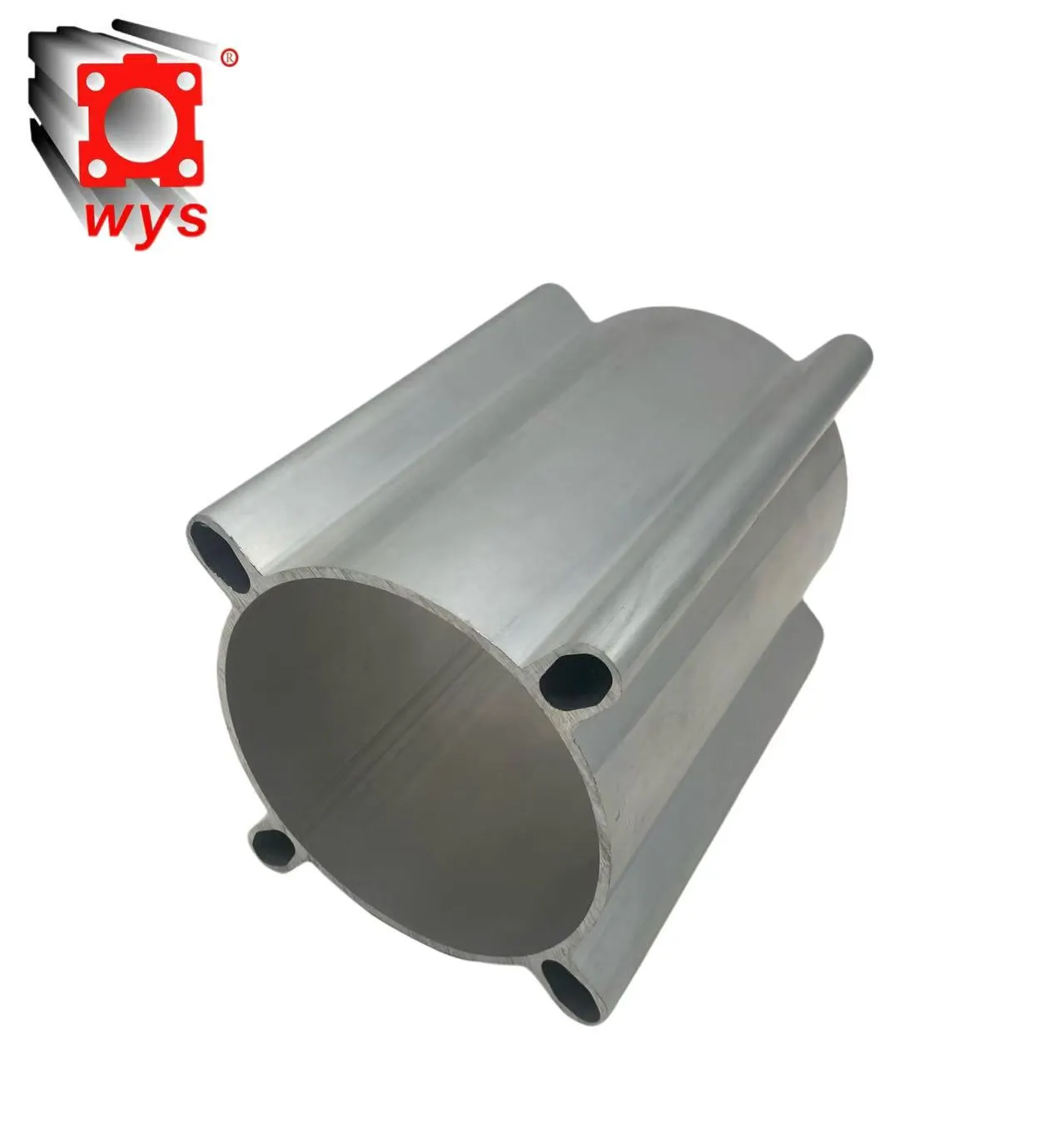
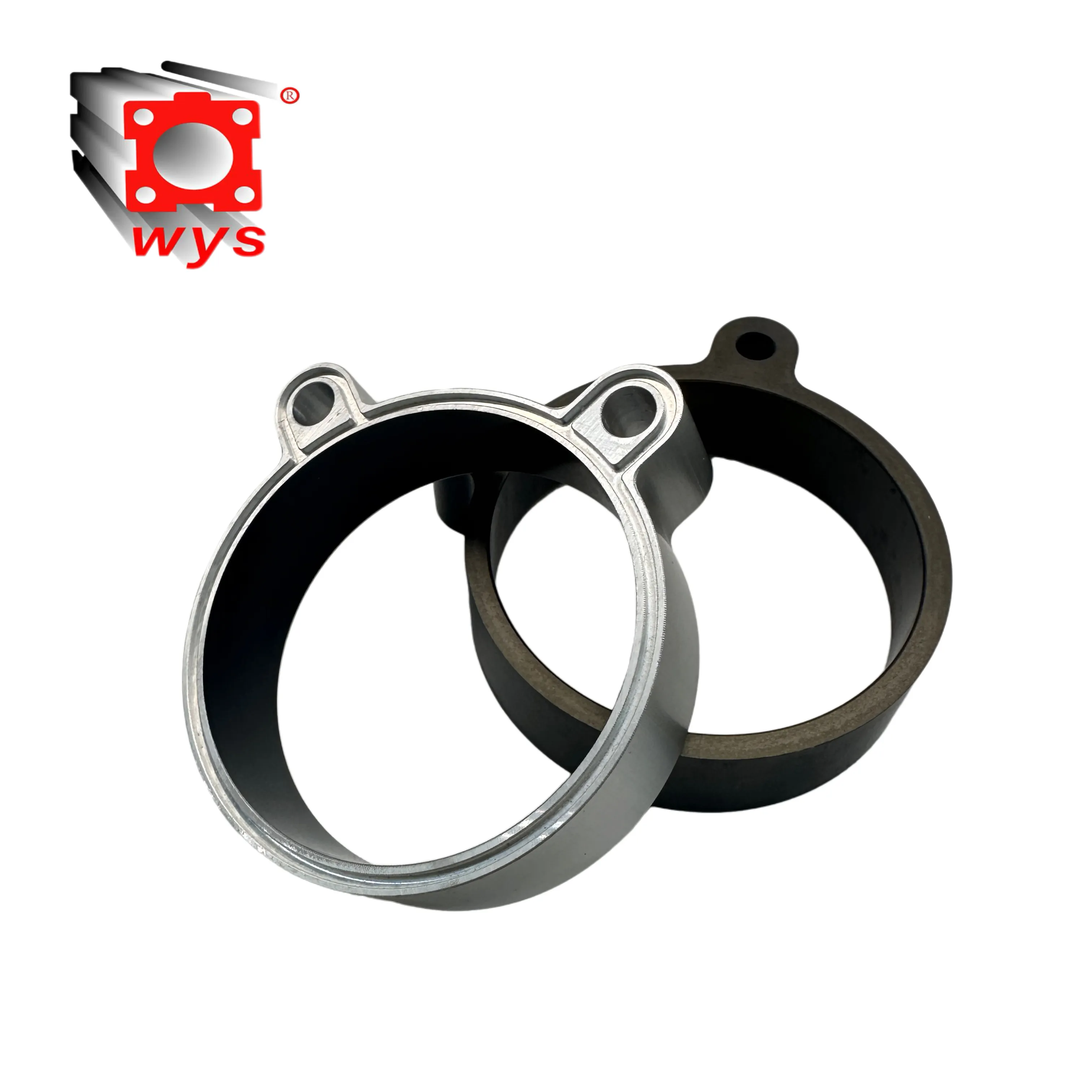
The pneumatic cylinder barrel is a core component of the cylinder assembly, typically referring to the cylindrical tube that houses the piston's movement. Structurally, the barrel is not an independently functioning actuator but rather a vital part of the cylinder unit. It performs critical functions such as withstanding pressure, providing guidance and structural support, and facilitating sealing; it is a fundamental component that determines the cylinder's overall performance.
The role of the pneumatic cylinder barrel is far more significant than many realize. First, it must withstand the internal pressure generated by the compressed air. Industrial pneumatic systems typically operate at pressures between 0.4 MPa and 0.8 MPa, with some high-pressure applications exceeding 1.0 MPa. Consequently, the barrel requires high mechanical strength and fatigue resistance to prevent deformation or rupture during prolonged operation. Second, the interior of the barrel serves as the primary track for piston movement; thus, the precision of the inner wall directly affects the smoothness of the cylinder's operation. Excessive inner diameter tolerance, poor roundness, or high surface roughness can increase piston friction and lead to abnormal wear on the seals.
Industry data indicates that over 60% of seal failures in pneumatic cylinders are linked to the quality of the cylinder barrel, involving issues such as inner wall scratches, dimensional errors, coating delamination, and material fatigue. Therefore, high-quality pneumatic cylinder tubes often undergo precision extrusion, honing, and anodizing or surface hardening treatments to ensure stable, long-term operation.
What is the difference between a pneumatic cylinder tube and a pneumatic cylinder?
Although the pneumatic cylinder barrel and the pneumatic cylinder are closely related, they are not the same concept. Fundamentally, a pneumatic cylinder is a complete mechanical actuation system, whereas the pneumatic cylinder barrel is merely one of its core components. The distinction between the two can be understood through three dimensions: definition, function, and application.
Fundamental difference: The relationship between a whole unit and a component
A pneumatic cylinder is a complete product that can be installed directly onto equipment to perform actions. It is capable of independent operation; once connected to an air supply, it generates mechanical motion. In contrast, a pneumatic cylinder tube cannot function on its own; it serves as the pressure-bearing housing within the cylinder structure and requires components such as the piston, seals, and end caps to form a complete system.
To use a more intuitive analogy: a pneumatic cylinder is like a car, while the pneumatic cylinder tube is like the car's chassis. The chassis is crucial, but it cannot move on its own; similarly, while the pneumatic cylinder barrel is a key foundational part, it cannot replace the complete pneumatic cylinder.
Functional difference: Actuation versus structural support
The core task of a pneumatic cylinder is to output motion and force; its performance is defined by thrust, speed, stroke, and control precision. For example, a cylinder with an 80mm bore and an operating pressure of 0.6 MPa can generate a theoretical thrust of over 3,000 N, determining the size of the mechanical load it can drive.
The pneumatic cylinder barrel, however, focuses on structural stability and the operating environment, primarily serving to provide a high-precision chamber for motion. It must ensure smooth piston movement while maintaining effective sealing performance. Consequently, when evaluating a pneumatic cylinder, one looks at thrust, service life, and response speed; when evaluating a pneumatic cylinder barrel, the focus shifts to material, wall thickness, bore precision, and the quality of surface treatment.
Procurement difference: Finished product vs. component procurement
The procurement logic for pneumatic cylinders and pneumatic cylinder barrels also differs significantly. Pneumatic cylinders are typically purchased for direct installation and use; key procurement parameters include bore size, stroke, mounting style, and port dimensions. The procurement of pneumatic cylinder barrels is primarily undertaken by cylinder manufacturers or maintenance firms; their focus lies on machining specifications such as outer diameter tolerances, bore precision, material grades, and surface hardness.
This explains why many end-users are unfamiliar with pneumatic cylinder barrels—they typically purchase complete cylinder assemblies rather than the raw barrel components themselves.
Why are pneumatic cylinder tubes so important?
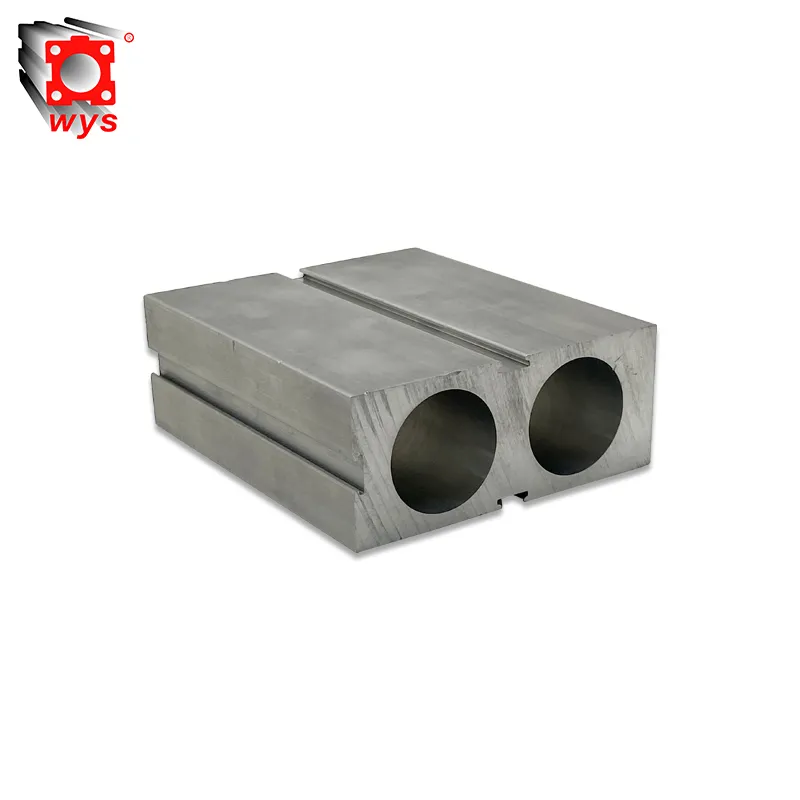
While many believe cylinder performance hinges mainly on seals and piston design, practical engineering experience shows that the pneumatic cylinder tube is often the critical factor determining the product's service life. A high-quality barrel can significantly boost operational efficiency and reduce maintenance frequency.
First, the pneumatic cylinder barrel directly impacts friction loss. A high-precision bore reduces resistance to piston movement, thereby lowering energy consumption. Data indicates that cylinders using precision-honed barrels experience 15% to 25% less frictional resistance on average compared to those with standard-machined barrels. This translates to smoother equipment operation and reduced air consumption.
Second, the pneumatic cylinder tube determines the lifespan of the seals. Seals are typically wear parts, and their rate of wear is closely linked to the surface quality of the barrel. Maintaining an inner wall roughness of Ra 0.2–0.4 can typically extend seal life by more than 30%.
Finally, the pneumatic cylinder barrel affects overall safety. In high-load or high-frequency applications, inferior barrels may suffer fatigue cracking and cause system failures, potentially leading to costly downtime on automated production lines. For large manufacturers, a single hour of production line downtime can result in losses ranging from tens of thousands to hundreds of thousands of yuan; thus, the value of a high-quality barrel far outweighs its purchase cost.
What are the common materials used for pneumatic cylinder tubes?
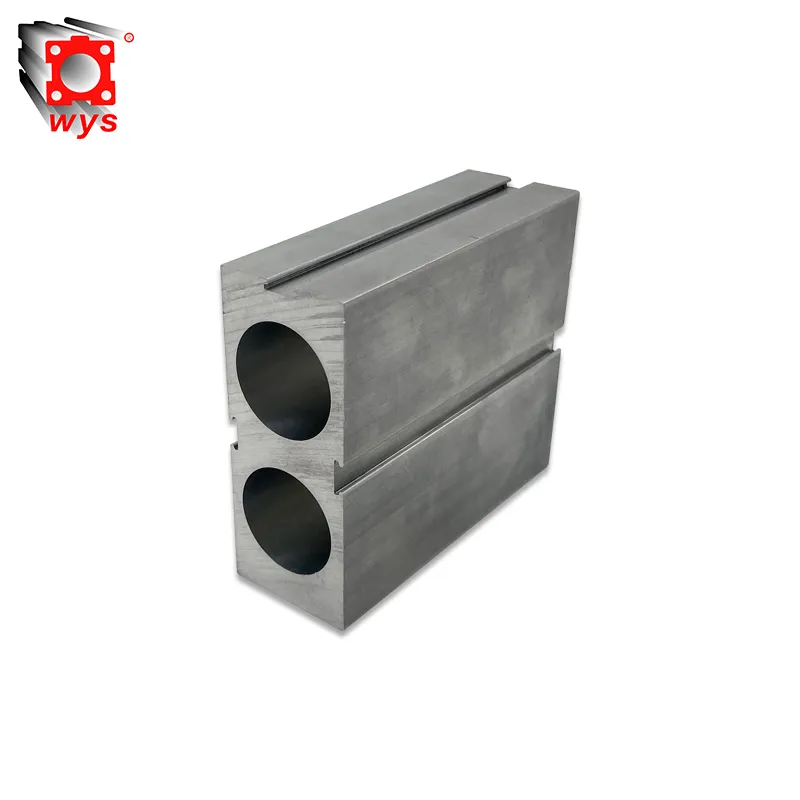
Currently, the market primarily utilizes three categories of materials for pneumatic cylinder tubes: aluminum alloy, stainless steel, and carbon steel. Among these, aluminum alloy barrels are the most widely used.
Aluminum alloy barrels offer advantages such as light weight, corrosion resistance, and excellent machinability, making them the standard choice for most cylinders. They are used in over 70% of small-to-medium-sized cylinders on the market. Their ability to reduce the equipment's overall weight makes them particularly suitable for high-speed automated machinery. Stainless steel pneumatic cylinder barrels are primarily used in specialized industries such as food processing, pharmaceuticals, and chemicals. These environments demand high corrosion resistance, making 304 or 316 stainless steel the ideal material choice; while the cost is higher, the durability is superior.
Carbon steel pneumatic cylinder barrels are typically used in heavy-duty industrial applications, such as mining equipment, metallurgical machinery, or large-scale press-fitting systems. They are characterized by high strength and impact resistance, though they are heavier and require more robust rust-prevention treatment.
How do you choose the right pneumatic cylinder tube or cylinder?
When selecting a cylinder or barrel, businesses should not focus solely on price but must comprehensively evaluate the application environment and performance requirements.
If you are an end-user of the equipment, you should prioritize the cylinder's overall performance—such as whether the thrust is sufficient, the stroke matches the application, the response speed meets production line cycle times, and the brand offers reliable after-sales support.
If you are a cylinder manufacturer or repair service provider, the choice of the pneumatic cylinder tube is particularly critical. Key factors to inspect include bore precision, surface treatment processes, material stability, and batch consistency. Especially in high-end automation equipment, a high-quality barrel can significantly reduce the rate of post-sales failures.
Additionally, the operating environment must be considered. For instance, stainless steel barrels are preferred for humid environments; high-precision aluminum alloy barrels are recommended for high-frequency equipment; and thick-walled, high-strength barrel designs are better suited for heavy-duty applications.
FAQ
1. Is the pneumatic cylinder barrel the same as the pneumatic cylinder?
No. The pneumatic cylinder barrel is merely one of the key internal components of a pneumatic cylinder; it cannot replace the complete cylinder on its own.
2. Do I need to replace the entire cylinder if the barrel is damaged?
Not necessarily. If the cylinder is repairable and the other components are functioning correctly, the barrel can be replaced individually.
3. Why do high-quality pneumatic cylinder tubes cost more?
Because they demand higher standards for materials, machining precision, surface treatment, and durability, resulting in significantly higher manufacturing costs compared to standard barrels.
4. What are the common failures of pneumatic cylinder barrels?
Common issues include inner wall wear, scratches, corrosion, deformation, and seal interface failure.
5. How do you evaluate the quality of a pneumatic cylinder tube?
Evaluation can be conducted based on several aspects: material, bore precision, surface roughness, wall thickness uniformity, and surface treatment processes.
We Are Sincerely Seeking Agents. Welcome To Inquire.