

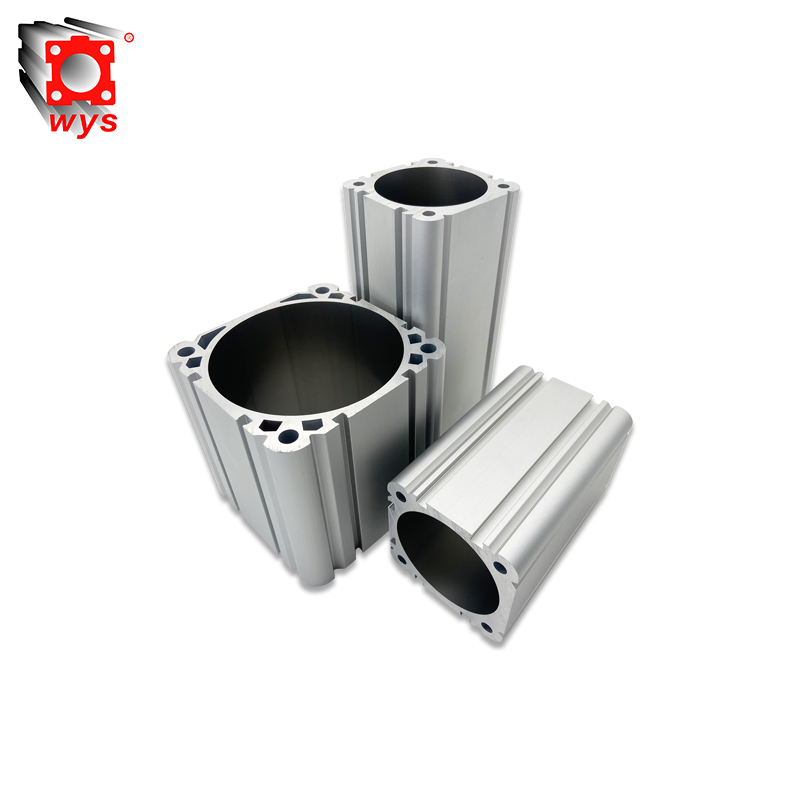
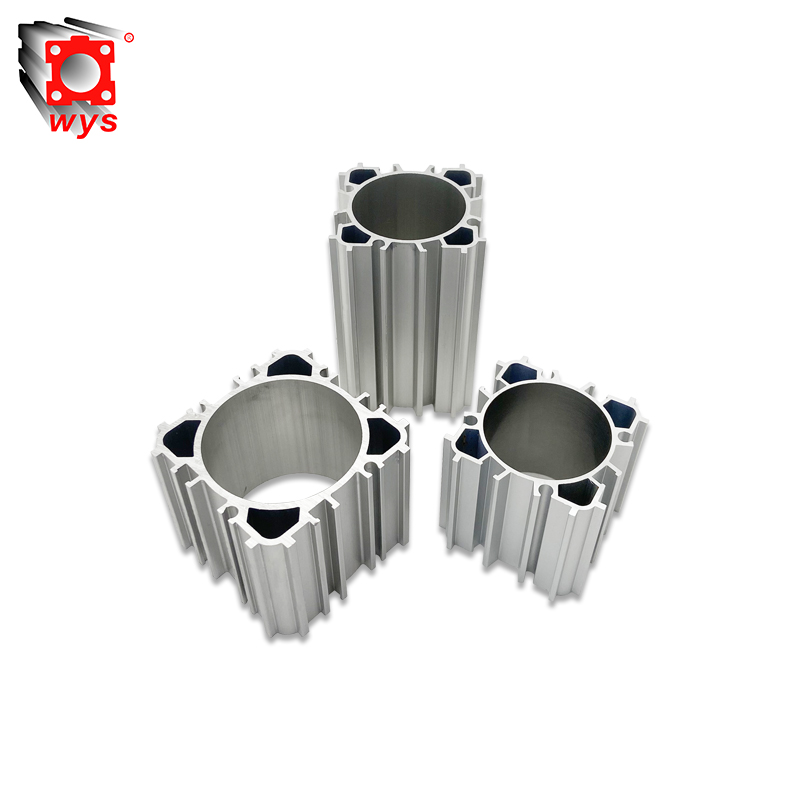
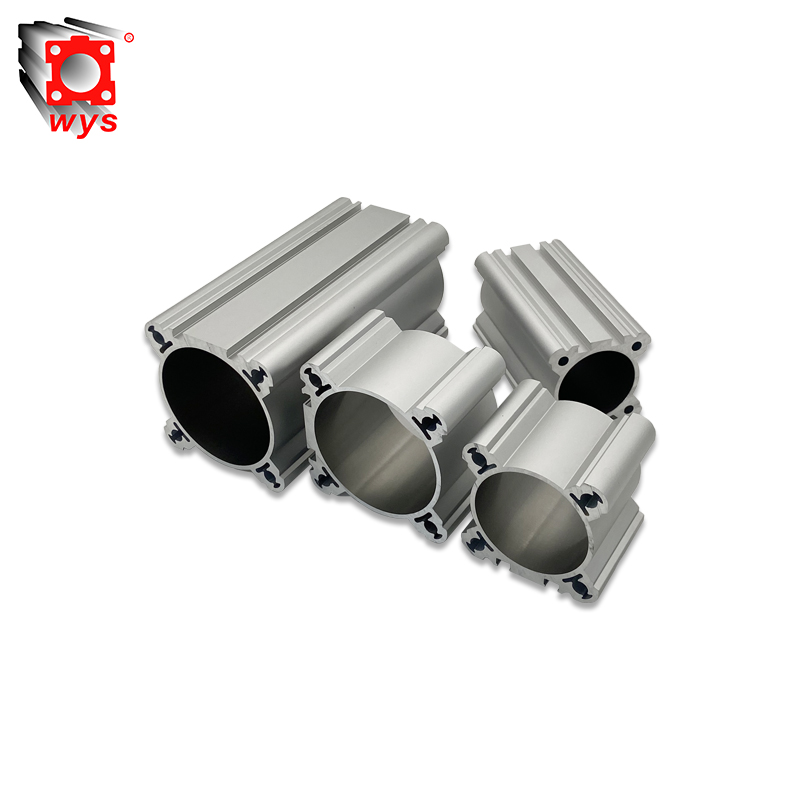
In the design and application of pneumatic systems, the choice of material for the pneumatic cylinder barrel is always a crucial issue. With the widespread use of aluminum alloys in industry, aluminum pneumatic cylinder barrels have gradually become one of the mainstream configurations.
However, at the same time, many people have raised questions: Are aluminum cylinder barrels prone to deformation? Compared to steel pneumatic cylinder barrels, is their stability more reliable?
This article will systematically analyze the core question of whether aluminum cylinder barrels are prone to deformation from multiple dimensions, helping readers to develop a more comprehensive and rational understanding.
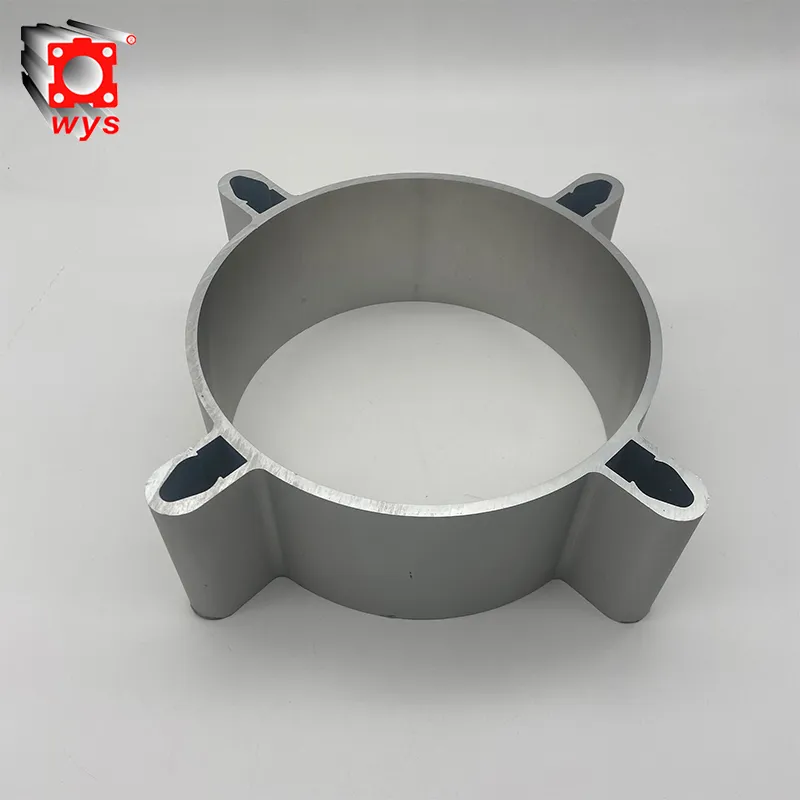
Why are people concerned about the deformation of aluminum cylinder barrels?
In engineering practice, people's perception of materials is often influenced by empirical biases. When aluminum is mentioned, many people's first reaction is "light" and "soft," while steel is associated with "heavy" and "hard." It is this intuitive impression that leads some users to doubt the rigidity and deformation resistance of aluminum pneumatic cylinder barrels.
1. Misconceptions about Materials
Aluminum is indeed lighter than steel, and its modulus of elasticity is also lower, meaning that under the same stress conditions, aluminum should theoretically deform more. However, it's important to note that:
• Engineering design is not simply a comparison of the materials themselves.
• It's a comprehensive result of "material + structure + operating conditions."
2. Actual Pressure Levels of Pneumatic Systems
Pneumatic cylinder barrels typically operate in low to medium pressure environments (approximately 0.4~0.7 MPa), much lower than hydraulic systems. Therefore:
• The requirements for material strength are not as high as imagined.
• Structural rationality is more important.
3. Misunderstandings about "Deformation"
Many people confuse "elastic deformation" with "permanent deformation." In reality:
• Elastic deformation is a normal phenomenon (recoverable).
• Permanent deformation is the problem (irrecoverable).
During normal use, aluminum pneumatic cylinder barrels primarily experience very small elastic deformation.
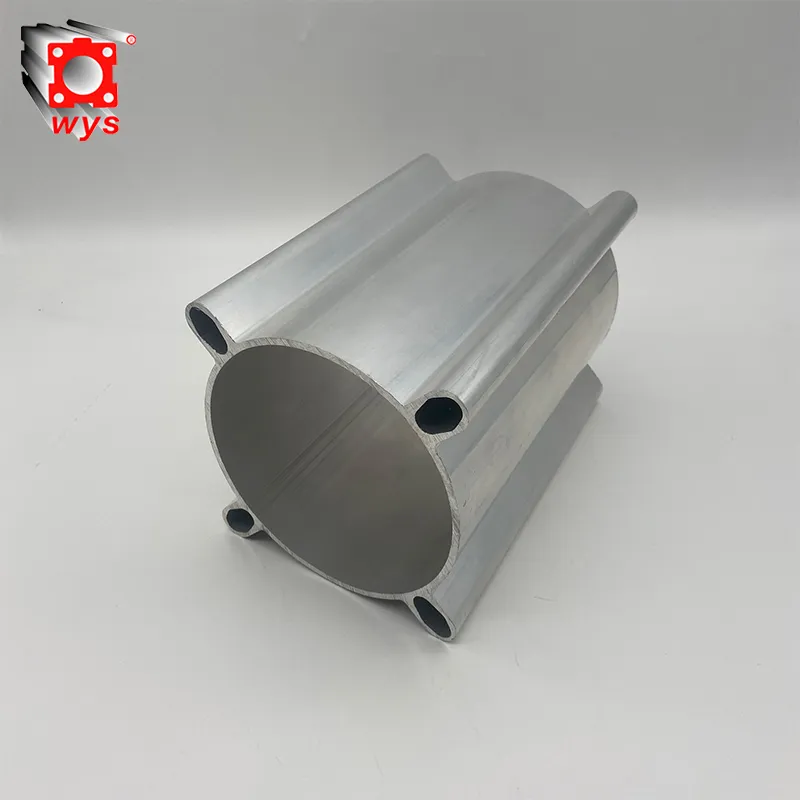
Are aluminum cylinder barrels really more prone to deformation under pressure?
This is the core of the problem and requires analysis from a mechanical perspective.
1. Stress Characteristics of a Pneumatic Cylinder Barrel
During operation, a pneumatic cylinder barrel primarily bears:
• Internal gas pressure
• Uniform radial stress
Due to its cylindrical structure, this stress distribution is inherently advantageous.
2. Deformation Control by a Cylindrical Structure
The circular cross-section of a pneumatic cylinder barrel allows for:
• Uniform pressure distribution
• Avoidance of localized stress concentration
Therefore, even with a low elastic modulus, significant deformation will not occur.
3. Actual Deformation Analysis
Within the normal pressure range:
• Radial deformation of the pneumatic cylinder barrel is extremely small
• Typically at the micrometer level
This deformation does not affect its use or sealing performance.
Is the strength of an aluminum cylinder barrel sufficient to support long-term use?
To determine if it is prone to deformation, the material strength must be considered.
1. Properties of Commonly Used Aluminum Alloys
Aluminum alloys used in pneumatic cylinder barrels (such as 6061 and 6063) possess:
• Good yield strength
• Sufficient tensile strength
Completely meet the pressure requirements of pneumatic systems.
2. Safety Factor
A safety factor is typically set in pneumatic cylinder barrel design:
• Generally 1.5 to 3 times
• Ensures safety even under extreme conditions
This means that the pneumatic cylinder barrel is far from reaching its limits during normal operation.
3. Long-Term Stability
As long as it does not exceed the design limits, aluminum pneumatic cylinder barrels:
• Will not undergo permanent deformation
• Maintain long-term dimensional stability
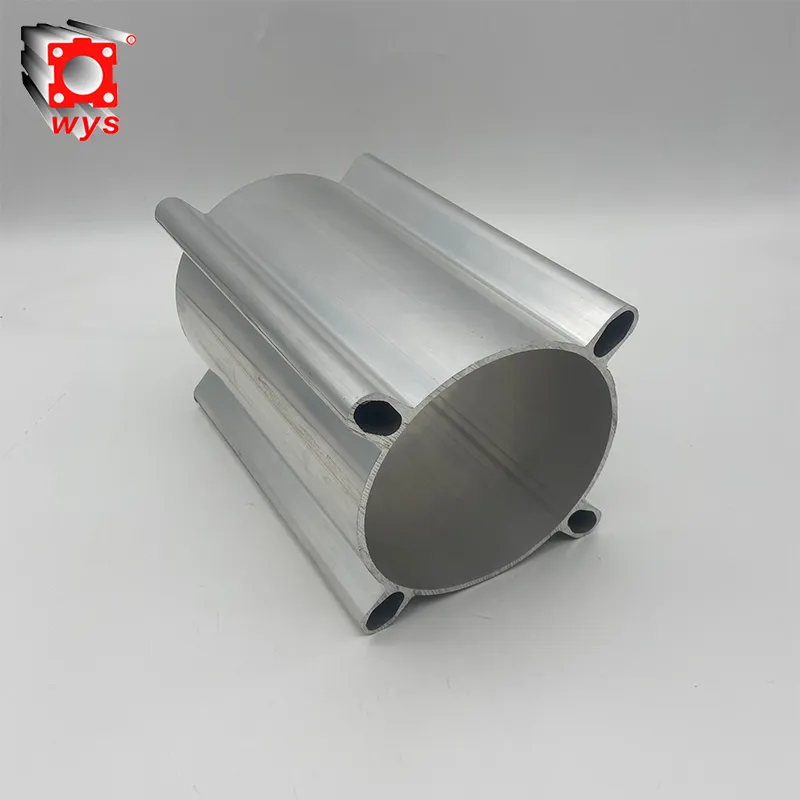
How does the wall thickness design of a pneumatic cylinder barrel affect deformation?
Besides the material itself, structural design is equally crucial.
1. Relationship between Wall Thickness and Rigidity
The rigidity of a pneumatic cylinder barrel is closely related to its wall thickness:
• Larger wall thickness → Greater rigidity
• Smaller deformation
However, this does not mean that thicker is always better.
2. Balancing Engineering Design
Designing a pneumatic cylinder barrel requires balancing:
• Strength
• Weight
• Cost
Therefore, the wall thickness is determined based on the operating pressure.
3. Optimized Design of Aluminum Cylinder Barrels
Due to the light weight of aluminum, while maintaining a weight advantage, it's possible to:
• Appropriately increase the wall thickness
• Improve overall rigidity
This compensates for the material's insufficient elastic modulus.
Does the manufacturing process of a pneumatic cylinder barrel affect deformation?
The manufacturing process has a significant impact on the stability of the pneumatic cylinder barrel.
1. Structural Advantages of Extrusion Molding
Aluminum pneumatic cylinder barrels are typically manufactured using an extrusion process. This process can:
• Create a uniform microstructure
• Improve material strength consistency
2. Internal Stress Control
If residual stress exists during processing, it can lead to:
• Later deformation
• Dimensional changes
Therefore, high-quality pneumatic cylinder barrels typically undergo:
• Stress relief treatment
3. Importance of Finishing
Precision machining (such as honing) ensures:
• Roundness of the inner hole
• Surface uniformity
This avoids deformation caused by localized stress concentration.
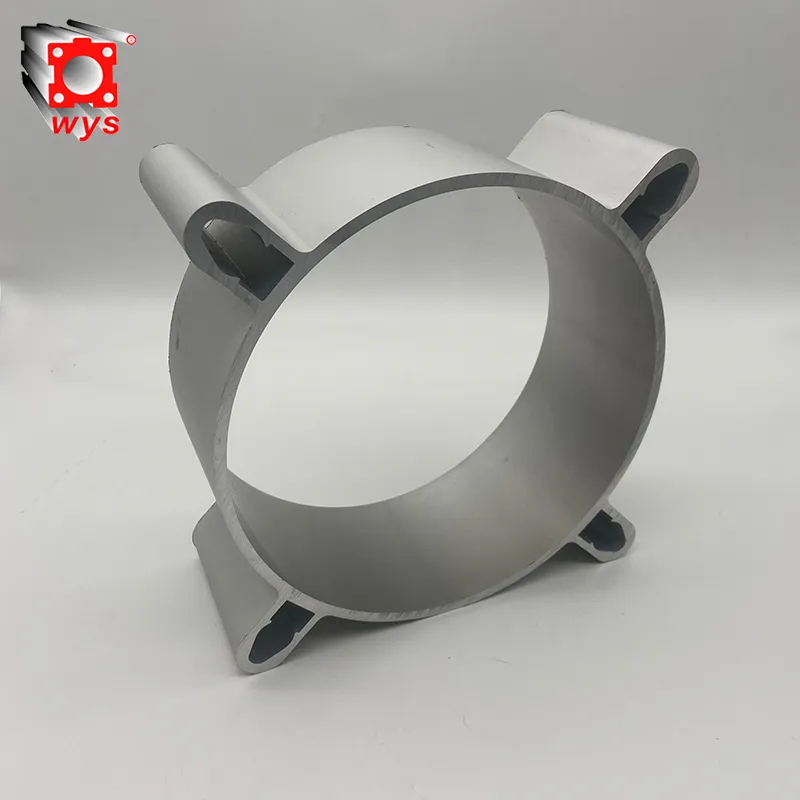
Will temperature changes cause deformation of the pneumatic cylinder barrel?
Temperature is one of the important factors affecting material dimensions.
1. Thermal Expansion Characteristics of Aluminum
Aluminum has a higher coefficient of thermal expansion than steel, which means:
• Expansion is more pronounced with increasing temperature.
2. Actual Impact
Within the common temperature range of pneumatic systems:
• Temperature changes are small.
• Dimensional changes are very limited.
3. System Adaptability
The pneumatic cylinder barrel is designed with temperature factors in mind, therefore:
• It will not affect use under normal conditions.
• It will not cause structural deformation.
Will the pneumatic cylinder barrel "slowly deform" during long-term operation?
This is a hidden concern for many users.
1. Difference Between Fatigue and Deformation
Long-term operation may involve material fatigue, but this is different from deformation:
• Fatigue is a decline in structural performance.
• Deformation is a change in dimensions.
2. Performance of Aluminum Pneumatic Cylinder Barrels
Under normal operating conditions:
• No gradual deformation will occur.
• Dimensions remain stable.
3. Key Prerequisites
The prerequisites are:
• No overpressure use.
• No severe impact loads.
Under what circumstances might the pneumatic cylinder barrel deform?
While aluminum pneumatic cylinder barrels generally don't deform, certain conditions still require attention.
1. Exceeding Design Pressure
If the pneumatic cylinder barrel is subjected to pressure exceeding its design for an extended period:
• Plastic deformation may occur.
2. External Mechanical Impact
Impact or compression may cause:
• Localized deformation.
3. Improper Installation
Uneven stress during installation may cause:
• Structural deformation.
4. Manufacturing Quality Issues
Poor manufacturing quality may cause:
• Internal defects
• Stress concentration.
How to determine if a pneumatic cylinder barrel is deformed?
In practical use, the following methods can be used to determine this:
1. Visual Inspection
Observe the pneumatic cylinder barrel for:
• Bending
• Surface abnormalities
2. Operating Status
If:
• Piston jamming
• Uneven movement
This may be related to pneumatic cylinder barrel deformation.
3. Dimensional Inspection
By measuring the inner diameter and roundness, deformation can be determined.
How to prevent deformation of aluminum cylinder barrels?
Proper use can effectively avoid problems.
1. Control operating pressure
Ensure the pneumatic cylinder barrel operates within its design pressure range.
2. Correct installation
Avoid installation stress and external extrusion.
3. Choose high-quality products
High-quality pneumatic cylinder barrels:
• Stable materials
• Reliable manufacturing process
4. Reasonable operating environment
Avoid extreme temperatures and strong impact environments.
Are aluminum cylinder barrels prone to deformation?
Under normal design and operating conditions, they are not easily deformed.
The stability of a pneumatic cylinder barrel depends not only on the material itself, but also on the structural design, wall thickness control, manufacturing process, and operating environment. With proper design and processing, aluminum pneumatic cylinder barrels can fully meet the requirements of pneumatic systems and maintain good dimensional stability.
How does Weiyingjia maintain competitive prices without compromising quality?
Weiyingjia achieves this by integrating efficient production processes, skilled technicians, and strict quality control. Each pneumatic cylinder, kit, and liner is tested for precision and durability. Buyers purchasing from our company benefit from high-quality components, reliable supply, and cost-effective solutions.