

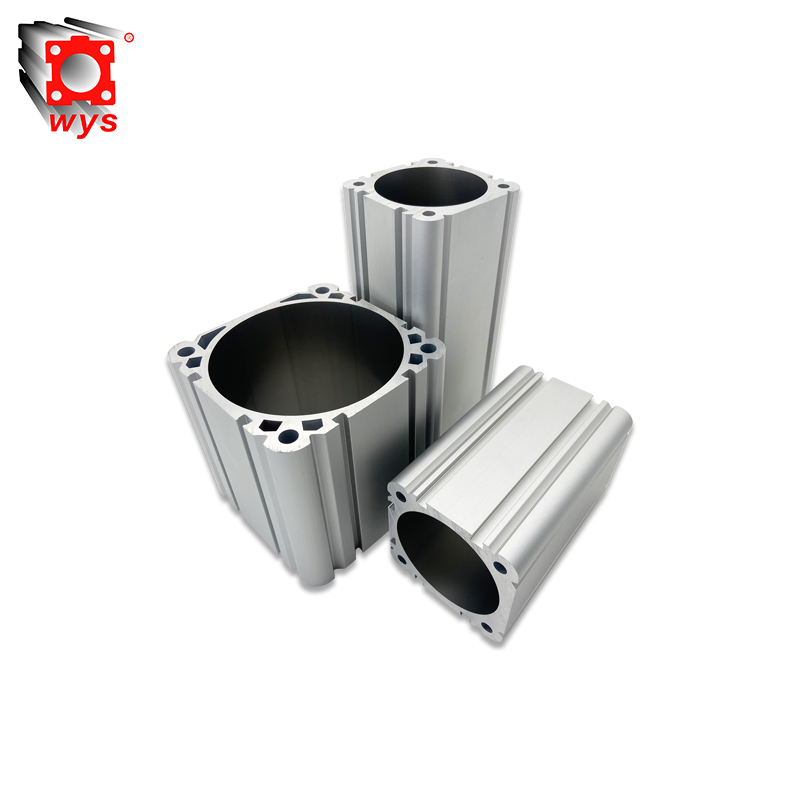
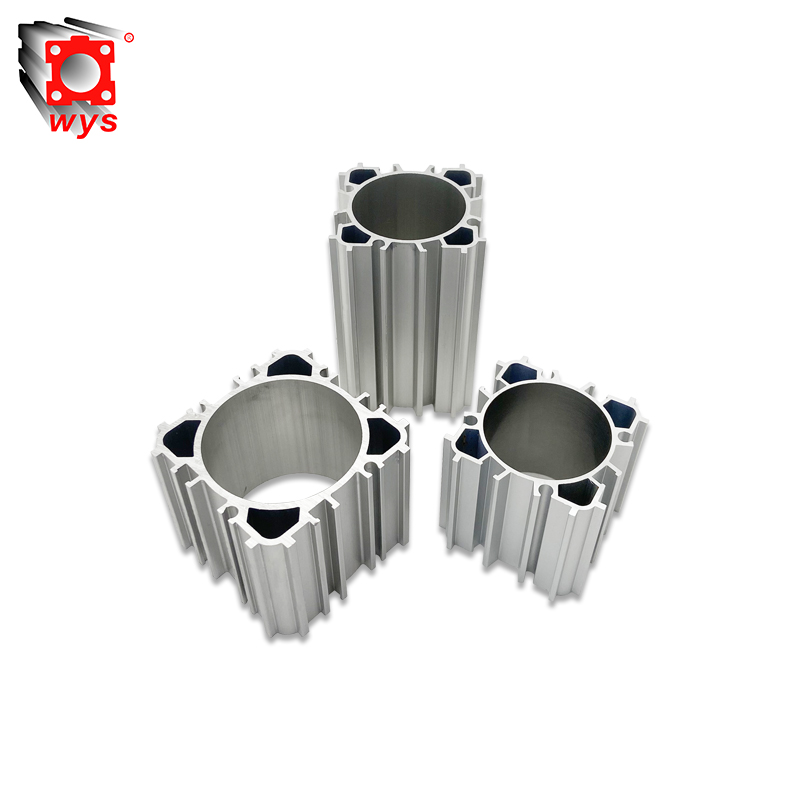
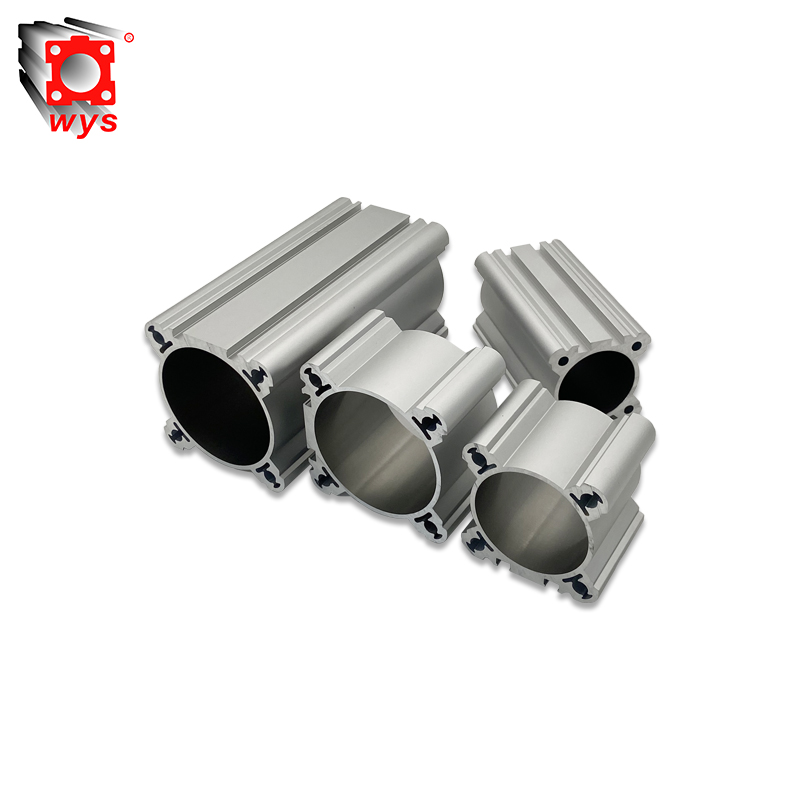
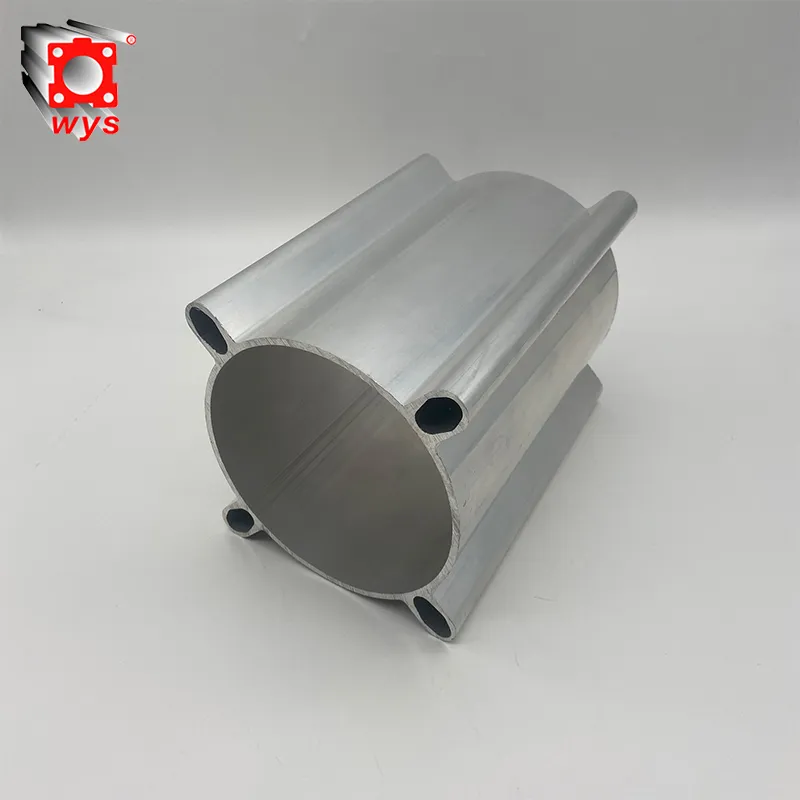
In pneumatic systems, the cylinder, as the actuator, plays a crucial role in converting compressed air energy into mechanical motion. Within the cylinder structure, the pneumatic cylinder barrel is one of the most critical pressure-bearing components. It not only withstands the internal compressed air pressure but also provides a stable path for the piston's movement.
Therefore, once a pneumatic cylinder tube ruptures, the impact often far exceeds that of ordinary equipment failure.
Many equipment maintenance personnel focus more on seals, valves, or air source treatment devices during routine maintenance, easily overlooking the structural safety of the pneumatic cylinder barrel itself.
In fact, a ruptured pneumatic cylinder tube not only causes equipment downtime but can also trigger safety risks and a chain reaction of system failures.
So, how serious are the consequences of a pneumatic cylinder barrel rupture? This article will conduct an in-depth analysis from multiple perspectives, including structural safety, equipment performance, system stability, and production safety, to comprehensively explain the potential impact of a pneumatic cylinder tube rupture.
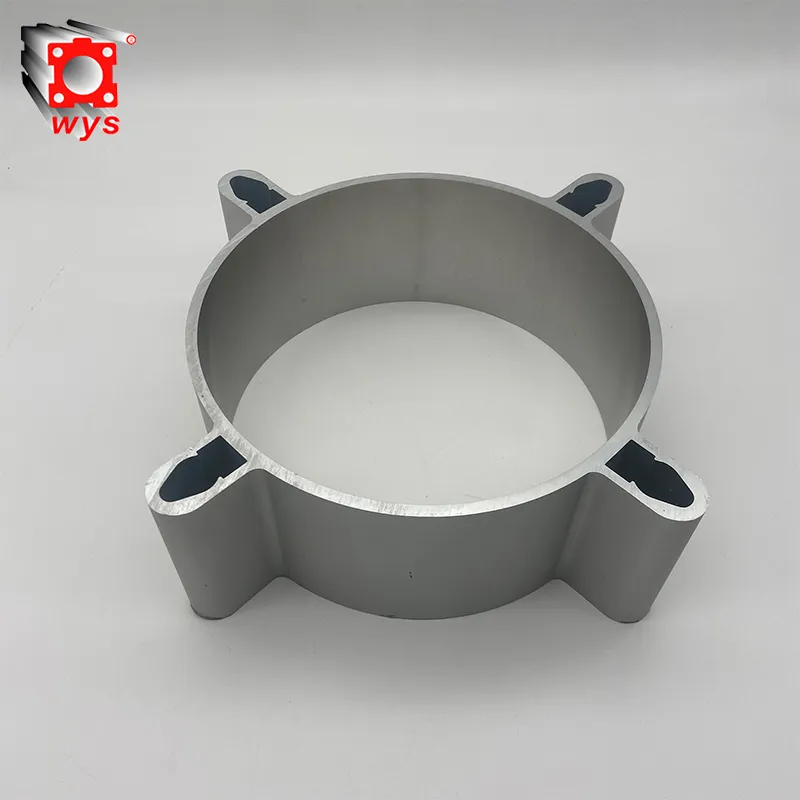
What role does the pneumatic cylinder barrel play in the cylinder structure?
The pneumatic cylinder barrel is the main structure of the cylinder, and its main functions include:
• Withstanding compressed air pressure
• Providing space for piston movement
• Maintaining a sealed environment inside the cylinder
• Ensuring the linear accuracy of cylinder movement
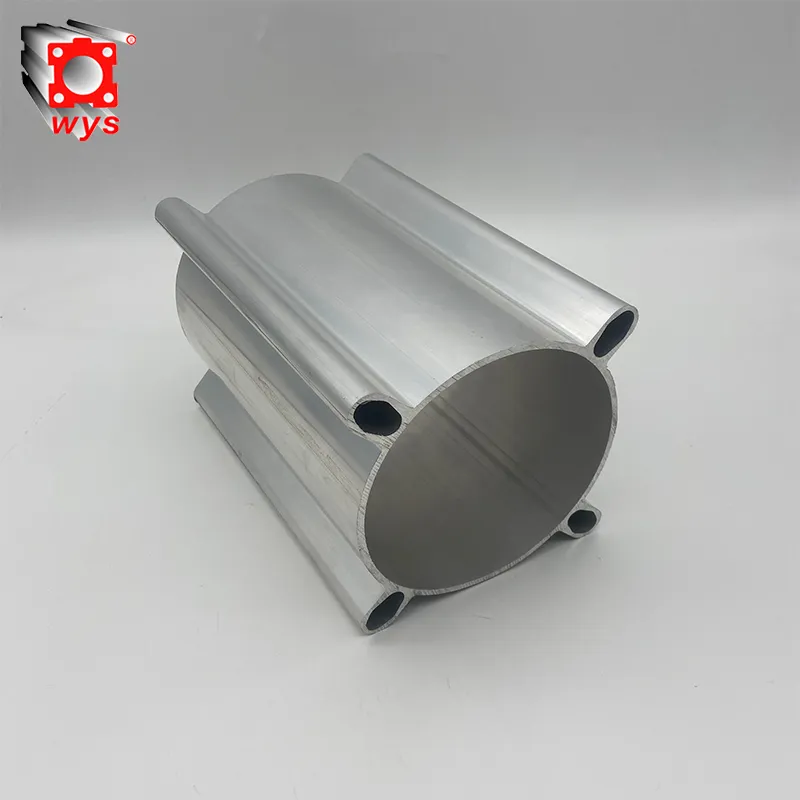
Pneumatic cylinder barrels are typically made of aluminum alloy, stainless steel, or high-strength alloy materials, and undergo precision machining and surface treatment to ensure good smoothness and wear resistance of their inner walls.
During cylinder operation, the pneumatic cylinder tube must withstand not only the internal air pressure but also the frictional forces and lateral loads generated by piston movement. Therefore, the structural strength and stability of the pneumatic cylinder tube are crucial to the entire pneumatic system.
If the pneumatic cylinder barrel ruptures, it means that the basic structure of the cylinder has lost stability, which will directly affect the operation of the equipment.
Will a ruptured pneumatic cylinder tube cause immediate equipment failure?
The answer is: In most cases, it will cause immediate equipment failure.
The pneumatic cylinder tube is the load-bearing structure for the internal pressure environment of the cylinder. Once a crack or rupture occurs in the pneumatic cylinder tube, the compressed air inside the cylinder will leak rapidly.
This can cause the following problems:
• The cylinder cannot maintain its operating pressure.
• The piston loses its driving force.
• The actuator stops working.
Since pneumatic systems rely on stable air pressure for operation, once the pneumatic cylinder barrel ruptures, the cylinder will typically stop working immediately, and the equipment will be unable to continue performing its original actions.
Furthermore, if the pneumatic cylinder barrel rupture is severe, it may cause internal parts to detach or be damaged, rendering the cylinder completely unusable.
Does a ruptured pneumatic cylinder barrel pose a safety risk?
A ruptured pneumatic cylinder barrel is not just an equipment failure; it can also pose certain safety risks.
In pneumatic systems, compressed air is usually under a certain pressure. When the pneumatic cylinder tube suddenly ruptures, the high-pressure air inside may be released instantaneously.
This situation may create the following risks:
1. High-pressure air impact
The rapid release of compressed air can generate a strong airflow, impacting surrounding equipment or personnel.
2. Structural debris ejection
If the pneumatic cylinder barrel material breaks upon rupture, fragments may be ejected from the cylinder structure.
3. Sudden Equipment Movement
A ruptured pneumatic cylinder tube can cause actuator malfunction and abnormal equipment operation.
Therefore, from a safety perspective, a ruptured pneumatic cylinder barrel is not only an equipment problem but can also involve personnel safety.
Does a ruptured pneumatic cylinder tube affect the overall stability of the pneumatic system?
Pneumatic systems typically consist of multiple pneumatic components, including cylinders, valves, pipelines, and air source processing devices. Each pneumatic component performs a specific function within the system.
When a pneumatic cylinder tube ruptures, its impact is often not limited to a single cylinder but can affect the entire pneumatic system.
For example:
• Sudden drop in system pressure
• Abnormal operation of other pneumatic actuators
• Changes in the air source system load
If multiple devices in the system share an air source, a large leak caused by a ruptured pneumatic cylinder barrel may even affect the normal operation of other devices.
Therefore, a ruptured pneumatic cylinder tube can trigger system-level operational problems.
Does a ruptured pneumatic cylinder tube affect the accuracy of cylinder movement?
The accuracy of cylinder movement depends on the internal geometry and surface quality of the pneumatic cylinder tube.
The inner wall of the pneumatic cylinder tube is typically precision-machined to ensure:
• Roundness
• Straightness
• Surface roughness
These factors directly affect the stability of piston movement within the pneumatic cylinder tube.
If the pneumatic cylinder tube develops cracks or partial fractures, it may lead to:
• Inner wall deformation
• Surface unevenness
• Increased piston movement resistance
Even if the pneumatic cylinder tube does not completely break, structural damage can still affect the accuracy of cylinder movement.
In such cases, the equipment may experience vibration, jamming, or inaccurate positioning.
Does a cracked pneumatic cylinder tube accelerate damage to other components?
When the pneumatic cylinder tube structure is damaged, the internal working environment of the cylinder changes significantly, which can have a cascading effect on other components.
For example:
1. Increased wear on seals
After a pneumatic cylinder tubecracks, the inner wall may become rough, thus increasing wear on the seals.
2. Uneven Stress on Piston Assembly
Deformation of the pneumatic cylinder barrel can lead to uneven stress on the piston, affecting its motion stability.
3. Damage to Guide Components
If the pneumatic cylinder barrel shifts or deforms, the guide components may bear additional loads.
These problems can shorten the overall lifespan of the cylinder.
Does a ruptured pneumatic cylinder barrel cause gas leakage?
Pneumatic systems rely on a sealed space to maintain air pressure. When a pneumatic cylinder barrel ruptures, gas leakage is almost inevitable.
Gas leakage has several impacts:
• Increased air consumption
• Increased compressor load
• Decreased system efficiency
In the long term, if a pneumatic cylinder tube rupture is not detected in time, the energy consumption of the pneumatic system may increase significantly.
Therefore, the structural integrity of the pneumatic cylinder tube is also crucial for system operating efficiency.
Does a ruptured pneumatic cylinder tube affect equipment maintenance costs?
A ruptured pneumatic cylinder tube is usually a more serious type of equipment damage, and its repair costs are often higher than those of ordinary cylinder failures.
Reasons include:
• Pneumatic cylinder barrels are often difficult to repair.
• The entire cylinder may need to be replaced.
• Related parts may also be damaged simultaneously.
Furthermore, maintenance may involve:
• Equipment downtime
• Labor maintenance costs
• System testing and debugging
Therefore, a broken pneumatic cylinder barrel often increases equipment maintenance costs.
Why is the structural safety of the pneumatic cylinder tube so important?
As the main structure of the cylinder, the stability of the pneumatic cylinder tube directly determines whether the cylinder can operate safely.
If the pneumatic cylinder tube structure is reliable, it can ensure:
• Stable internal cylinder pressure
• Smooth piston movement
• Normal operation of the sealing structure
Conversely, if the pneumatic cylinder tube has structural defects or damage, it may lead to:
• Gas leakage
• Abnormal movement
• Equipment downtime
Therefore, checking the condition of the pneumatic cylinder barrel is a crucial task in the maintenance of pneumatic equipment.
How serious are the hazards of a broken pneumatic cylinder barrel?
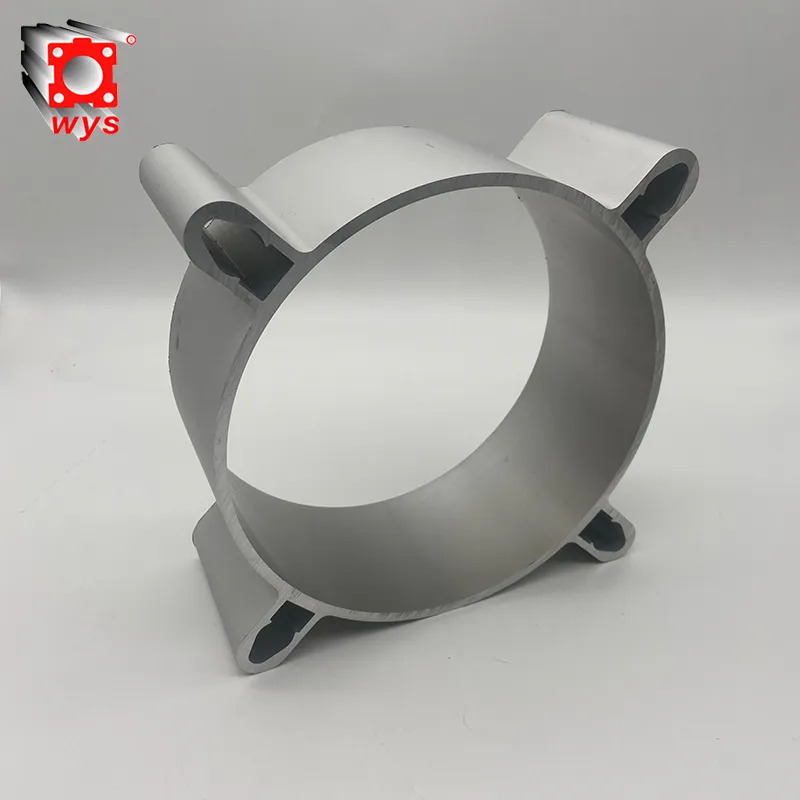
The hazards of a broken pneumatic cylinder barrel are multifaceted. It can not only cause cylinder failure but also affect the operation of the entire pneumatic system.
The main hazards of a broken pneumatic cylinder barrel include:
• Immediate loss of cylinder driving force
• Rapid system pressure leakage
• Decreased equipment operational stability
• Impaired cylinder movement precision
• Accelerated wear of other internal components
Furthermore, a broken pneumatic cylinder tube can also lead to safety risks and increased maintenance costs.
Therefore, in the maintenance of pneumatic equipment, it is crucial to prioritize the structural integrity of the pneumatic cylinder tube. Regular inspections and proper usage conditions should be ensured to maintain the pneumatic cylinder barrel in good condition, thereby guaranteeing the stable and reliable operation of the pneumatic system.
Why is Weiyingjia ideal for industrial pneumatic applications?
Weiyingjia manufactures aluminum alloy cylinders, kits, liners, and seals with over 15 years of expertise. Our factory uses CNC machining, polishing, and hard anodizing to produce precise and durable components. Buyers purchasing from us enjoy high-quality, energy-efficient, and reliable products. Wholesale and brand clients trust Weiyingsi for competitive prices, strict quality control, and professional technical support for industrial applications.