

During the long-term operation of pneumatic equipment, cylinder seal kits serve as critical sealing components, playing a vital role in preventing gas leakage and maintaining stable pressure. However, in actual operating environments—influenced by various factors such as air source quality, humidity fluctuations, and chemical media—it is not uncommon for cylinder seal kits to exhibit signs of corrosion.
So, when a pneumatic cylinder seal kit has already begun to corroding, can it still be used? Is the corrosion merely minor and manageable, or does it represent a latent hazard requiring immediate replacement? If usage continues, what potential problems might arise?
Addressing these core questions, this article will provide a systematic analysis covering various aspects, including corrosion types, the impact on performance, and diagnostic methods.
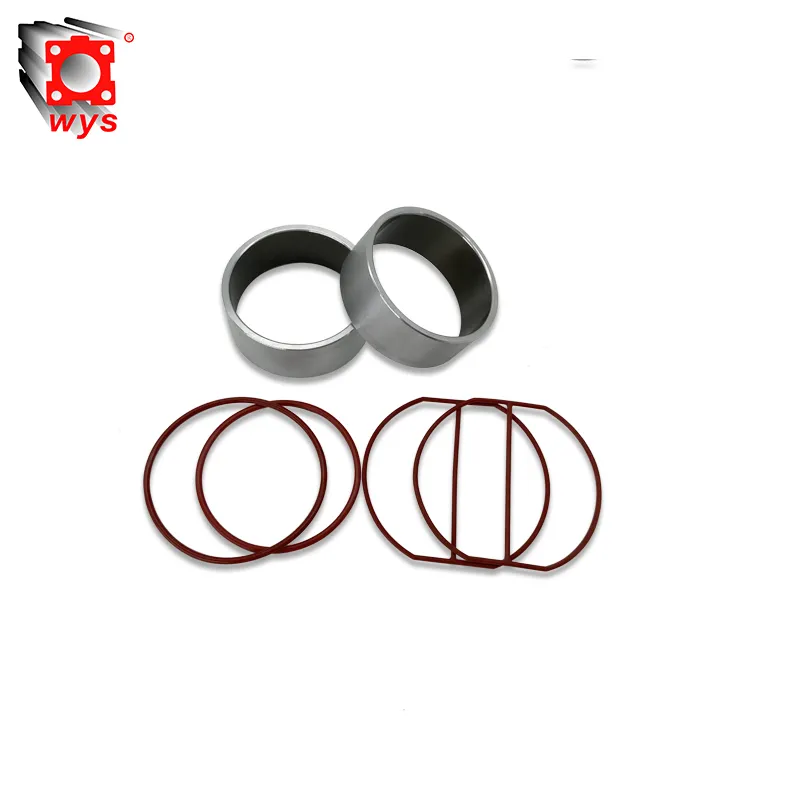
What Exactly Does Cylinder Seal Kit Corrosion Signify?
Corrosion in cylinder seal kits typically involves more than just simple "rusting"; it may manifest as:
•Surface hardening or cracking
•Reduced elasticity
•Localized swelling or softening
•The appearance of fine surface pitting
Fundamentally, these changes reflect a degradation of the material's physical properties, rather than merely a change in appearance.
Can Corroded Cylinder Seal Kits Continue to Be Used?
1. Does All Corrosion Necessitate Replacing the Cylinder Seal Kit?
Not all instances of corrosion in pneumatic cylinder seal kits require immediate replacement. If the damage consists only of:
•Slight surface discoloration
•No obvious deformation
•Elasticity that remains good
The kit may still retain some functional capacity for a short period.
However, it is crucial to note that this "usability" is often temporary and does not imply that the component's performance has been restored or is fully normal.
2. Under What Corrosion Conditions Must the Cylinder Seal Kit Be Taken Out of Service?
When a pneumatic cylinder seal kit exhibits any of the following conditions, it should be considered a failure:
•Obvious cracks
•Surface peeling or flaking
•Significantly diminished elasticity
•Dimensional changes
These issues directly compromise the structural integrity of the seal; continuing to use the component will make it impossible to maintain airtightness.
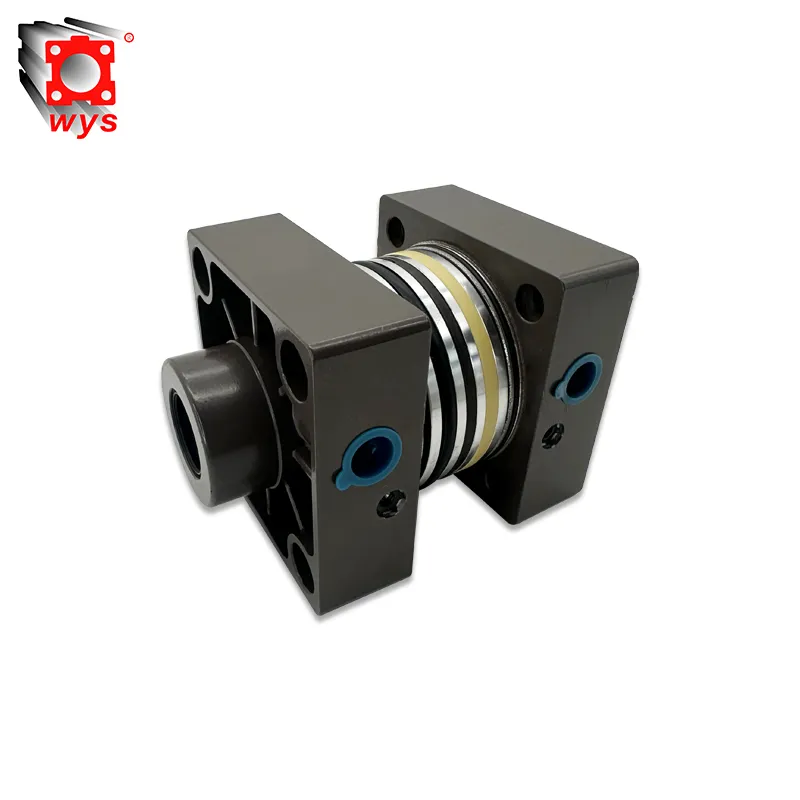
Why Does Sealing Performance Decline After a Cylinder Seal Kit Corrodes?
1. Disruption of the Contact Interface
Cylinder seal kits rely on a tight, intimate fit against their mating surfaces to achieve a seal. Once corrosion occurs:
•The contact surface becomes uneven.
•The sealing lip fails to seat properly.
•Microscopic gaps increase.
These changes can lead to gas leakage from the contact interface.
2. Material Elasticity Is Compromised
Sealing effectiveness relies not only on geometry but also on the material's elasticity. If a pneumatic cylinder seal kit suffers from corrosion that causes:
•Increased hardness (becoming brittle)
•Or excessive softening
Both conditions will impair its ability to respond to pressure fluctuations, thereby reducing sealing efficiency.
3. Corrosion of Cylinder Seal Kits Exacerbates Wear
After corrosion, the surface of a cylinder seal kit typically loses its smoothness, leading to new issues:
•Increased coefficient of friction
•Localized stress concentrations
•Uneven contact with the cylinder wall or piston rod
During continuous operation, this poor contact further accelerates wear, creating a vicious cycle.
Does Corrosion of Cylinder Seal Kits Lead to Air Leakage?
1. Can Latent Leaks Occur?
In the early stages of corrosion, a pneumatic cylinder seal kit may still maintain a basic seal, but the following issues may arise:
•Minute leakage
•Reduced pressure-holding capability
These latent issues are often difficult to detect but can compromise system efficiency.
2. Can It Progress to Overt Leakage?
As corrosion intensifies:
•The sealing structure gradually fails.
•Contact pressure diminishes.
Ultimately, this will progress to overt air leakage, potentially even disrupting the normal operation of the cylinder.
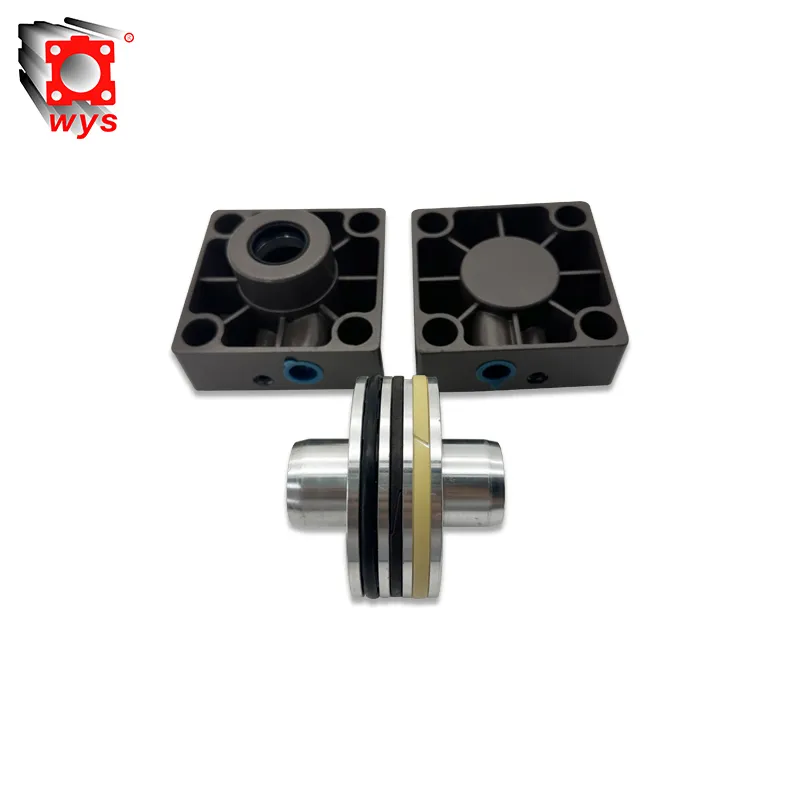
Why Do Cylinder Seal Kits Corrode?
1. Moisture or Impurities in the Air Supply
Moisture within compressed air is one of the primary causes of corrosion in pneumatic cylinder seal kits. If the air is not sufficiently dried:
•Moisture accumulates in the sealing zone.
•Prolonged exposure leads to material aging.
2. Exposure to Chemical Media
Certain environments may contain oil mist or chemical gases; these substances can react with the pneumatic cylinder seal kit, altering the material's properties.
3. Temperature Fluctuations Affect Material Stability
Temperature variations accelerate the material aging process, making the pneumatic cylinder seal kit more susceptible to corrosion or performance degradation.
How Can One Determine if the Level of Corrosion in a Cylinder Seal Kit Is Acceptable?
1. Is a Visual Inspection Sufficient?
Through visual inspection with the naked eye, one can make a preliminary assessment of whether the cylinder seal kit exhibits any of the following:
•Cracks
•Deformation
•Surface anomalies
However, a visual inspection serves only as a basis for a preliminary judgment.
2. Is tactile assessment or elasticity testing necessary?
By applying light pressure to the cylinder seal kit, one can gauge whether its elasticity remains normal. If any of the following occur:
•Noticeable hardening
•Sluggish rebound
•Uneven texture
it indicates that the material's properties have undergone a change.
3. What risks arise from continuing to use a corroded cylinder seal kit?
Continuing to use a pneumatic cylinder seal kit in a corroded state may trigger the following issues:
•Aggravated seal failure
•Drop in system pressure
•Increased energy consumption
•Equipment operational instability
These issues often do not manifest immediately but accumulate gradually, ultimately compromising overall operational performance.
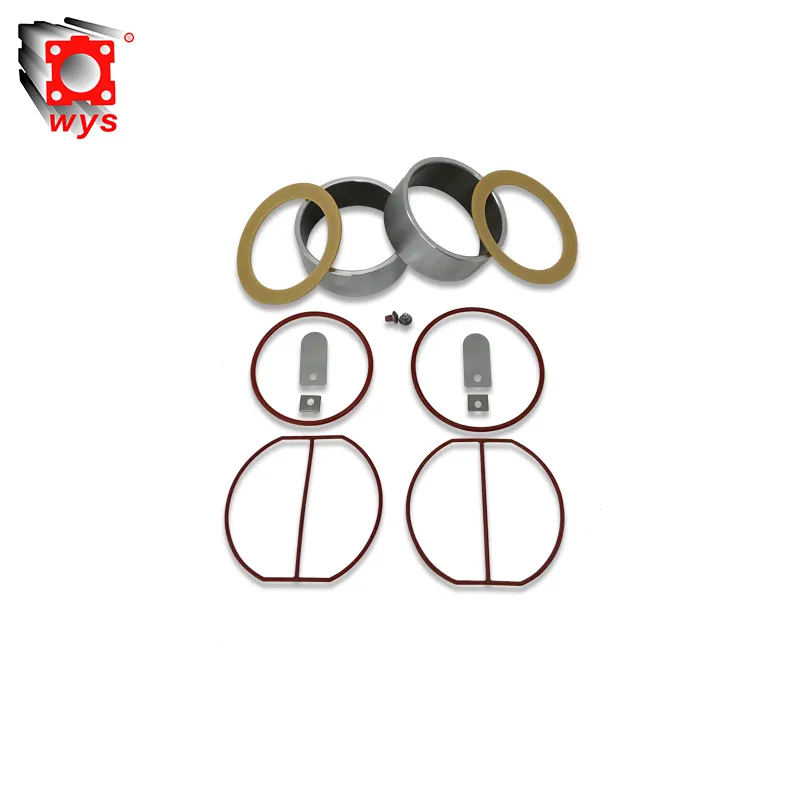
Can the service life of a cylinder seal kit be extended through treatment?
1. Is cleaning the cylinder seals helpful?
For minor contamination or surface deposits, cleaning can help restore the seals to a certain condition. However, in cases of actual corrosion:
•The material properties have already changed
•Restoration through cleaning is not possible
2. Can lubricating the cylinder seals provide improvement?
Appropriate lubrication can reduce friction, but it cannot restore the sealing performance of the pneumatic cylinder seal kit. Therefore, it serves only as an auxiliary measure, not a definitive solution.
3. Why must issues with cylinder seals not be ignored?
Although pneumatic cylinder seal kits are consumable components, they play a critically important role. Once corrosion occurs and use continues, it may lead to:
•Decreased system efficiency
•Reduced control precision
•Increased frequency of equipment maintenance
From the perspective of overall operations, sealing issues are often one of the key factors affecting the stability of a pneumatic system.
How should one rationally approach the issue of cylinder seal corrosion?
Corrosion of a pneumatic cylinder seal kit does not necessarily imply immediate failure, but it is certainly not an issue that can be ignored indefinitely. The key lies in:
•Assessing the severity of the corrosion
•Evaluating its impact on sealing performance
•Making trade-offs based on operational requirements
In most cases, priority should be placed on the pneumatic cylinder seal kit's elasticity, deformation, and the condition of its sealing contact surfaces. Once these critical performance attributes are compromised—even if the visual changes appear insignificant—the seals may no longer be capable of meeting the required sealing standards.