

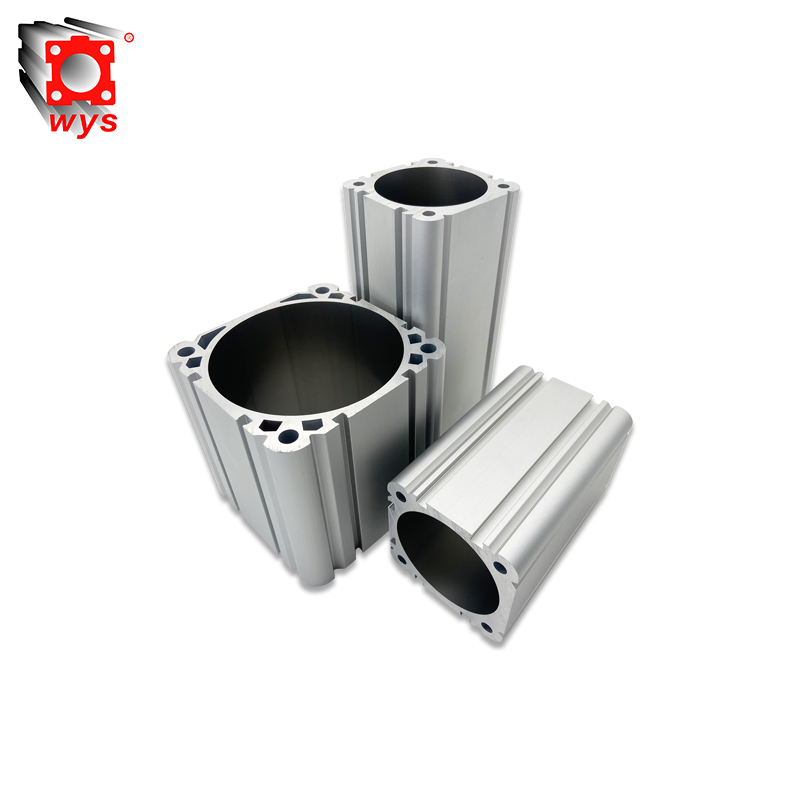
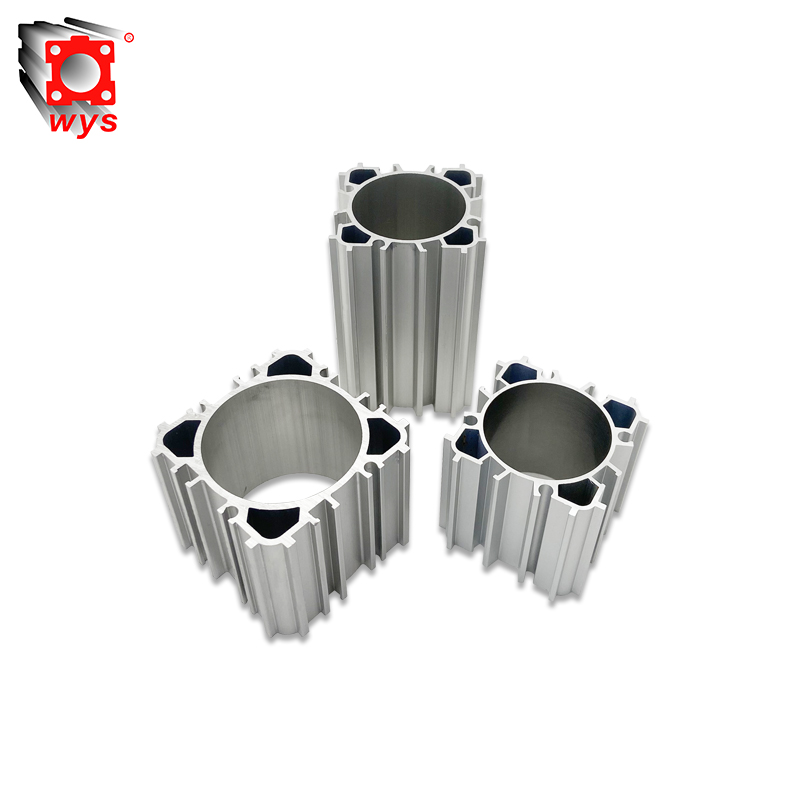
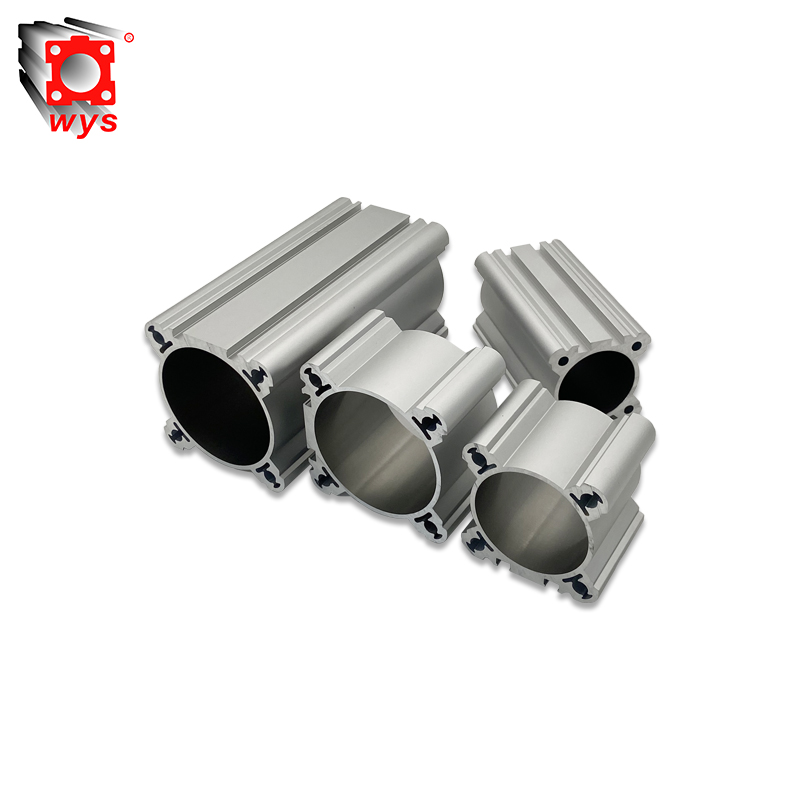
In industrial pneumatic system maintenance, a seemingly simple but easily mistaken question is frequently raised: Can hydraulic oil be added to a pneumatic cylinder barrel?
On the surface, this seems like a simple matter of choosing an oil type, but it actually involves the pneumatic cylinder barrel's structural design, sealing materials, lubrication principles, and system pressure characteristics. Incorrect oiling can lead to pneumatic cylinder barrel malfunction, seal damage, or abnormal system operation.
This article will address this question systematically, professionally, and logically from multiple perspectives, including principle analysis, oil characteristics, risk factors, and operating procedures, helping you fully understand why hydraulic oil is not suitable for pneumatic cylinder tubes.
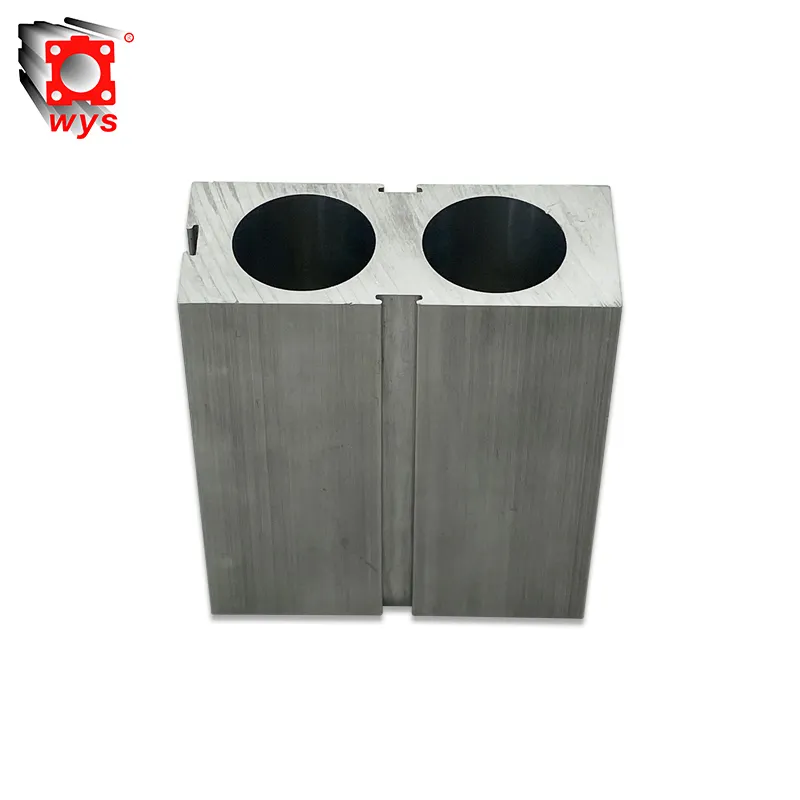
What is a pneumatic cylinder barrel? Why is oil selection critical?
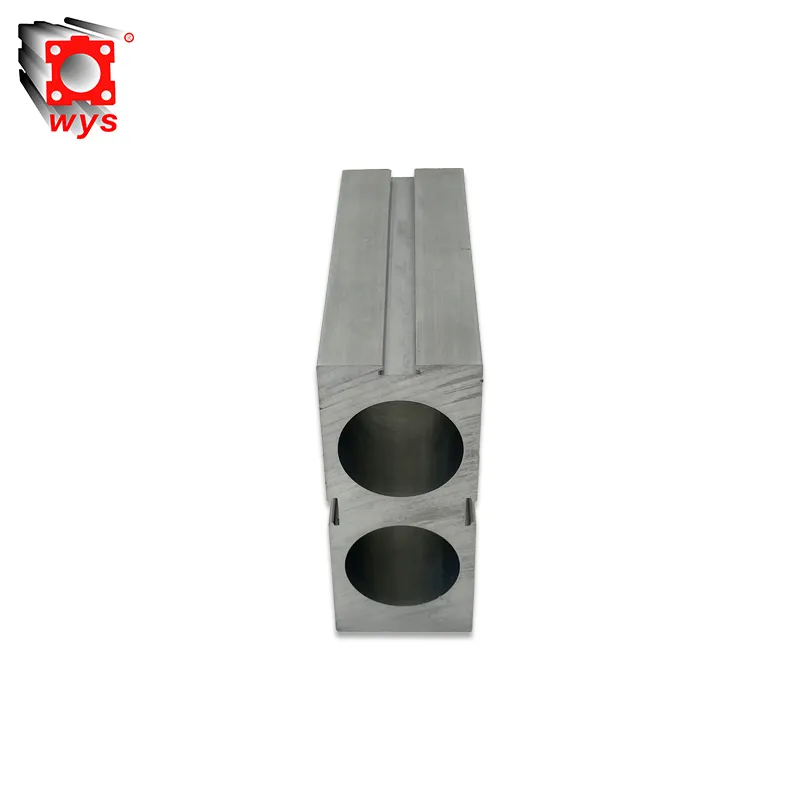
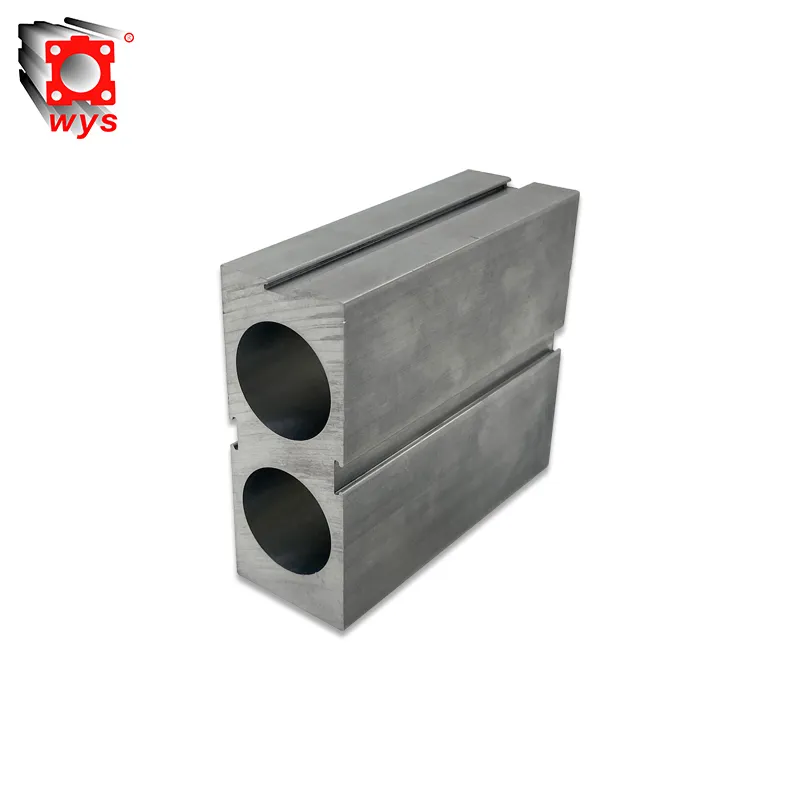
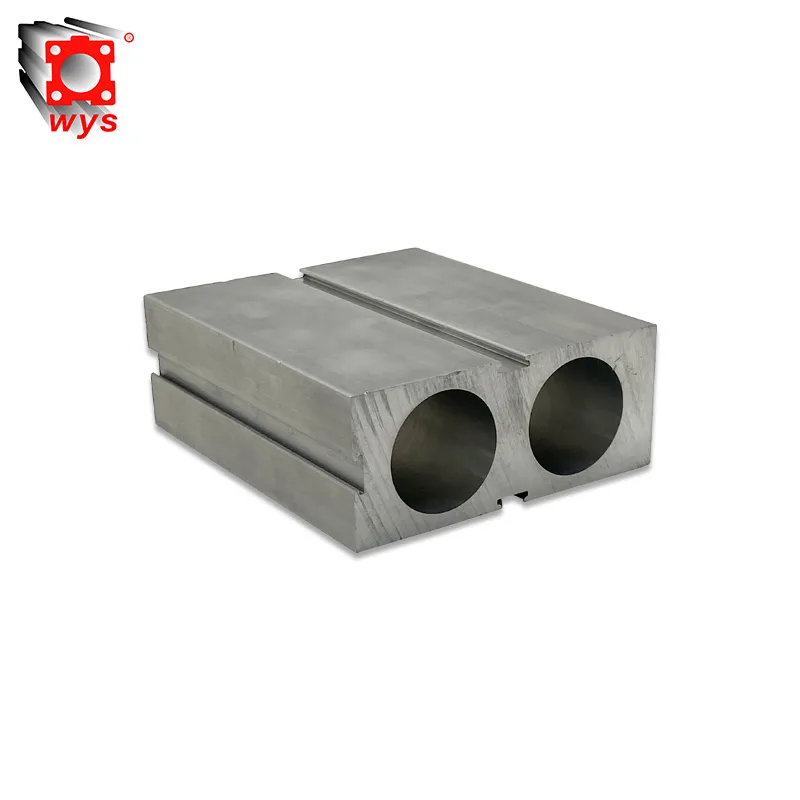
The pneumatic cylinder barrel is the core actuator of a pneumatic system. It uses compressed air to drive a piston, achieving the output of mechanical energy. The internal structure of a pneumatic cylinder barrel includes:
• Cylinder body: withstands compressed air pressure and forms a sealed cavity.
• Piston and piston rod: responsible for converting air pressure into mechanical thrust.
• Seals: ensure no gas leakage and maintain airtightness.
Pneumatic cylinder tubes are structurally similar to hydraulic cylinders, but their working media differ:
• Pneumatic cylinder tubes use compressed air.
• Hydraulic cylinders use hydraulic oil.
Therefore, the choice of oil directly affects the airtightness, friction characteristics, and seal life of the pneumatic cylinder barrel.
What are the fundamental differences between hydraulic oil and pneumatic lubricating oil?
To understand why hydraulic oil cannot be directly added to a pneumatic cylinder barrel, we need to compare their key characteristics:
Properties | Hydraulic oil | Pneumatic Lubricating Oil |
| Viscosity | High pressure, suitable for hydraulic systems under pressure | Low viscosity, easily atomized and distributed with air |
| Oil film formation | Stable thick oil film, suitable for hydraulic pistons | Forms a thin oil film, ensuring low friction and sealing performance |
| Material compatibility | Relatively tolerant of seals | Specifically designed for pneumatic sealing materials, preventing expansion or hardening |
| Media transport | Not easily compressible | Air is compressible; the lubricating oil needs to be atomized and carried by the airflow |
It can be seen that hydraulic oil has high viscosity and poor atomization, making it unsuitable for the low-viscosity oil mist lubrication conditions inside a pneumatic cylinder tube.
What problems will occur if hydraulic oil is added to a pneumatic cylinder tube?
1. Seal expansion or damage
Pneumatic cylinder tube seals are typically made of materials such as nitrile rubber and polyurethane, which are adapted for pneumatic lubrication. Adding hydraulic oil may cause the following:
• Seal expansion and deformation
• Hardening of the sealing surface
• Piston jamming or leakage
2. Increased friction and unstable piston movement
High-viscosity hydraulic oil cannot be evenly distributed with compressed air, leading to:
• Increased piston movement resistance
• Uneven stroke
• Slow or jerky movement
3. Internal contamination of the pneumatic cylinder barrel
Hydraulic oil is not easily atomized by air, easily forming sludge inside the cylinder, resulting in:
• Increased wear on the inner wall
• Reduced airtightness
• Uneven lubrication
4. Decreased system efficiency
After hydraulic oil is added to the pneumatic cylinder tube, air pressure cannot effectively drive the piston, causing:
• Decreased output force
• Slower system response speed
• Increased energy consumption
Are there compatible hydraulic oils?
Theoretically, some special low-viscosity hydraulic oils may be compatible with the sealing materials of the pneumatic cylinder tube, but in engineering practice, most hydraulic oils are still unsuitable for pneumatic cylinder tubes. Reasons include:
• Viscosity still exceeds the requirements of pneumatic systems
• Difficulty in forming a uniform oil mist
• Long-term use can easily lead to aging or leakage of seals
Therefore, to ensure stable performance of the pneumatic cylinder tube, a pneumatic-specific lubricant should be used.
Function and Characteristics of Pneumatic Cylinder Barrel Lubricant
Function
• Forms a thin oil film between the cylinder wall and the piston
• Reduces friction and wear
• Protects seals
• Improves piston movement smoothness and system efficiency
Characteristics
• Low viscosity, easily atomized with air
• Friendly to sealing materials, does not cause expansion or hardening
• Does not easily form sludge or carbon deposits
• Suitable for low-pressure air systems
These characteristics are fundamentally different from hydraulic oil; therefore, hydraulic oil cannot replace pneumatic oil.
Is it possible to completely omit lubricant in a pneumatic cylinder barrel?
In recent years, some maintenance-free pneumatic cylinder barrel designs have emerged, characterized by:
• Self-lubricating seals or low-friction coatings
• Factory pre-lubrication
• No additional lubrication required during design life
However, even so, these pneumatic cylinder barrels cannot use hydraulic oil, as this will damage the sealing materials and pre-lubrication effect.
Take Action If Hydraulic Oil is Accidentally Added to a Pneumatic Cylinder Barrel
If hydraulic oil is found in the pneumatic cylinder tube, the following measures are recommended:
1. Immediately stop system operation
Prevent further damage to seals by the hydraulic oil.
2. Disassemble the pneumatic cylinder tube and clean the interior
Use a pneumatic-specific cleaner to remove hydraulic oil residue.
3. Replace the seals
The hydraulic oil may have caused the seals to swell or harden.
4. Refill with pneumatic-specific lubricating oil
Restore normal lubrication conditions to the pneumatic cylinder tube.
5. Test run the system
Check piston movement smoothness, airtightness, and output force.
Why can't hydraulic oil be used directly in pneumatic systems?
The technical principles can be summarized as follows:
1. Viscosity mismatch: Hydraulic oil is too viscous and cannot distribute with air.
2. Incompatible sealing materials: Hydraulic oil may damage pneumatic seals.
3. Different lubrication mechanisms: Pneumatic cylinder tubes rely on a thin oil mist film, not a thick oil film.
4. Reduced system efficiency: Hydraulic oil increases piston movement resistance.
Therefore, in engineering practice, adding hydraulic oil directly to a pneumatic cylinder tube is an incorrect operation because the hydraulic oil and the pneumatic cylinder barrel's requirements are incompatible.
Can hydraulic oil be added to a pneumatic cylinder barrel?
• Hydraulic oil is not suitable for use in pneumatic cylinder barrels.
• Hydraulic oil has high viscosity, poor atomization, and low seal compatibility.
• Incorrect use of hydraulic oil can lead to seal damage, increased movement resistance, and pneumatic cylinder barrel leakage.
• Pneumatic cylinder barrels should use pneumatic-specific lubricating oil or be maintained according to the factory pre-lubrication requirements.
• Hydraulic oil should not be used in maintenance-free pneumatic cylinder tubes.
A correct understanding of oil selection principles is key to ensuring long-term stable operation of pneumatic cylinder tubes, extending their lifespan, and maintaining system efficiency.
Why trust Weiyingjia for purchasing pneumatic cylinders?
Weiyingjia has specialized in aluminum alloy pneumatic cylinders and components for over 15 years. Our factory features 10,000 square meters of production space, six advanced lines, and more than 100 skilled technicians. Each product undergoes rigorous quality inspections, including polishing, hard anodizing, and CNC precision machining. By choosing Weiyingjia, buyers secure high-quality, durable, and energy-efficient pneumatic cylinders and components at competitive prices for both wholesale and branded projects.