

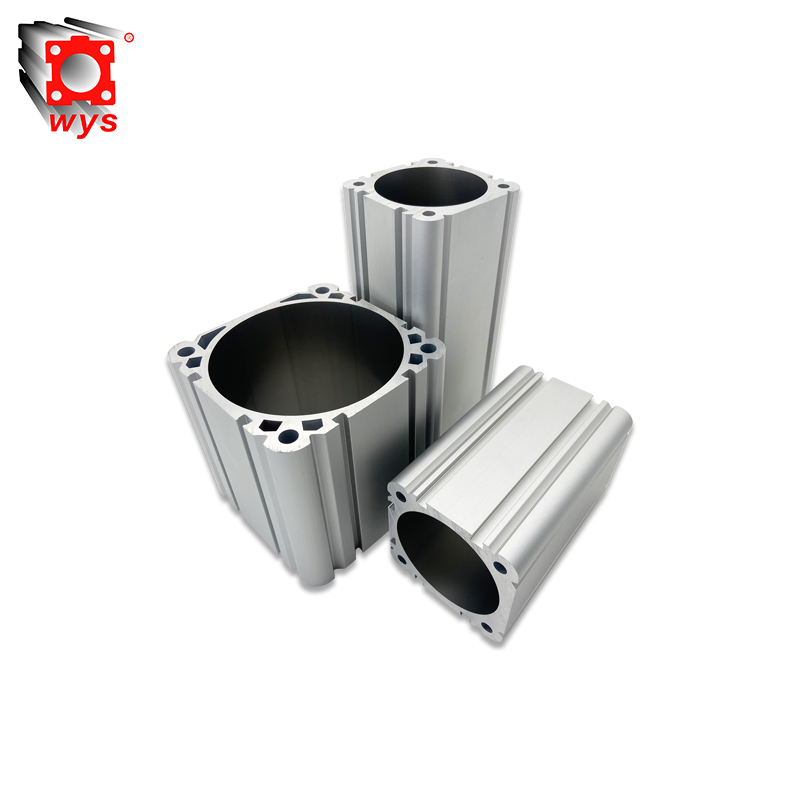
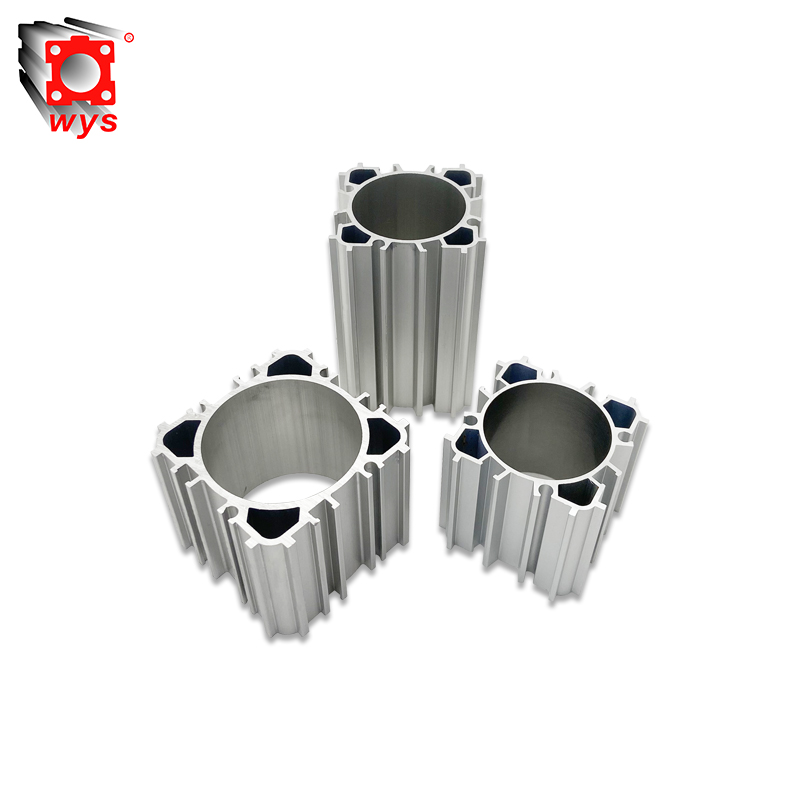
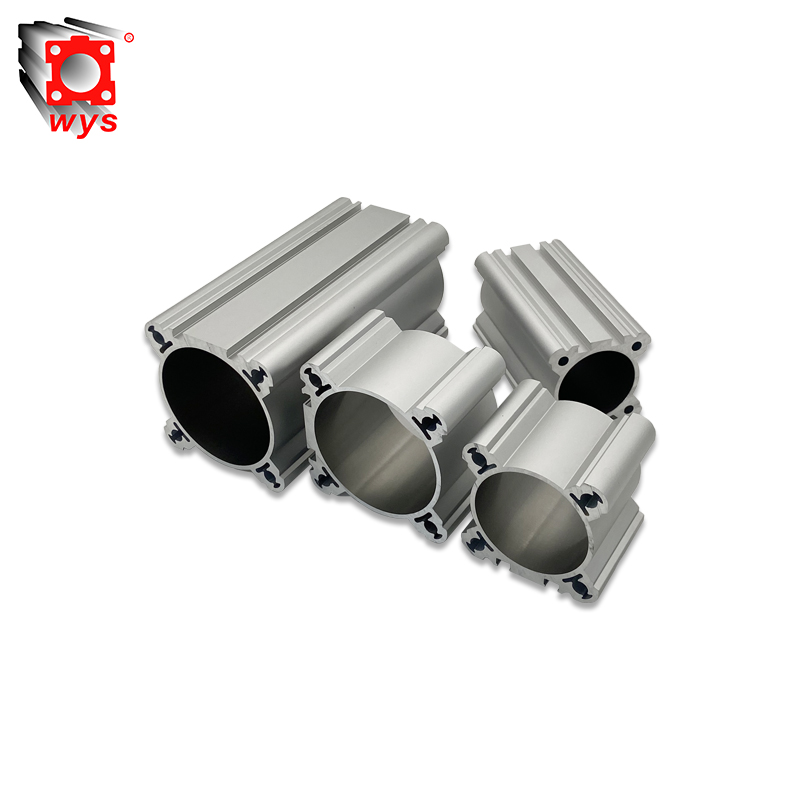
In the field of industrial automation and mechanical equipment, pneumatic actuators are key components for achieving linear reciprocating motion. Within the cylinder structure system, pneumatic cylinder kits, as an important product form, are being increasingly adopted by equipment manufacturers and maintenance personnel.
So, what are pneumatic cylinder repair kits? What components do they include? How do they differ from a complete cylinder? In which scenarios are pneumatic cylinder repair kits suitable?
This article will systematically and professionally analyze the core keyword "pneumatic cylinder kit," helping you fully understand its definition, structural composition, functional principles, and application value.
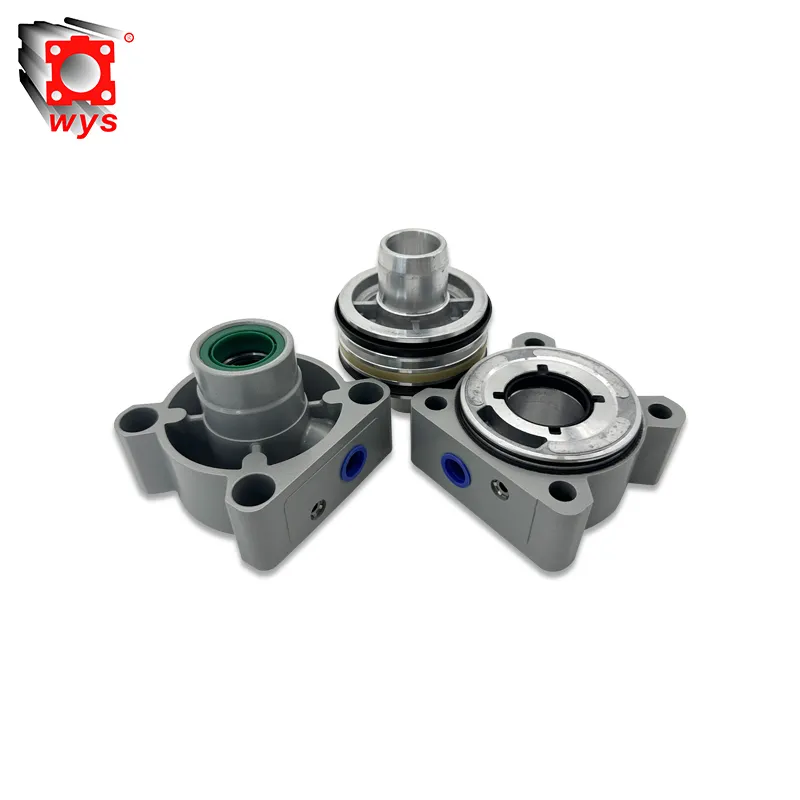
What are Pneumatic Cylinder Kits?
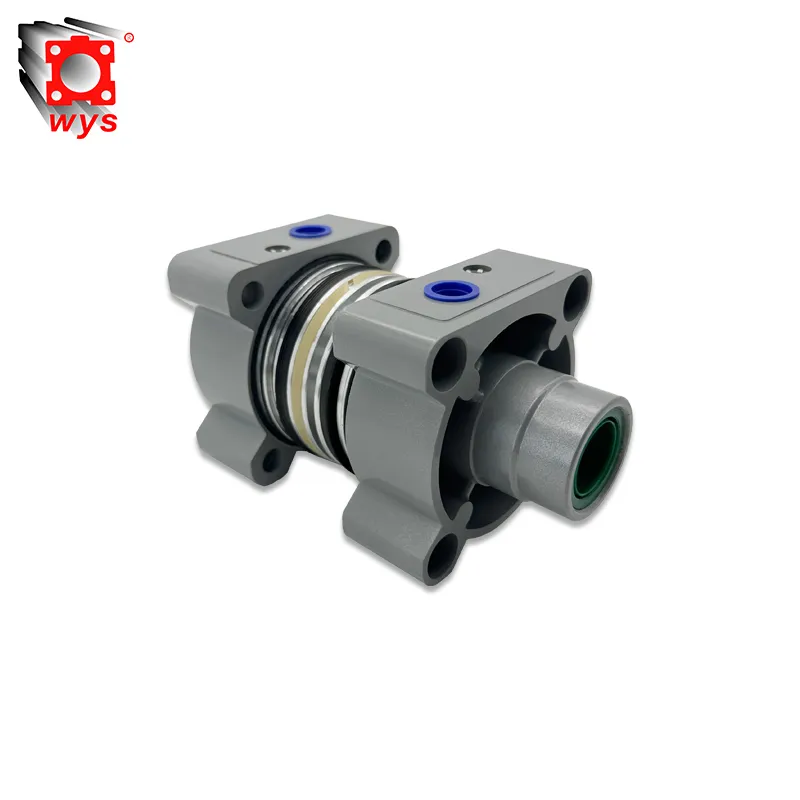
Structurally, a pneumatic cylinder kit refers to a complete set of core components used to assemble a pneumatic cylinder, rather than a fully assembled finished cylinder.
In simple terms:
A pneumatic cylinder kit = a collection of key components that make up a cylinder (not fully assembled).
Typically, a pneumatic cylinder kit includes:
• Cylinder barrel
• Piston
• Piston rod
• Front and rear end caps
• Sealing ring assembly
• Buffer structure
• Fixing bolts or tie rods
Therefore, a pneumatic cylinder kit is essentially an "assembleable cylinder core component package."
What are the core components of a pneumatic cylinder kit?
To understand pneumatic cylinder kits in depth, we must start by analyzing their internal structural composition.
1. Cylinder Barrel
The pneumatic cylinder barrel is the main structural component of the pneumatic cylinder kit, responsible for:
• Bearing pressure
• Guiding piston movement
• Forming the internal sealing space
Pneumatic cylinder barrels are typically machined from aluminum alloy or steel, with precision-processed inner walls to ensure smooth piston operation.
The pneumatic cylinder barrel in a pneumatic cylinder kit must have excellent roundness, straightness, and surface roughness control; otherwise, the performance of the entire cylinder system will be affected.
2. Piston Assembly
The piston, located inside the pneumatic cylinder, is the key component converting pneumatic energy into mechanical thrust.
The piston in a pneumatic cylinder assembly typically includes:
• Piston body
• Piston seal
• Guide ring
The piston reciprocates within the pneumatic cylinder, with the seal separating the front and rear chambers to achieve double-acting or single-acting motion.
3. Piston Rod
The piston rod connects the piston to the external load and is the output structure that converts the internal pressure of the pneumatic cylinder into external mechanical force.
The piston rod in a pneumatic cylinder assembly typically requires:
• Chrome plating or hardening treatment
• High straightness
• Wear and corrosion resistance
4. End Cap Assembly
The end cap seals both ends of the pneumatic cylinder, forming a sealed cavity.
The end caps in a pneumatic cylinder assembly typically include:
• Front end cap (rod side)
• Rear end cap (rodless side)
A seal ring structure is typically used between the end cap and the pneumatic cylinder to ensure airtightness.
5. Sealing System
The sealing system in a pneumatic cylinder kit includes:
• Piston seal
• Piston rod seal
• Dust seal
• O-ring
The sealing system determines the sealing performance and lifespan of the cylinder after assembly.
What is the difference between a pneumatic cylinder kit and a complete cylinder?
This is one of the most frequently asked questions by users.
The main differences are as follows:
1. Different Assembly States
• Pneumatic Cylinder Kit: Not fully assembled; requires user assembly.
• Complete Cylinder: Fully assembled and tested before leaving the factory.
2. Different Usage Methods
Pneumatic cylinder kits are more suitable for:
• Custom production
• Equipment manufacturers
• Repair and replacement
Complete cylinders are more suitable for direct end-user installation.
3. Different Flexibility
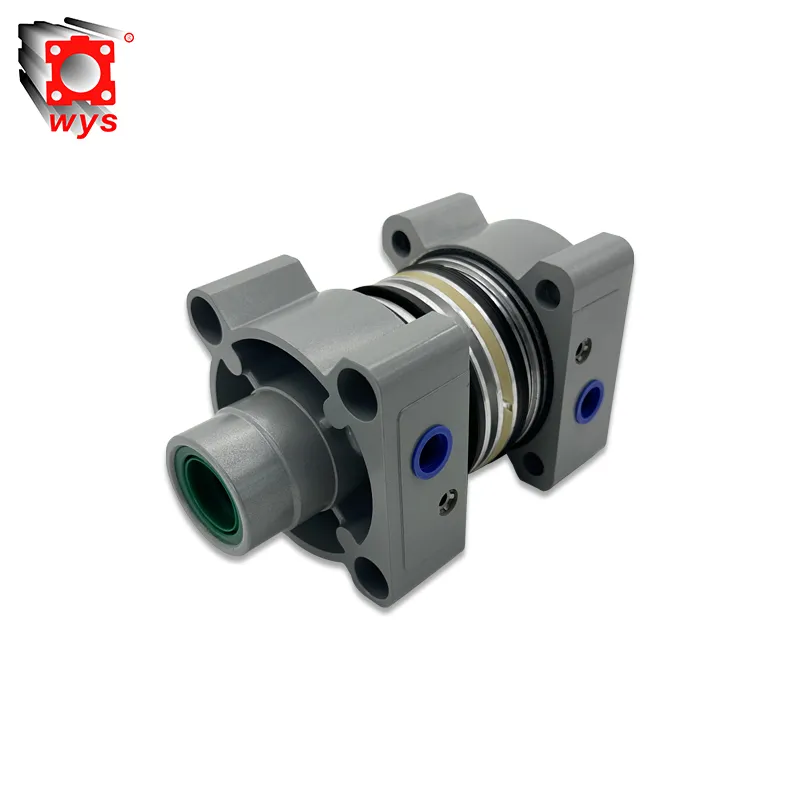
Pneumatic cylinder repair kits offer greater flexibility in stroke, installation method, and interface position, allowing for adjustments based on needs.
Why use a pneumatic cylinder kit?
The main reasons for using pneumatic cylinder kits include the following:
1. Reduced Inventory Costs
For equipment manufacturers, purchasing pneumatic cylinder repair kits allows for assembly based on actual order requirements, reducing finished product inventory pressure.
2. Easy Maintenance and Replacement
When the pneumatic cylinder barrel or seals are damaged, individual components in the pneumatic cylinder kit can be replaced directly, without replacing the entire cylinder.
3. Flexible Customization
Pneumatic cylinder kits can be combined according to different cylinder diameters, strokes, and installation methods.
What types of cylinders are suitable for pneumatic cylinder kits?
Pneumatic cylinder kits can be adapted to various cylinder structures, including:
• Single-acting cylinders
• Double-acting cylinders
• Connector-type cylinders
• Compact cylinders
Different types of pneumatic cylinder repair kits will have different internal pneumatic cylinder barrels and sealing structures.
How do pneumatic cylinder kits work?
After being assembled into a complete cylinder, the pneumatic cylinder kit operates on the same principle as a standard cylinder:
1. Compressed air enters the pneumatic cylinder barrel.
2. Air pressure drives the piston.
3. The piston outputs mechanical force through the piston rod.
4. Exhaust is achieved from the other side.
The pneumatic cylinder barrel in the kit is responsible for forming a sealed cavity, allowing pressure to be established stably.
What technical parameters should be considered when selecting a pneumatic cylinder kit?
When selecting a pneumatic cylinder kit, the following should be emphasized:
• Cylinder diameter
• Stroke length
• Cylinder barrel material
• Seal material
• Working pressure range
• Mounting interface specifications
Among these, the machining accuracy and material properties of the pneumatic cylinder barrel directly determine the quality of the entire pneumatic cylinder kit.
How is the sealing performance of the pneumatic cylinder kit guaranteed?
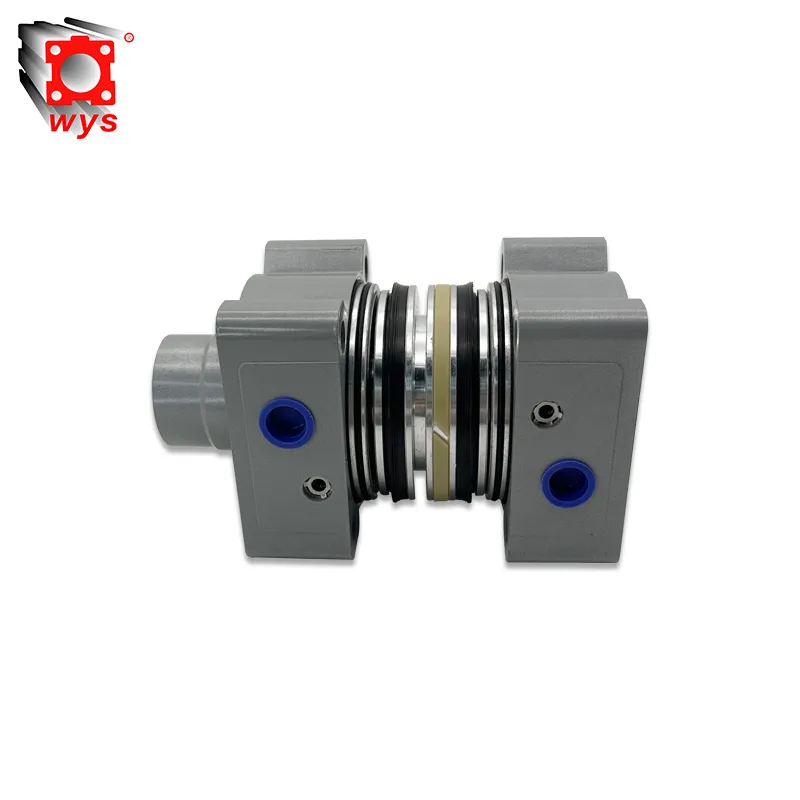
The sealing performance of a pneumatic cylinder kit depends on:
• Cylinder barrel inner wall smoothness
• Seal ring compression ratio
• Assembly accuracy
• End cap structure design
Only when all components of the pneumatic cylinder kit are well-matched can the assembled cylinder guarantee a stable sealing effect.
Is a pneumatic cylinder kit more complex than a pre-assembled cylinder?
From an assembly perspective, pneumatic cylinder kits do require a certain level of technical skill.
When assembling a pneumatic cylinder kit, the following should be noted:
• Seal installation direction
• Cleanliness of the pneumatic cylinder barrel inner wall
• Uniform bolt preload
• Piston coaxiality
However, from a system design perspective, pneumatic cylinder repair kits actually offer greater flexibility.
Can individual components of a pneumatic cylinder kit be replaced?
Yes.
A major advantage of pneumatic cylinder repair kits is their modular design. The cylinder barrel, piston rod, seals, etc., can all be replaced individually.
This makes maintenance more economical and avoids excessive downtime for the entire system.
What is a pneumatic cylinder kit?
In summary, we can conclude that:
1. A pneumatic cylinder kit is a complete assembly package consisting of a pneumatic cylinder barrel, piston, piston rod, end cap, and sealing system.
2. A pneumatic cylinder kit is not a finished cylinder, but rather a combination of core components that can be assembled independently.
3. Pneumatic cylinder kits offer greater flexibility and ease of maintenance.
4. As the core component of a pneumatic cylinder kit, the pneumatic cylinder barrel directly determines the overall performance and sealing effect.
5. Proper selection and assembly of pneumatic cylinder repair kits are crucial for ensuring the stable operation of pneumatic systems.
Can Weiyingjia handle large-scale orders?
Yes, as a manufacturer and supplier with 15+ years of experience, Weiyingjia has the capacity to fulfill large wholesale orders. Our factory is equipped with six production lines, advanced CNC machines, and ten testing devices. Buyers purchasing in bulk benefit from our strict quality control, competitive prices, and reliable delivery.