

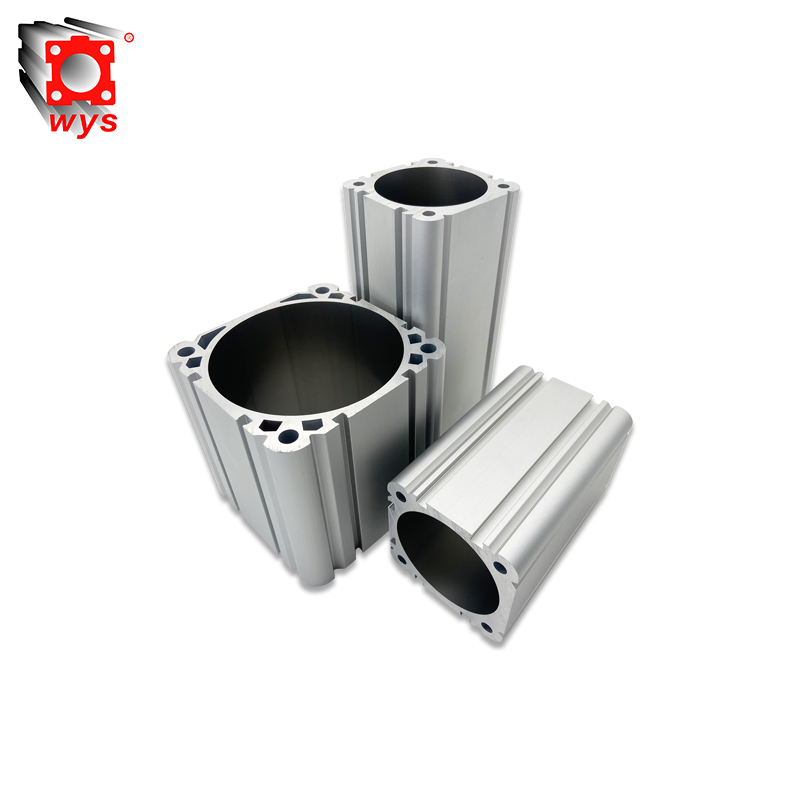
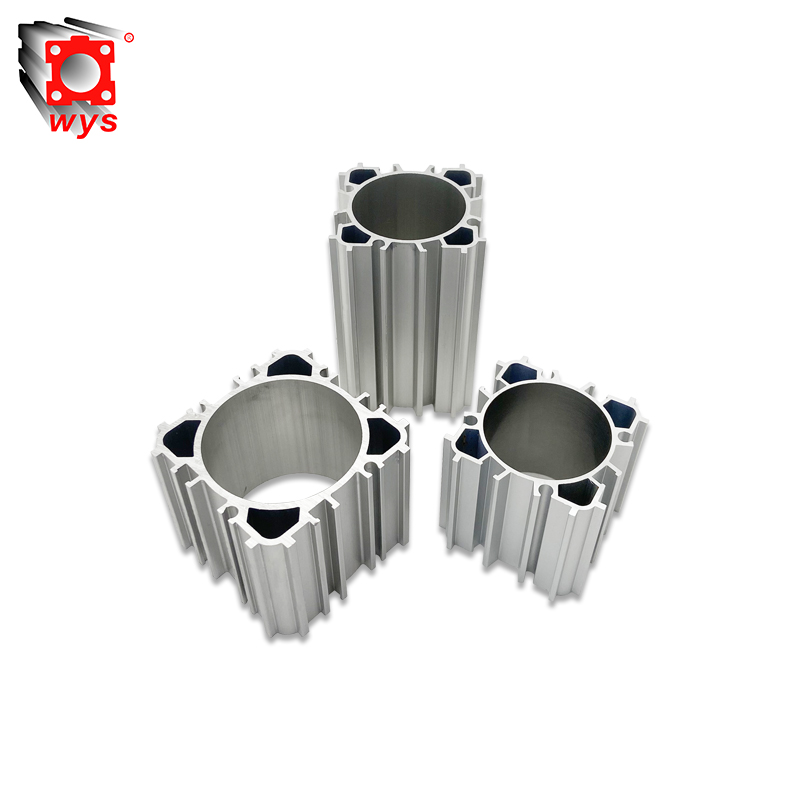
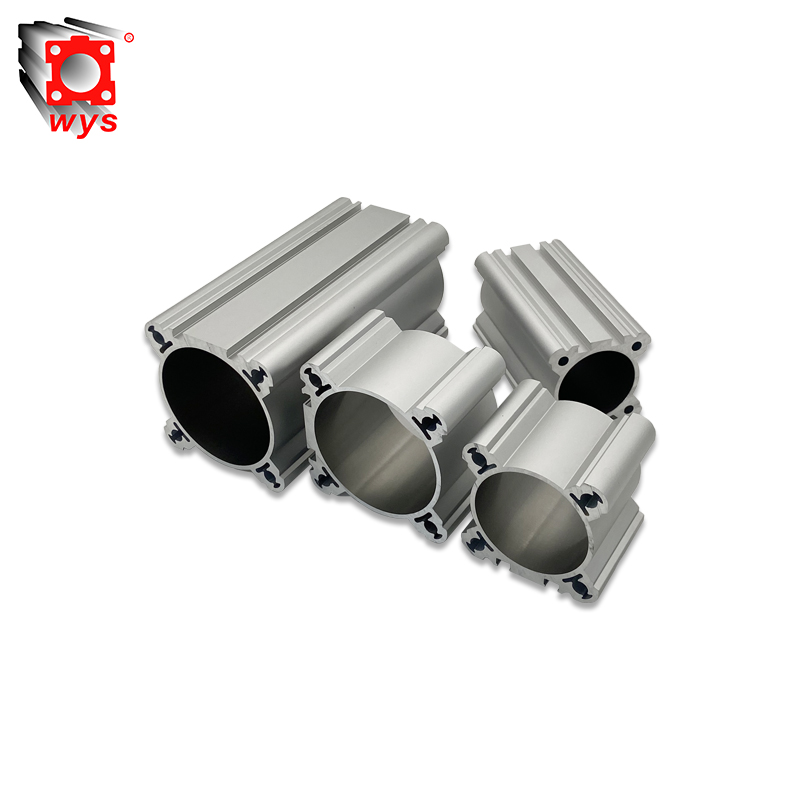
In pneumatic automation equipment, cylinders are very common actuators. They use compressed air to drive a piston, producing linear motion to achieve functions such as pushing, pulling, clamping, or positioning. When selecting cylinders, many engineers focus on a key parameter—the cylinder bore.
Many believe that a larger cylinder bore means greater output power. This understanding holds true in some cases, but from the perspective of the overall design of a pneumatic system, this view is not entirely accurate.
This article will systematically explain the question, "Does a larger cylinder bore always mean greater power?" and delve into the crucial role of the pneumatic cylinder barrel in cylinder performance.
What does cylinder bore refer to?
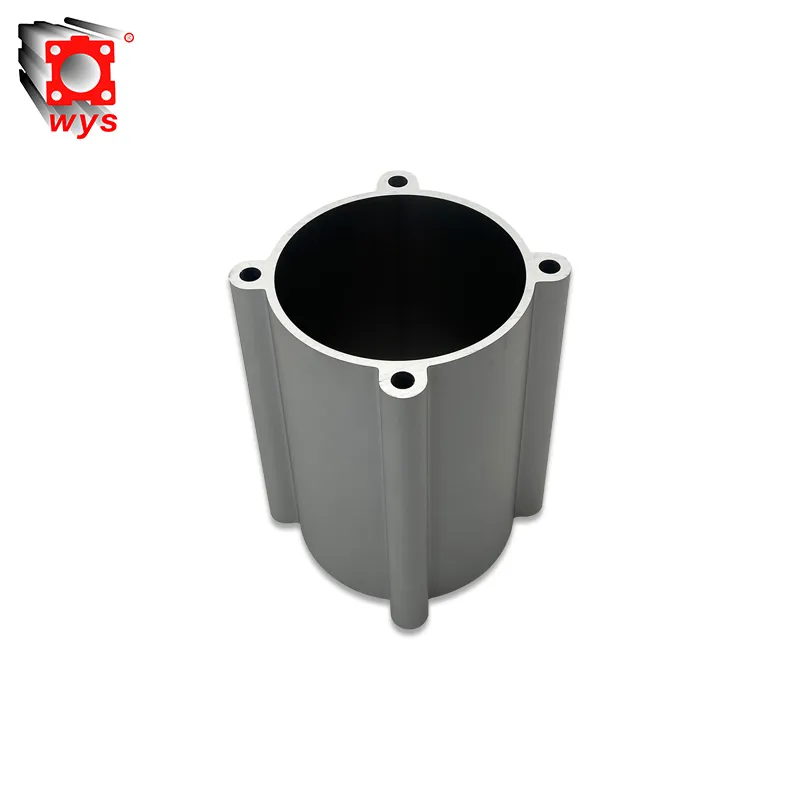
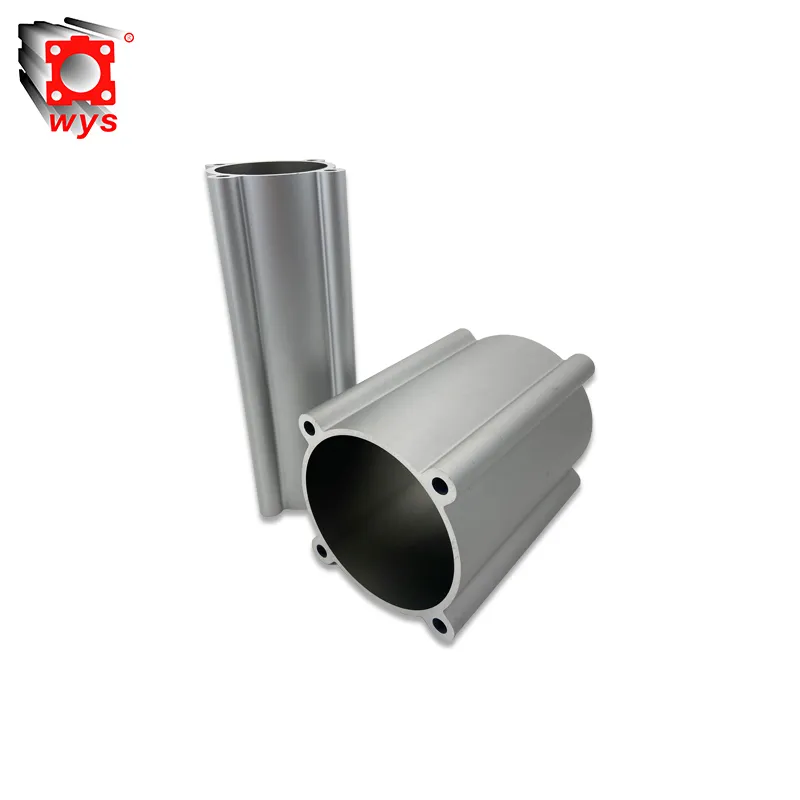
In a pneumatic system, the cylinder bore (Bore) refers to the diameter of the inner cylinder, that is, the inner diameter of the pneumatic cylinder barrel.
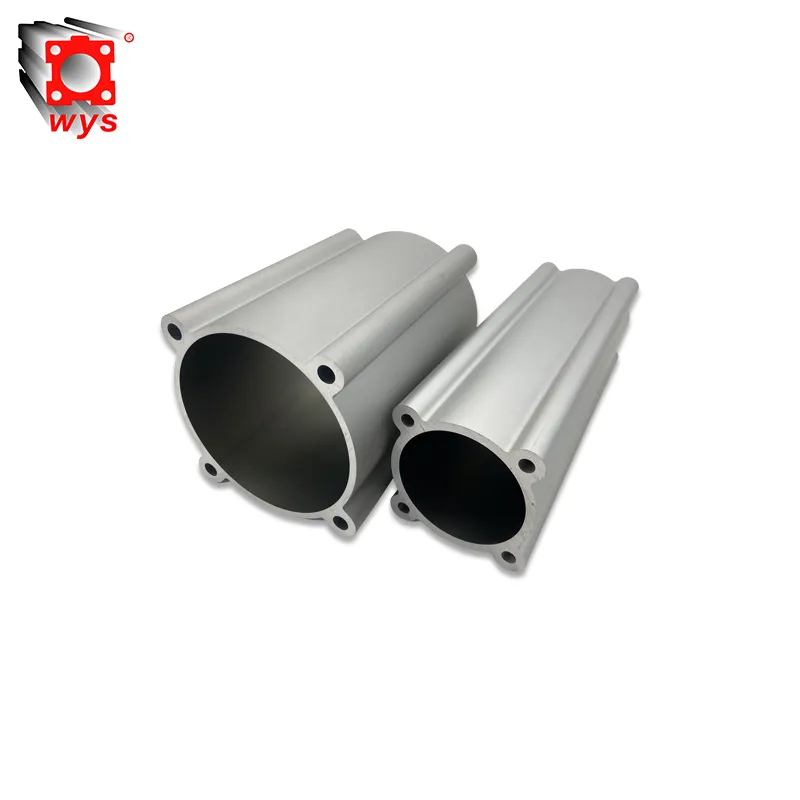
The pneumatic cylinder barrel is the main structure of the cylinder, forming the space for piston movement. The internal structure of a pneumatic cylinder barrel is typically precision-machined to ensure:
• Smooth inner walls
• Precise roundness
• Stable straightness
The cylinder bore is essentially the diameter between the inner walls of the pneumatic cylinder barrel.
Common cylinder bore specifications include:
• 16mm
• 20mm
• 25mm
• 32mm
• 40mm
• 50mm
• 63mm
• 80mm
• 100mm
Different equipment will select different specifications of pneumatic cylinder barrels based on load requirements.
Does a larger cylinder bore mean greater output force?
From a pneumatic principle perspective, cylinder output force is indeed related to the cylinder bore, and the relationship is very direct.
The formula for calculating cylinder output force is:
F = P × A
Where:
• F = Output force
• P = Working pressure
• A = Effective piston area
The effective piston area is determined by the cylinder bore of the pneumatic cylinder barrel.
The formula for calculating piston area is:
A = π × (D² / 4)
Where:
• D = pneumatic cylinder barrel diameter
This formula shows that as the diameter of the pneumatic cylinder tube increases, the piston area increases accordingly, thus increasing the thrust the cylinder can generate.
Therefore, under the same air pressure conditions:
The larger the diameter of the pneumatic cylinder tube, the greater the theoretical output force of the cylinder.
However, it should be noted that this is only a theoretical relationship and does not mean that a larger diameter necessarily means greater strength or better performance.
Why is a larger cylinder diameter not necessarily more powerful?
Although the diameter of the pneumatic cylinder barrel affects the output force, the performance of the cylinder is not solely determined by the diameter.
The overall capacity of the cylinder is also affected by the following factors:
• Working pressure
• Piston rod diameter
• Stroke length
• Pneumatic cylinder barrel material
• Sealing structure
• Gas flow rate
Simply increasing the diameter of the pneumatic cylinder barrel without considering other factors will not result in a significant improvement in cylinder performance.
How does the size of the pneumatic cylinder tube affect cylinder speed?
Many people only focus on cylinder thrust, neglecting the crucial parameter of speed.
When the diameter of the pneumatic cylinder tube increases, the piston area increases, which also means:
The volume of air required per unit stroke increases.
This leads to several effects:
1. Increased air consumption
2. Increased air supply load
3. Potential decrease in cylinder speed
For example, when the diameter of the pneumatic cylinder tube doubles, the piston area increases approximately fourfold, meaning the cylinder requires more air to complete the same movement.
Therefore, a larger cylinder diameter does not necessarily equate to higher efficiency.
Does a larger pneumatic cylinder tube mean greater structural stability?
From a structural perspective, increasing the size of the pneumatic cylinder barrel offers certain stability advantages, but it also introduces new problems.
A larger pneumatic cylinder tube typically means:
• Heavier structure
• Larger equipment size
• Increased installation space requirements
Furthermore, as the pneumatic cylinder barrel diameter increases, the load on the piston rod may also increase. If the piston rod design is inadequate, it may actually reduce overall stability.
Therefore, the pneumatic cylinder barrel size must be properly matched to the piston rod size.
Does the pneumatic cylinder barrel diameter affect cylinder energy consumption?
Energy consumption is a crucial consideration in pneumatic system design.
A larger pneumatic cylinder barrel diameter means:
• More compressed air consumed per operation
• Higher load on the air supply system
If the equipment operates frequently, a large-diameter pneumatic cylinder barrel can lead to a significant increase in air consumption, thereby increasing operating costs.
Therefore, in many automated devices, engineers often choose the smallest pneumatic cylinder barrel size that meets the requirements.
Does the pneumatic cylinder tube diameter affect sealing performance?
Changes in the pneumatic cylinder tube diameter also affect the design of the sealing system.
When the diameter of the pneumatic cylinder tube increases:
• The diameter of the sealing ring increases
• The contact area increases
• Friction may increase
If the machining precision of the inner wall of the pneumatic cylinder barrel is insufficient, large-diameter pneumatic cylinder barrels are more prone to the following problems:
• Seal leakage
• Increased wear
• Increased operating resistance
Therefore, large-diameter pneumatic cylinder barrels require higher machining precision.
Is it reasonable to only consider the diameter of the pneumatic cylinder tube when selecting a cylinder?
In the cylinder selection process, focusing solely on the diameter of the pneumatic cylinder tube is insufficient.
Proper selection typically requires consideration of the following parameters:
1. Load weight
2. Working pressure
3. Movement speed
4. Mounting method
5. Stroke length
6. Piston rod strength
The pneumatic cylinder barrel is only one part of the cylinder structure; it needs to be matched with the entire system.
Does the material of the pneumatic cylinder tube affect cylinder performance?
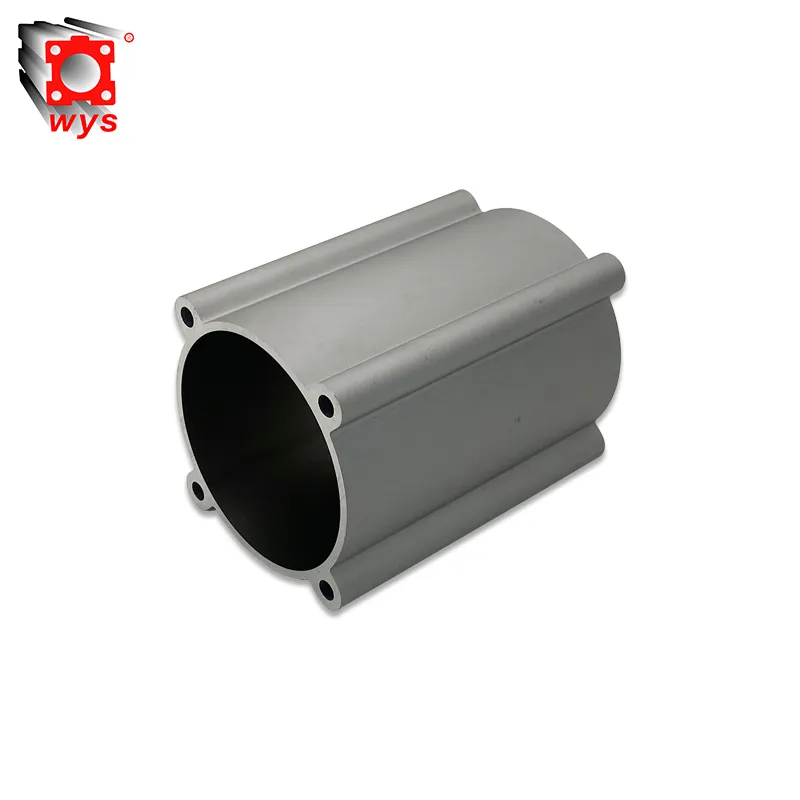
Besides size, the material of the pneumatic cylinder tube is equally important.
Common pneumatic cylinder tube materials include:
• Aluminum alloy
• Stainless steel
• Carbon steel
Different materials used for pneumatic cylinder barrels will differ in the following aspects:
• Strength
• Weight
• Corrosion resistance
• Surface treatment quality
Even if two pneumatic cylinder tubes have the same diameter, their performance may differ significantly if the materials are different.
How to rationally select the diameter of a pneumatic cylinder barrel?
In engineering design, the diameter of a pneumatic cylinder barrel is usually determined through calculation.
The basic steps include:
1. Determine the load weight
2. Determine the system operating pressure
3. Calculate the required output force
4. Calculate the piston area using the formula
5. Select a suitable pneumatic cylinder barrel diameter
In practical applications, a certain safety margin must be reserved to ensure long-term stable operation of the cylinder.
Does the size of the pneumatic cylinder tube affect the overall design of the equipment?
In automated equipment, the pneumatic cylinder tube not only affects cylinder performance but also the structural layout of the equipment.
A larger pneumatic cylinder tube can have the following effects:
• Increased equipment size
• Increased installation space
• Reinforced support structure
Therefore, during the equipment design phase, engineers typically seek a balance between pneumatic cylinder barrel size, thrust requirements, and space constraints.
Does a larger cylinder bore necessarily mean greater power?
While a larger cylinder bore theoretically results in greater output force under the same air pressure, it doesn't necessarily mean that the overall cylinder performance is stronger.
Cylinder performance depends not only on the pneumatic cylinder tube bore but is also affected by the following factors:
• Operating pressure
• Pneumatic cylinder tube machining precision
• Piston rod structure
• Sealing system design
• Air source flow capacity
A well-designed pneumatic system requires a balance between thrust, speed, energy consumption, and structural dimensions.
Does Weiyingjia offer full-range pneumatic components?
Yes. Weiyingjia manufactures aluminum cylinder barrels, cylinder kits, liners, seal rings, and other pneumatic accessories. Our factory employs 100+ technicians, five quality inspection teams, and advanced testing machines to ensure product reliability. Buyers purchasing from our company benefit from high-quality, durable components at competitive prices. Wholesale, brand, and bulk buyers trust Weiyingsi for precise, energy-efficient, and long-lasting pneumatic solutions.