

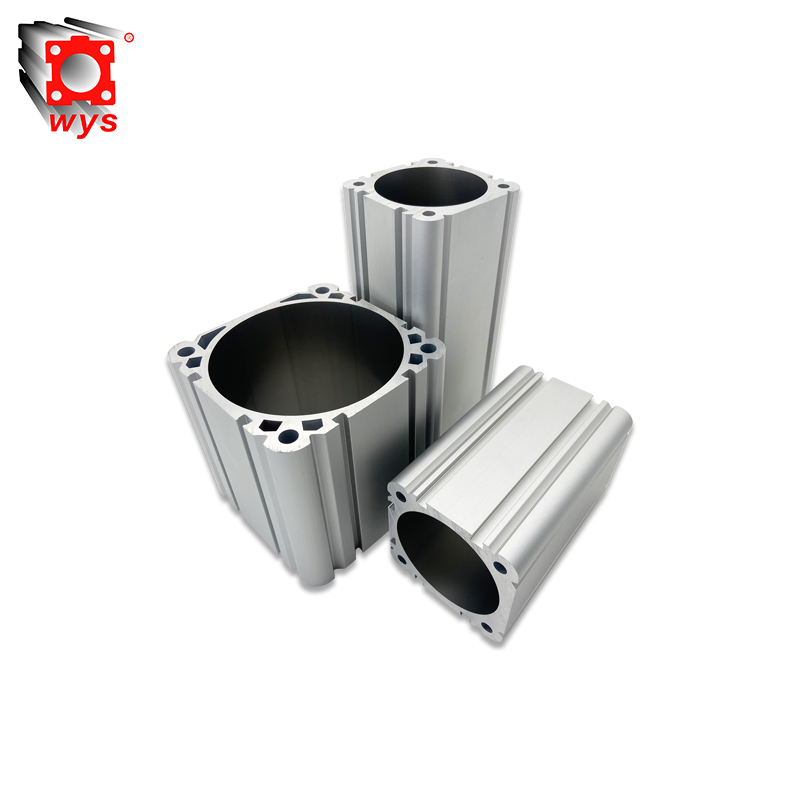
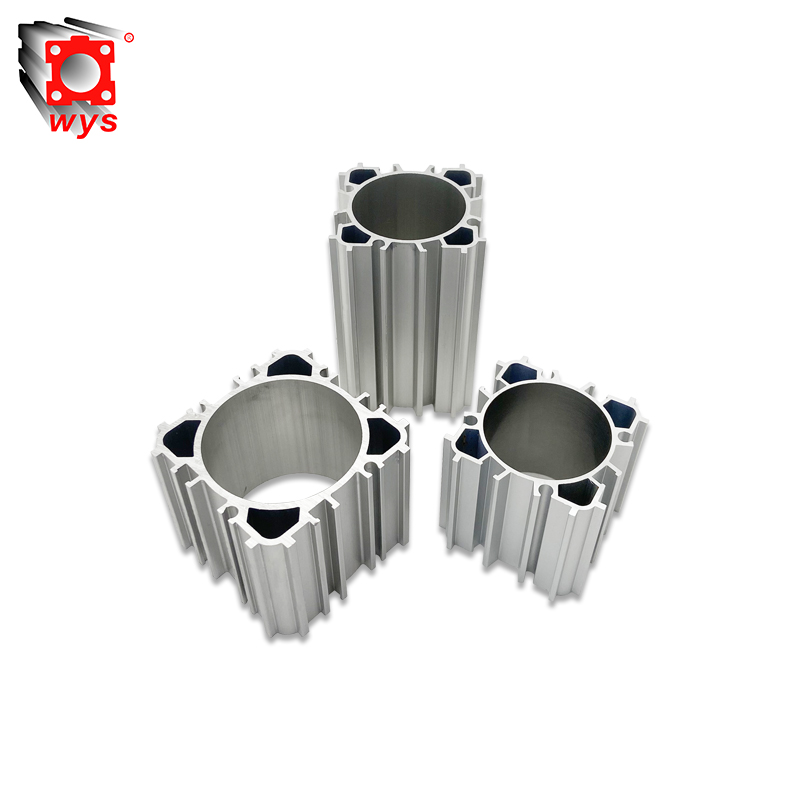
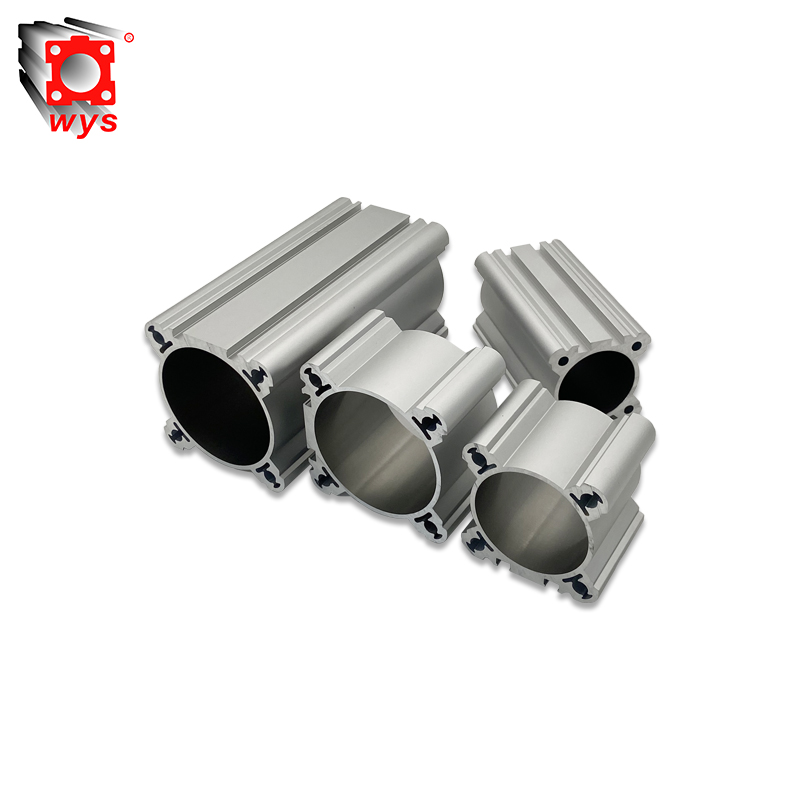
In pneumatic systems, the cylinder is the core actuator that achieves linear motion, and the pneumatic cylinder barrel is a key component of the cylinder structure. The pneumatic cylinder barrel not only provides movement space for the piston but also plays a crucial role in maintaining a sealed environment and withstanding air pressure.
During actual use, scratches may appear on the inner wall of the pneumatic cylinder barrel due to friction, contaminant entry, or improper maintenance. Many people may think that minor scratches won't cause serious problems, but in reality, once the inner wall of the pneumatic cylinder barrel is damaged, its impact often accumulates gradually and amplifies.
So, what are the specific effects of scratches on the inner wall of the pneumatic cylinder tube? How does it affect cylinder operation, sealing performance, and equipment lifespan?
This article will analyze the impact mechanism of scratches on the inner wall of the pneumatic cylinder tube from multiple perspectives to help readers fully understand this common issue.
Why is the inner wall of the pneumatic cylinder barrel so important?
Inside the cylinder, the inner wall of the pneumatic cylinder barrel is in direct contact with the piston and seals, making it a high-frequency friction area.
The inner wall of a pneumatic cylinder barrel typically needs to possess the following characteristics:
• High smoothness
• Good wear resistance
• Precise dimensional geometry
These characteristics determine the piston's movement within the pneumatic cylinder barrel.
If the inner wall of the pneumatic cylinder barrel remains in good condition, the piston moves smoothly, and the seals function properly. However, scratches on the inner wall disrupt this balance.
Do scratches on the inner wall of a pneumatic cylinder tube affect sealing performance?
This is one of the most direct and common effects.
A sealing fit is formed between the pneumatic cylinder barrel and the seals. When scratches appear on the inner wall of the pneumatic cylinder tube, the surface is no longer smooth, and the seals may not fit tightly when passing over the scratched area.
Severe scratches on the inner wall of a pneumatic cylinder tube can lead to:
• Localized seal failure
• Compressed air leakage
• Cylinder pressure drop
As the scratches worsen, the sealing performance further deteriorates, thus affecting the overall efficiency of the cylinder.
Therefore, the integrity of the inner wall of the pneumatic cylinder barrel is crucial for the sealing system.
Will scratches accelerate the wear of internal components in the pneumatic cylinder tube?
The answer is: Yes, they will significantly accelerate wear.
When scratches exist on the inner wall of the pneumatic cylinder tube, irregular bumps or grooves will form on its surface. During piston movement, these uneven areas will generate additional friction on the seals.
This can lead to:
• Scratching of the seal surface
• Increased wear of the sealing material
• Shortened seal life
The piston itself may also be affected, especially in cases of severe scratches.
Therefore, scratches on the inner wall of the pneumatic cylinder tube are not just a localized problem; they have a cascading effect on the entire internal structure of the cylinder.
Will scratches on the pneumatic cylinder tube affect the smoothness of cylinder movement?
The smoothness of cylinder movement is closely related to the condition of the inner wall of the pneumatic cylinder tube.
When the inner wall of the pneumatic cylinder tube is smooth, piston movement resistance is low, and the operation is smoother.
However, scratches can lead to the following:
• Uneven piston movement resistance
• Localized jamming
• Fluctuations in movement speed
This instability is particularly pronounced in high-frequency operating equipment.
In the long term, this unstable movement can also cause further damage to the cylinder structure.
Does scratching on the inner wall of a pneumatic cylinder barrel cause gas leakage?
Gas leakage is one of the significant problems caused by scratches on the inner wall of a pneumatic cylinder barrel.
Because scratches on the inner wall of a pneumatic cylinder barrel damage the sealing surface, when the seal passes over the scratched area, it may fail to form an effective seal, leading to compressed air leakage.
This leakage may manifest as:
• Continuous minor leakage
• Increased localized leakage
• Drop in system pressure
In the long term, this leakage also increases air consumption and reduces the efficiency of the pneumatic system.
Therefore, scratches on the inner wall of a pneumatic cylinder barrel have a significant impact on airtightness.
Does scratching affect the structural strength of a pneumatic cylinder barrel?
In most cases, minor scratches primarily affect surface properties, with limited impact on overall structural strength. However, deep scratches on the pneumatic cylinder barrel can lead to the following risks:
• Localized stress concentration
• Crack formation
• Increased structural fatigue
Under sustained pressure, these problems may worsen, even causing the pneumatic cylinder barrel to crack.
Therefore, deep scratches should be given sufficient attention.
Why do scratches on the pneumatic cylinder tube affect equipment efficiency?
The efficiency of a pneumatic system depends on the efficient utilization of gas energy, and the condition of the pneumatic cylinder tube directly affects this process.
When scratches exist on the inner wall of the pneumatic cylinder tube:
• Decreased sealing performance leading to energy loss
• Increased friction leading to increased energy consumption
• Unstable movement leading to reduced operating efficiency
These factors combined will significantly reduce the overall efficiency of the pneumatic equipment.
Therefore, maintaining a good condition for the inner wall of the pneumatic cylinder tube is crucial for improving system efficiency.
Will scratches on the inner wall of the pneumatic cylinder tube trigger a chain reaction of failures?
Scratches on the inner wall of the pneumatic cylinder tube usually do not pose a problem in isolation, but can trigger a series of chain reactions.
For example:
• Damaged seals → Gas leakage
• Gas leakage → Pressure drop
• Pressure drop → Abnormal operation
In addition, scratches can also lead to:
• Piston wear
• Damaged guide structure
• Unstable cylinder operation
These problems will gradually escalate, eventually affecting the operation of the entire equipment.
How to determine if the pneumatic cylinder barrel is scratched based on operational performance?
Although the internal structure cannot be directly observed, some operational behaviors can be used to determine this.
Signs of a scratched pneumatic cylinder tube include:
• Unstable cylinder movement
• Reduced thrust
• Increased gas leakage
• Frequent seal failure
When these phenomena occur simultaneously, it is likely related to the condition of the pneumatic cylinder tube's internal wall.
How does Weiyingjia maintain low defect rates?
At Weiyingjia, quality control is rigorous at every stage of production, from cold drawing and grinding to CNC machining, polishing, and hard anodizing. Each pneumatic cylinder and component undergoes extensive testing. Buyers purchasing from our factory can trust in durable, precise, and high-quality products. Wholesale and brand clients value Weiyingsi for its reliability, competitive prices, and professional supply chain management.