

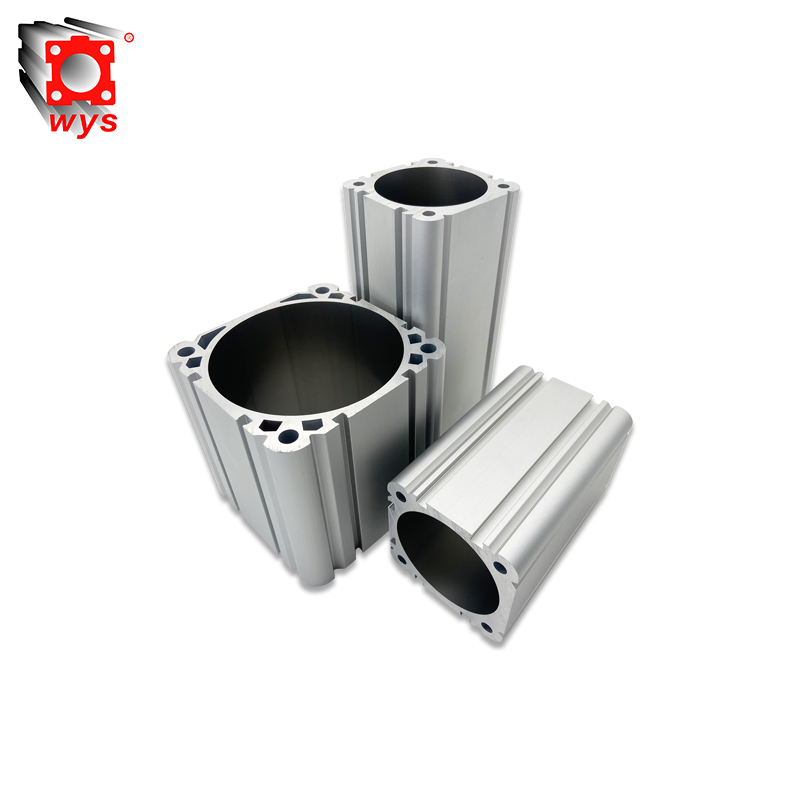
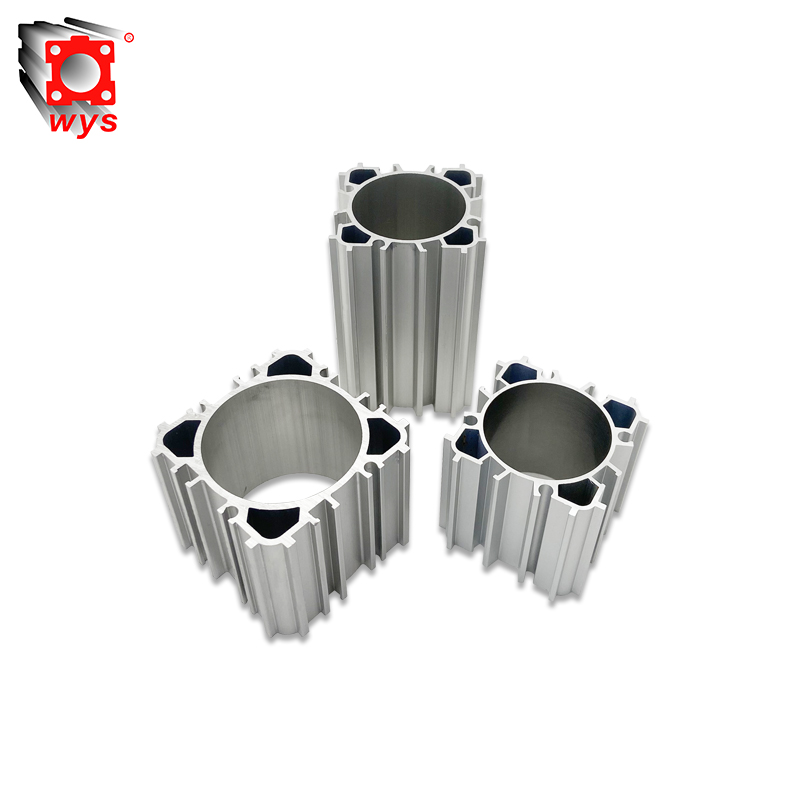
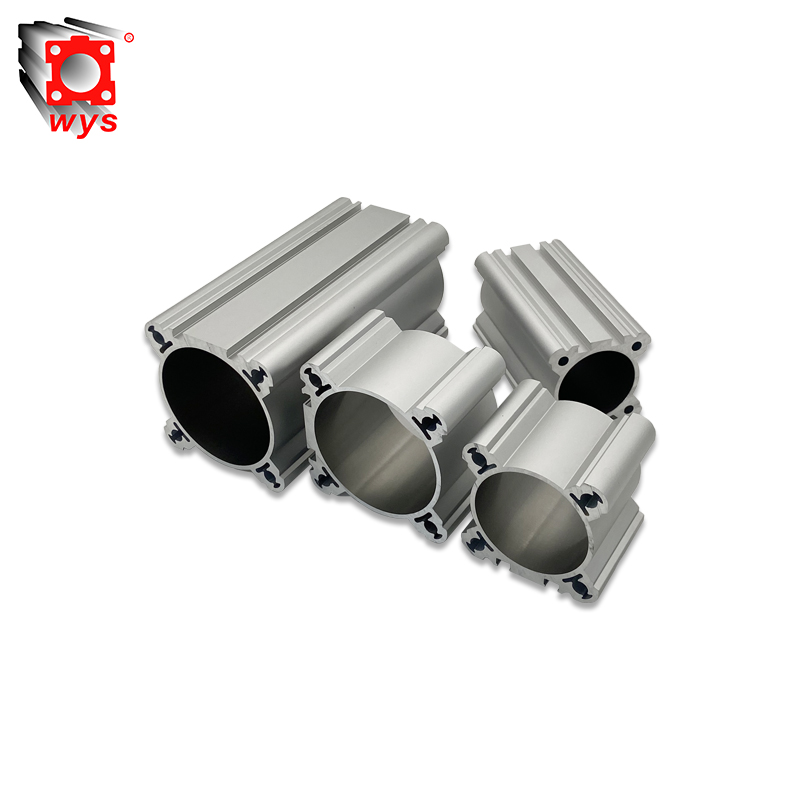
In the design and application of pneumatic systems, "lifespan" is always a crucial topic. Especially for the pneumatic cylinder barrel, a core component of the cylinder, its lifespan not only affects the reliability of the individual cylinder but also directly impacts the operational stability and maintenance frequency of the entire system.
Many users ask similar questions when selecting cylinders:
How long can a pneumatic cylinder barrel actually last?
Are all pneumatic cylinder barrels roughly the same lifespan?
In fact, the lifespan of a pneumatic cylinder barrel is not a fixed value but is the result of a combination of factors.
This article will systematically analyze the lifespan range, influencing factors, and engineering understanding of pneumatic cylinder barrels from a professional perspective, helping you build a clear and rational understanding.
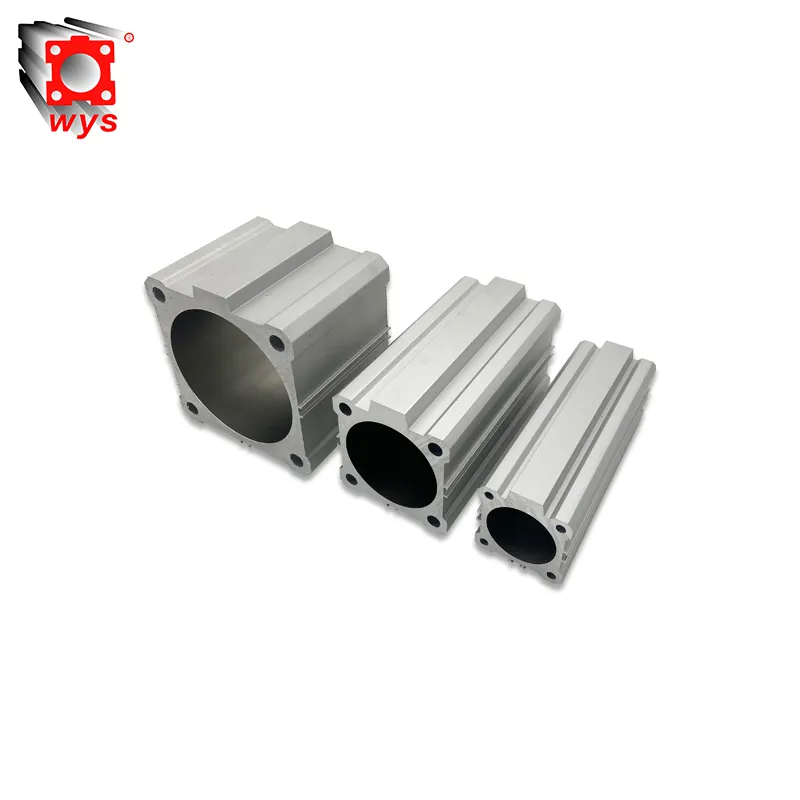
How is the lifespan of a pneumatic cylinder barrel usually measured?
In the industrial field, the lifespan of a pneumatic cylinder barrel is usually not measured in "years" but in "cycle counts."
What are cycle counts?
A complete cycle typically refers to the cylinder completing one full reciprocating motion of extension and return.
During each cycle, a pneumatic cylinder tube undergoes the following processes:
• The establishment and release of internal air pressure
• The relative movement between the piston and the cylinder wall
• Friction between the seals and the pneumatic cylinder tube surface
Therefore, the number of cycles is a more scientific indicator of the actual working intensity and lifespan of a pneumatic cylinder barrel.
What is the average lifespan of a pneumatic cylinder tube?
Based on industry standards and engineering experience, the lifespan range of pneumatic cylinder tubes varies considerably, mainly depending on the cylinder grade and operating conditions.
Generally, the following ranges can be referenced:
• High-quality industrial-grade pneumatic cylinder tubes:
Typically, 3 million to 5 million cycles
• High-end pneumatic cylinder tubes (under ideal and stable operating conditions):
Lifespan can be increased to approximately 10 million cycles
It is important to emphasize that these figures are not "guaranteed values," but rather average levels based on proper selection, standardized use, and good operating conditions. Why is there such a large difference in the lifespan of different pneumatic cylinder tubes?
Many people wonder: why do some pneumatic cylinder tubes only last a few years, while others can operate stably for a much longer time?
The reason is that the lifespan of a pneumatic cylinder tube is the result of multiple factors.
How do operating conditions affect the lifespan of a pneumatic cylinder barrel?
What is the effect of operating frequency on the lifespan of a pneumatic cylinder barrel?
When operating at high frequencies, a pneumatic cylinder tube completes more cycles per unit time, which means:
• Increased friction on the inner wall
• Accelerated wear of seals
• More significant heat accumulation in the pneumatic cylinder tube
Long-term high-frequency operation will significantly accelerate the depletion of the pneumatic cylinder barrel's lifespan.
Does operating pressure shorten the lifespan of a pneumatic cylinder tube?
Pneumatic cylinder tubes are designed with a rated operating pressure range.
If the pressure consistently approaches or frequently reaches the pressure limit:
• Increased stress on the cylinder wall
• Increased load on the sealing surfaces
• More easily accumulated micro-deformations
These factors all affect the long-term stability of the pneumatic cylinder barrel, thus shortening its effective service life.
How much do the materials and manufacturing quality of the pneumatic cylinder barrel affect its lifespan?
Material quality is the foundation of the pneumatic cylinder barrel's lifespan.
Pneumatic cylinder barrels are typically made of materials such as aluminum alloys, and their material properties directly determine:
• Fatigue resistance
• Deformation resistance
• Compatibility with surface treatments
The more stable the material properties, the higher the structural reliability of the pneumatic cylinder tube during long-term cycling.
How does the machining precision of the inner wall affect the lifespan of the pneumatic cylinder tube?
The inner wall of a pneumatic cylinder tube is the working surface where the piston and seals directly contact each other, and its condition is crucial to its lifespan:
• Uneven inner wall roughness → Accelerated wear
• Insufficient roundness and straightness → Uneven piston wear
• Surface defects → Shortened seal life
High-precision machining and stable inner wall quality are important prerequisites for achieving a long cycle life for pneumatic cylinder tubes.
Does the surface treatment of a pneumatic cylinder tube affect its service life?
The answer is yes, and the impact is very significant.
The effect of anodizing on the lifespan of a pneumatic cylinder tube
Aluminum alloy pneumatic cylinder tubes typically undergo anodizing treatment on both the inner and outer walls. Its impact on lifespan is mainly reflected in:
• Increased surface hardness, reducing wear
• Enhanced corrosion resistance, preventing inner wall deterioration
• Improved fit with seals
A well-treated pneumatic cylinder tube can typically achieve a longer stable service life under the same operating conditions.
Does the condition of the seals, in turn, affect the lifespan of the pneumatic cylinder tube?
Although seals are considered consumable parts, they interact with the pneumatic cylinder tube.
• Severe seal wear → Abnormal friction
• Seal aging and failure → Increased leakage and impact
• Abnormal debris → Scratches on the inner wall of the pneumatic cylinder tube
Therefore, a poor sealing system often indirectly shortens the effective lifespan of the pneumatic cylinder tube.
What environmental factors affect the lifespan of a pneumatic cylinder barrel?
The impact of humid and corrosive environments
In environments with high humidity or corrosive media, pneumatic cylinder tubes require stronger surface protection. Insufficient protection:
• Pitting corrosion may occur on the inner wall
• Surface condition gradually deteriorates
• Sealing performance declines
These problems all have a long-term negative impact on the lifespan of the pneumatic cylinder barrel.
The Impact of Contaminants on the Lifespan of a Pneumatic Cylinder Barrel
Dust, particles, or impurities entering the cylinder will repeatedly rub against the inner wall of the pneumatic cylinder tube during piston movement, leading to:
• Scratches
• Localized wear
• Decreased surface finish
This type of damage is usually irreversible and significantly impacts the lifespan of the pneumatic cylinder tube.
How to Understand the "End of Life" of a Pneumatic Cylinder Barrel from an Engineering Perspective?
It's important to clarify that the end of a pneumatic cylinder barrel's lifespan does not necessarily manifest as "fracture" or "complete failure." In engineering practice, the following situations typically indicate that a pneumatic cylinder barrel is nearing or has reached its lifespan limit:
• Inner wall wear leading to a loss of seal
• Roundness or straightness exceeding allowable limits
• Significantly increased leakage, affecting system efficiency
When a pneumatic cylinder tube can no longer meet design performance requirements, its effective service life can be considered over.
How Long is the Lifespan of a Pneumatic Cylinder Barrel?
In summary, there is no single, fixed answer to the question of the lifespan of a pneumatic cylinder barrel.
Under proper selection, standardized use, and optimal operating conditions:
• High-quality industrial-grade pneumatic cylinder barrels typically achieve 3 to 5 million cycles.
• High-end pneumatic cylinder barrels can achieve 10 million cycles under ideal conditions.
The lifespan of a pneumatic cylinder barrel is essentially the result of the combined effects of material quality, machining precision, surface treatment, operating conditions, and maintenance.
Only by understanding these factors from a systemic perspective can a scientific and rational judgment be made regarding the lifespan of a pneumatic cylinder barrel.
Why buy pneumatic cylinders from Weiyingjia?
Weiyingjia has 15+ years of expertise in producing aluminum alloy pneumatic cylinders, cylinder kits, and components. Our factory covers 10,000 square meters with six production lines, offering high-quality, durable products. By purchasing from our company, customers gain access to a reliable supplier with competitive prices and professional support.