

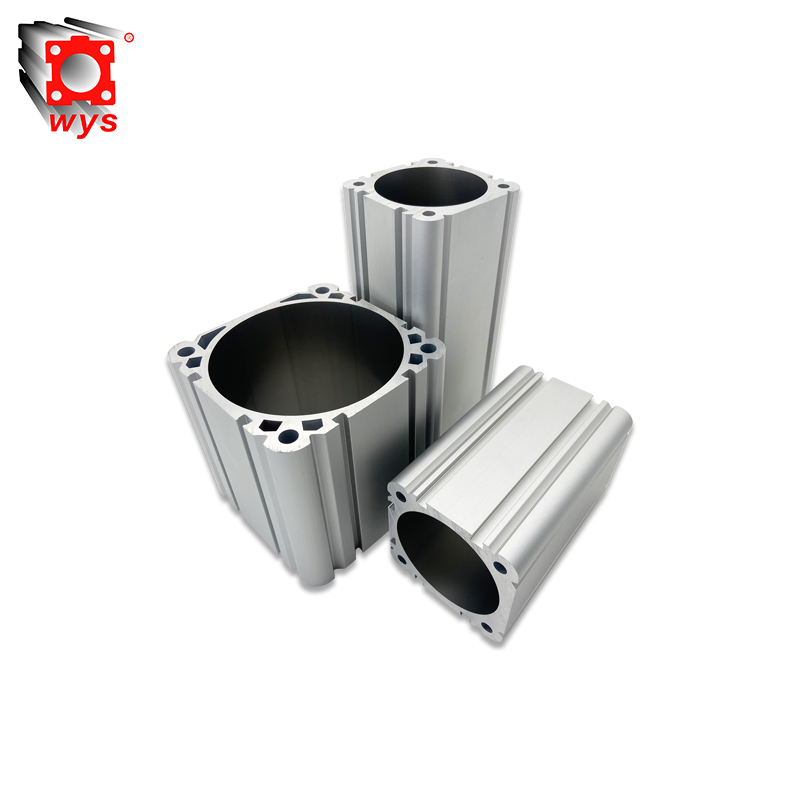
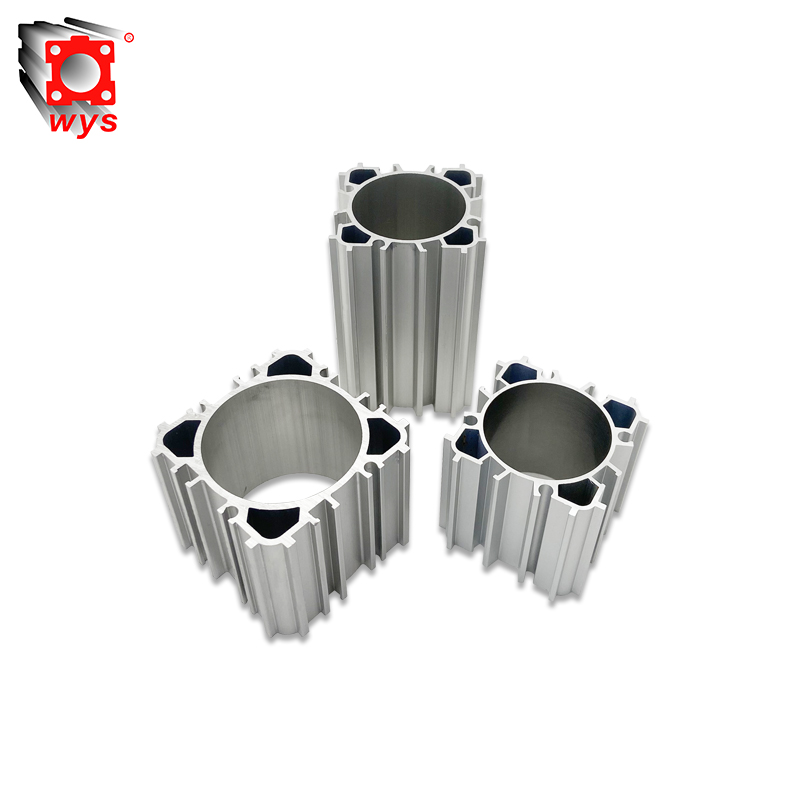
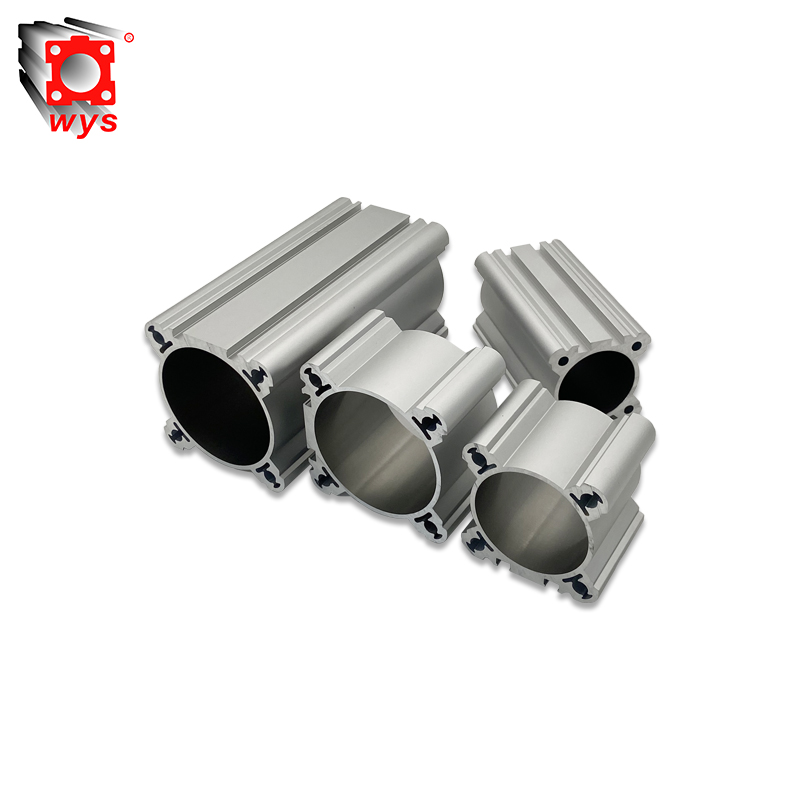
In the design, selection, and use of pneumatic systems, the pressure that a pneumatic cylinder barrel can withstand is a crucial and unavoidable question.
Both engineering designers and equipment maintenance personnel are concerned about the pressure limits, operating pressure range, and potential risks of exceeding pressure limits for pneumatic cylinder tubes.
A basic conclusion is generally accepted in the industry:
The operating pressure of a pneumatic cylinder tube is typically below 8 MPa.
However, this conclusion is not an isolated figure but is closely related to the principles of pneumatic systems, the structure of the pneumatic cylinder tube, material properties, and safety design logic.
This article will help you truly understand the technical logic behind the pressure resistance of pneumatic cylinder barrels.
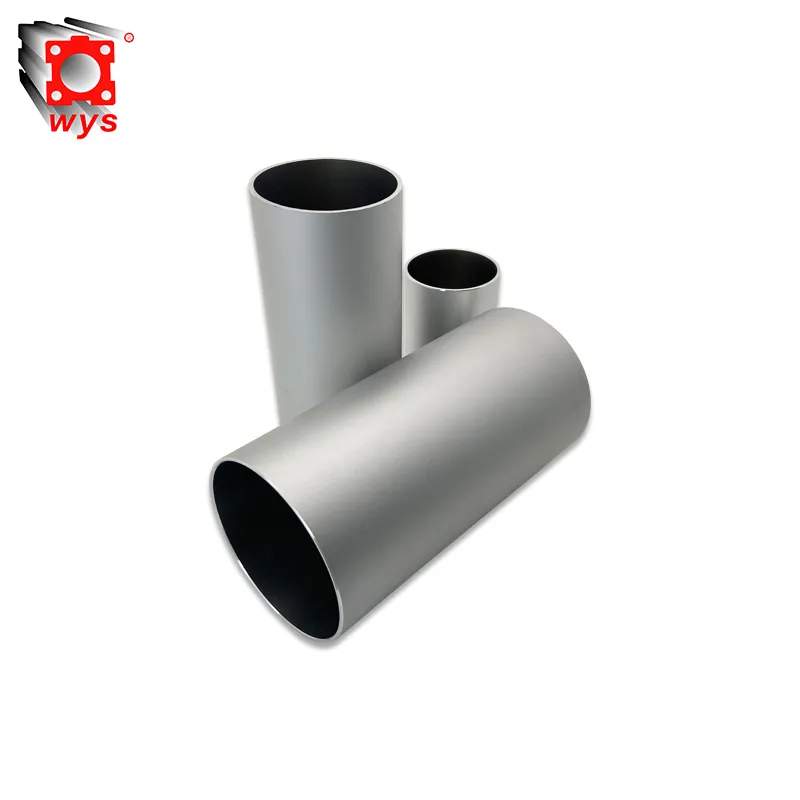
What is the "pressure withstand capability" of a pneumatic cylinder barrel?
Before discussing how much pressure a pneumatic cylinder barrel can withstand, it is essential to clarify what "pressure withstand capability" actually refers to.
The Engineering Implications of Pressure Withstand by Pneumatic Cylinder Tubes
For pneumatic cylinder tubes, "pressure withstand" typically encompasses the following meanings:
• Normal operating pressure: The pressure range allowed for long-term, stable operation of the pneumatic cylinder tube.
• Maximum allowable pressure: The maximum pressure the pneumatic cylinder tube structure can withstand within a safety factor.
• Ultimate pressure resistance: The pressure level before structural failure of the pneumatic cylinder tube under theoretical or experimental conditions.
In engineering applications, what is truly important and adopted is the normal operating pressure range of the pneumatic cylinder tube, not the ultimate failure pressure.
Why is the pressure of a pneumatic cylinder tube generally below 8 MPa?
The pressure characteristics of the pneumatic system itself determine the pressure range of the pneumatic cylinder tube. The power source used in pneumatic systems is compressed air, not hydraulic oil.
Compared to hydraulic systems, pneumatic systems have the following significant characteristics:
• High compressibility of air
• Relatively low energy density
• Emphasis on safety and response speed
In most industrial pneumatic systems, the common operating pressure range is:
• 0.4 MPa
• 0.5 MPa
• 0.6 MPa
• 0.8 MPa
This is why most pneumatic cylinder barrel designs are based on pressure levels well below 8 MPa.
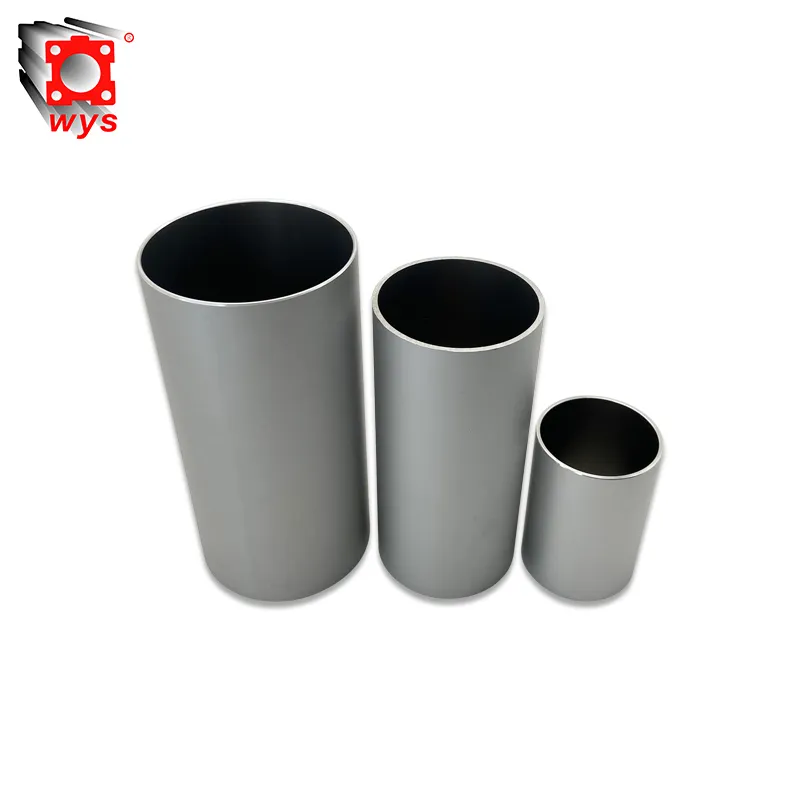
How does the structure of a pneumatic cylinder barrel limit its pressure resistance?
A pneumatic cylinder barrel is not a "thick-walled, high-pressure vessel."
From a structural design perspective, the core objectives of a pneumatic cylinder barrel are:
• Ensuring smooth reciprocating piston movement
• Providing a good sealing environment
• Controlling friction and wear
Unlike hydraulic cylinders, which are specifically designed for high-pressure conditions.
Typical structural features of pneumatic cylinder barrels include:
• Relatively thin cylinder wall thickness
• Emphasis on smooth inner wall finish
• Highlight of dimensional accuracy and straightness
• Reliance on seals for sealing, rather than pure structural pressure bearing
These structural features determine that:
Pneumatic cylinder barrels are not suitable for operation in pressure environments exceeding 8 MPa.
How does the material of a pneumatic cylinder barrel affect its pressure-bearing capacity?
The choice of material for a pneumatic cylinder barrel is a crucial foundation for its pressure resistance.
Common Pneumatic Cylinder Tube Material Properties
1. Aluminum Alloy Pneumatic Cylinder Tube
• Lightweight
• Corrosion Resistant
• Easy to Machining
• Suitable for low to medium pressure pneumatic systems
2. Carbon Steel Pneumatic Cylinder Tube
• Higher strength than aluminum
• Suitable for higher mechanical strength requirements
• Still based on the pressure range of the pneumatic system
3. Stainless Steel Pneumatic Cylinder Tube
• Balances strength and corrosion resistance
• Used in special environments
• Not designed to significantly increase operating pressure
Regardless of the material used, the design pressure of a pneumatic cylinder tube still revolves around pneumatic system standards, generally below 8 MPa.
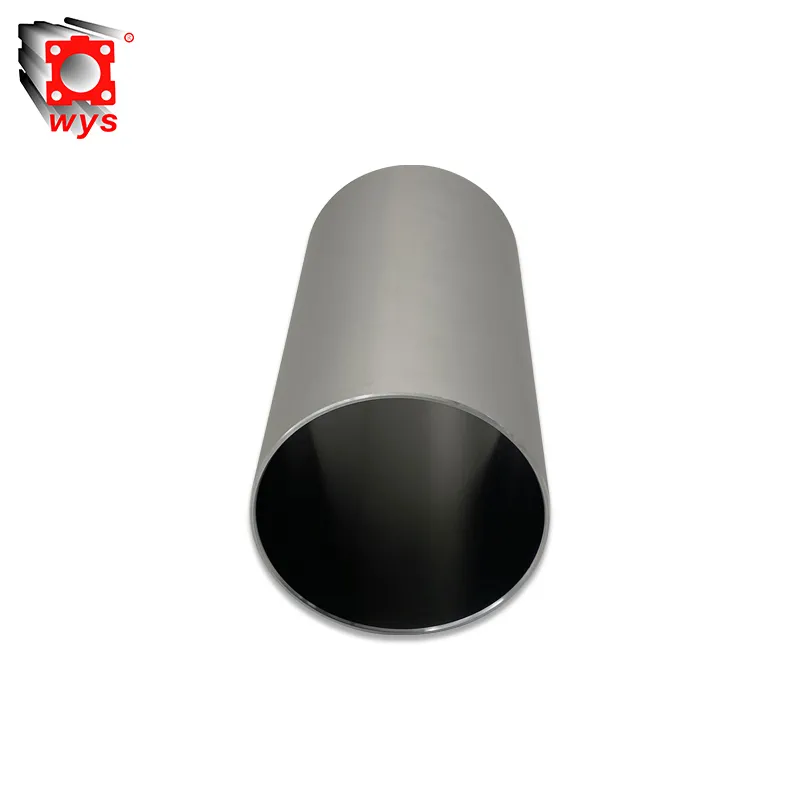
Can a pneumatic cylinder barrel really withstand 8 MPa?
This is a question that is very easy to misunderstand.
"Withstands" is not the same as "long-term stable operation."
In an engineering context, it's crucial to distinguish between:
• Instantaneous withstand capacity
• Safe operating pressure
Even if some pneumatic cylinder barrels are structurally capable of withstanding pressures close to 8 MPa for short periods, this doesn't mean they can operate at that pressure long-term.
Prolonged operation at high pressures leads to:
• Increased stress on the pneumatic cylinder tube's internal wall
• Rapid aging of seals
• Increased risk of internal leakage
• Significantly shortened service life
Therefore, in practical use, the operating pressure of pneumatic cylinder tubes is usually far below their theoretical pressure limit.
Why aren't pneumatic cylinder tubes designed to withstand higher pressures?
From an engineering perspective, this isn't a matter of technical capability, but rather a difference in design objectives.
The Fundamental Differences Between Pneumatic and Hydraulic Systems
1. Pneumatic Systems Prioritize:
• Safety
• Cleanliness
• Response Speed
• Controllable Cost
2. Hydraulic Systems Prioritize:
• High Output Force
• High Pressure
• High Energy Density
If a pneumatic cylinder barrel is designed to withstand pressures exceeding 8 MPa long-term, then:
• The structure will need to be significantly thicker
• Friction will increase
• Costs will rise significantly
• The advantages of pneumatic systems will be diminished
Therefore, controlling the pressure of the pneumatic cylinder barrel within a reasonable range is a rational engineering choice.
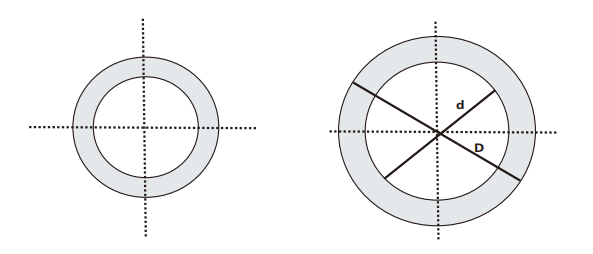
What is the Relationship Between Pressure and Safety Factor in Pneumatic Cylinder Tubes?
The safety factor is an indispensable element in the design of pneumatic cylinder barrels.
What is the Safety Factor?
The safety factor refers to:
The proportional relationship between the theoretical pressure-bearing capacity of a pneumatic cylinder tube and its rated operating pressure.
For example:
• Theoretical pressure capacity: several megapascals
• Actual rated pressure: 0.6 MPa or 0.8 MPa
This design ensures:
• Even with pressure fluctuations
• Even under unstable operating conditions
The pneumatic cylinder tube can still operate safely.
What happens when a pneumatic cylinder barrel is used beyond its rated pressure?
When a pneumatic cylinder barrel is subjected to prolonged or frequent overpressure, the following may occur:
• Fatigue of the pneumatic cylinder barrel's inner wall
• Formation of microcracks
• Seal extrusion or failure
• Increased internal leakage
• Increased risk of sudden failure
This is why strictly controlling the operating pressure of the pneumatic cylinder barrel is a fundamental principle in engineering practice.
What is the relationship between the pressure capacity of a pneumatic cylinder tube and the sealing system?
The ability of a pneumatic cylinder tube to stably withstand pressure largely depends on the sealing system.
Pressure Limits of Seals
• The seal itself has a maximum permissible pressure.
• High pressure can cause seal deformation.
• Seal failure often precedes structural damage.
Even if the pneumatic cylinder tube structure itself is not damaged, the sealing system may fail prematurely due to excessive pressure, leading to pneumatic cylinder tube malfunction.
How to understand the industry consensus that "pneumatic cylinder barrel pressure is less than 8 MPa"?
This statement is not an arbitrary empirical value, but a consensus based on the following comprehensive factors:
• Standard pressure range of pneumatic systems
• Pneumatic cylinder barrel structural design logic
• Material properties and safety factor
• Capacity limitations of the sealing system
Therefore, "How much pressure can a pneumatic cylinder barrel withstand? – Generally below 8 MPa" does not mean that all pneumatic cylinder tubes have the same limit, but rather refers to their engineering applicable pressure range.
Why can't we simply use "maximum pressure" to select a pneumatic cylinder barrel?
During selection and use, if only the maximum pressure is considered while ignoring the following factors:
• Operating frequency
• Service life
• Environmental conditions
• Sealing reliability
Then even if the pressure does not exceed the so-called "upper limit," the pneumatic cylinder barrel may still fail prematurely.
Pressure capability is only one dimension of the pneumatic cylinder barrel's performance system, not the only standard.
What are some common misconceptions about pneumatic cylinder barrel pressure?
Misconception 1: Higher pressure means better performance.
In reality, pneumatic systems emphasize stability and controllability, not high pressure.
Misconception 2: Stronger materials allow for unlimited pressure increases.
Materials are only one factor; structure and sealing are equally crucial.
Misconception 3: Pressure below 8 MPa is always safe.
A comprehensive assessment is needed, considering rated pressure, usage method, and duration.
How much pressure can a pneumatic cylinder tube withstand?
• The operating pressure of a pneumatic cylinder tube is typically well below 8 MPa.
• This pressure range is determined by the characteristics of the pneumatic system.
• The pneumatic cylinder tube is not designed for high-pressure conditions.
• Materials, seals, and safety factors collectively limit its pressure-bearing capacity.
• Exceeding the reasonable pressure range significantly increases the risk of failure.
Therefore, in engineering and application, pneumatic cylinder tubes should always be understood and used within the standard pressure range of the pneumatic system, rather than blindly pursuing higher pressure levels.
Can Weiyingjia support custom pneumatic cylinder production?
Yes, as a manufacturer and supplier, Weiyingjia offers custom pneumatic cylinder solutions tailored to your specifications. Our factory’s advanced equipment and experienced engineers ensure precise dimensions, low energy consumption, and high durability. Companies purchasing from us for wholesale or large-scale projects can benefit from our strict quality control and competitive prices.