
How to Repair a Leaking Cylinder? Is it Related to Pneumatic Cylinder Seal Kits?
Pneumatic systems are widely used in automated equipment, packaging machinery, assembly equipment, and various industrial production lines due to their simple structure and fast response speed.
However, cylinders may develop leaks during long-term use. Cylinder leaks not only reduce the efficiency of the pneumatic system but can also lead to decreased cylinder speed, insufficient thrust, and even unstable equipment operation. Therefore, timely inspection and repair are crucial when cylinder leaks occur.
In most cases, cylinder leaks are related to pneumatic cylinder seal kits. Pneumatic cylinder seal kits are essential components ensuring the internal sealing performance of the cylinder. Wear, aging, or damage to these seals can lead to compressed air leakage.
This article will systematically analyze the question, "How to repair a leaking cylinder? Is it related to pneumatic cylinder seal kits?" and highlight the key role of pneumatic cylinder seal kits in cylinder repair.
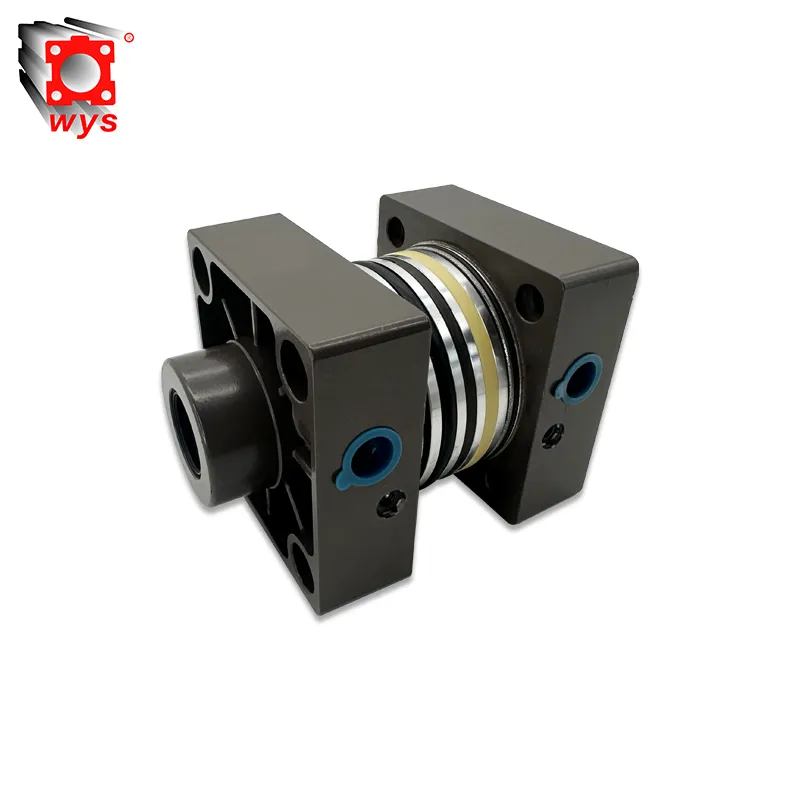
What does cylinder leakage mean?
In pneumatic systems, cylinder leakage refers to compressed air leaking from an abnormal location inside the cylinder, causing the gas pressure to deviate from the normal operating range.
Cylinder leakage typically manifests in the following ways:
• Slower cylinder movement speed
• Significantly reduced cylinder thrust
• Increased air consumption
• Inability to maintain stability at a stationary position
• Unstable operating rhythm of the equipment
When these problems occur in a cylinder, the cylinder's sealing system usually needs to be checked, and pneumatic cylinder seal kits are often the key to the problem.
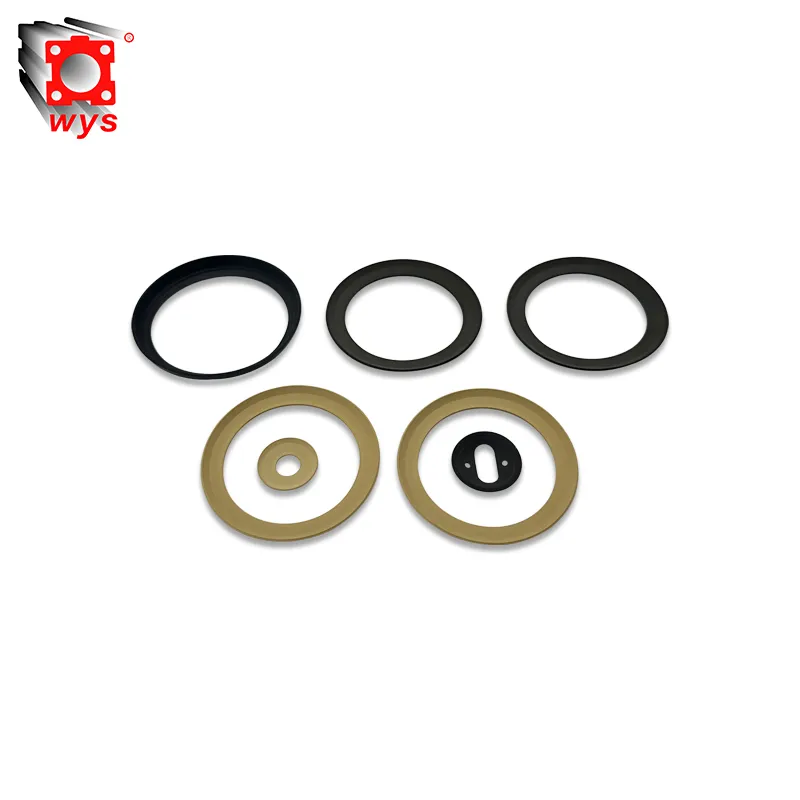
Pneumatic cylinder seal kits mainly consist of various sealing elements, such as:
• Piston seals
• Piston rod seals
• Dust rings
• O-rings
• Guide rings
These seals together constitute a complete cylinder sealing system. Damage to the pneumatic cylinder seal kits can lead to gas leakage.
Why do cylinders leak?
Before repairing a cylinder, it's essential to understand the common causes of cylinder leakage. Only by finding the root cause can the correct repair measures be taken.
1. Seal Wear
During long-term operation, the piston repeatedly moves inside the cylinder. The seals need to maintain contact with the cylinder surface to achieve a sealing function.
With increased use, the sealing rings in pneumatic cylinder seal kits may gradually wear down, leading to a decrease in sealing performance.
When the seals are severely worn, compressed air will leak from the sealing gap.
2. Seal Aging
Pneumatic equipment typically operates in environments with varying temperatures and humidity. Seals made of rubber or polyurethane materials may age after prolonged use.
Seal aging typically manifests as:
• Hardening
• Deformation
• Decreased elasticity
These problems all affect the sealing effect of pneumatic cylinder seal kits, leading to cylinder leakage.
3. Incorrect Seal Installation
Incorrect installation during maintenance or replacement of pneumatic cylinder seal kits can also cause leakage problems.
For example:
• Incorrect installation orientation of the sealing ring
• Scratched seal
• Impurities in the sealing groove
These problems will all affect the sealing effect.
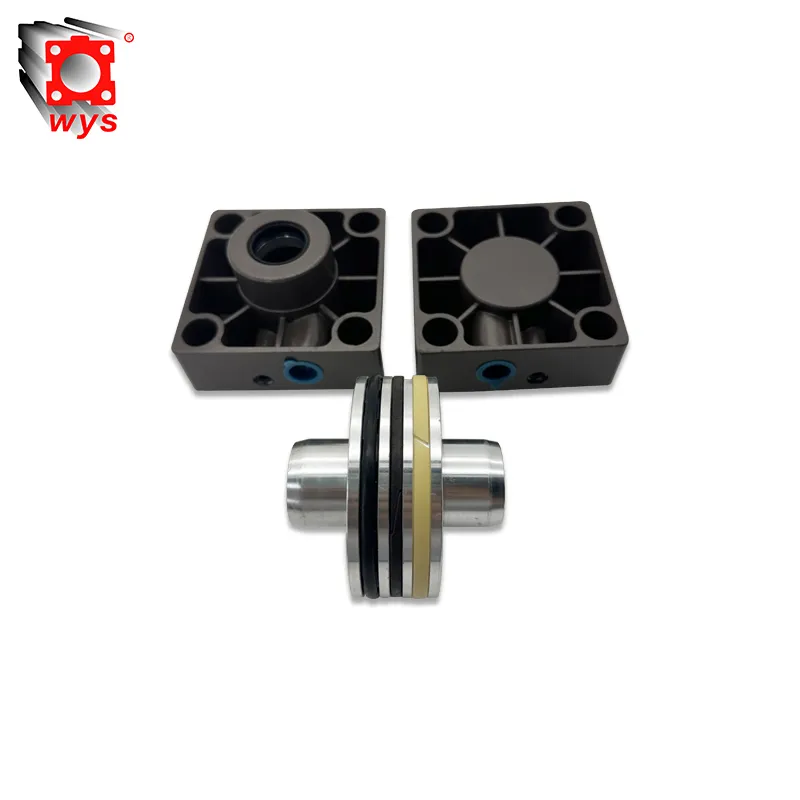
Is cylinder leakage always a problem with the pneumatic cylinder seal kit?
Many people, upon discovering a cylinder leak, immediately assume the problem stems from the pneumatic cylinder seal kit. However, cylinder leaks can actually be caused by other factors.
However, based on practical experience, most cylinder leaks are indeed closely related to the pneumatic cylinder seal kit.
The pneumatic cylinder seal kit is responsible for preventing compressed air from leaking inside the cylinder, making it one of the most prone to failure components.
Of course, in some cases, the following factors can also cause leaks:
• Scratches on the cylinder wall
• Bent piston rod
• Damaged end cap seal
• Loose connection
Therefore, a thorough inspection is necessary before repairing the cylinder to determine if the problem originates from the pneumatic cylinder seal kit.
How to determine if the pneumatic cylinder seal kit is damaged?
Before repairing a leaking cylinder, it's necessary to determine if the pneumatic cylinder seal kits are faulty. This can usually be checked using the following methods:
Is there an internal leak in the cylinder?
If the internal seals of the cylinder are damaged, compressed air may leak between the piston and the cylinder.
This typically manifests as:
• Reduced cylinder thrust
• Inability to maintain a fixed position
• Unstable movement
When these symptoms occur, it's likely that the pneumatic cylinder seal kits need to be replaced.
Is there an air leak in the piston rod?
If there is a gas leak around the piston rod, the piston rod seal ring may be damaged.
The piston rod seal ring is a crucial component of the pneumatic cylinder seal kit; it prevents air from leaking from the cylinder end cap.
Wearing or aging of the seal ring can lead to leaks.
How to repair a leaking cylinder?
When the cylinder leak is confirmed to be related to the pneumatic cylinder seal kits, disassembly and repair of the cylinder are usually required.
The following are basic repair steps.
Step 1: Cylinder Disassembly
Before servicing, shut off the pneumatic supply and release system pressure, then disassemble the cylinder assembly.
During disassembly, take the following precautions:
• Avoid scratching the piston rod
• Keep parts clean
• Record the disassembly sequence
These steps will help in the correct installation of the pneumatic cylinder seal kit later.
Step 2: Seal Inspection
After disassembling the cylinder, inspect each sealing element in the pneumatic cylinder seal kit.
Common checks include:
• Wear on the seal ring
• Deformation of the seal
• Aging of the sealing material
If damaged seals are found, replace the pneumatic cylinder seal kit with a new one.
Step 3: Pneumatic Cylinder Seal Kit Replacement
When servicing a cylinder, it is generally recommended to replace the entire pneumatic cylinder seal kit rather than replacing individual seals.
A complete pneumatic cylinder seal kit typically contains all critical sealing elements, ensuring the cylinder regains good sealing performance.
When replacing pneumatic cylinder seal kits, please note the following:
• Install the seal ring in the correct orientation.
• Lubricate before installation.
• Avoid damaging the seal edges.
Proper installation of pneumatic cylinder seal kits is crucial for restoring cylinder performance.
Step 4: Reassemble the Cylinder
After installing the new pneumatic cylinder seal kits, the cylinder assembly needs to be reassembled.
After assembly, an airtightness test is required to confirm whether the cylinder still has any leakage issues.
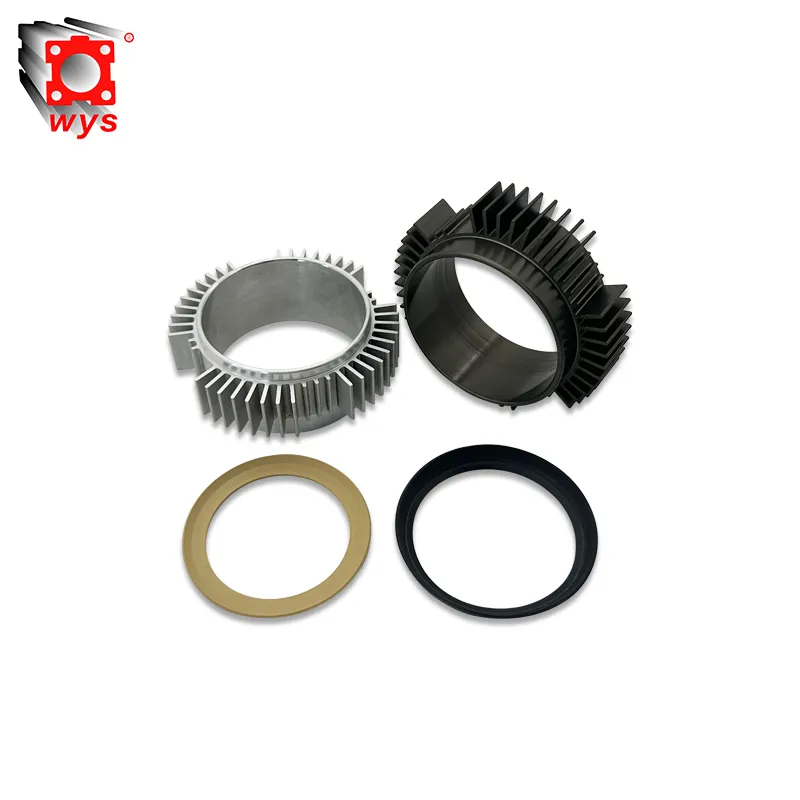
How to extend the lifespan of pneumatic cylinder seal kits?
To reduce cylinder leakage problems, extending the lifespan of pneumatic cylinder seal kits is very important.
Maintenance can be achieved through the following methods:
1. Keep the air supply clean
Impurities in compressed air can enter the cylinder, accelerating seal wear.
Therefore, pneumatic systems typically require the installation of:
• Filters
• Lubricators
• Pressure regulators. These devices protect the pneumatic cylinder seal kits.
2. Regularly Inspect Cylinders
Regularly inspecting the cylinder's operating condition can detect sealing problems early.
For example:
• Check for cylinder leaks
• Check for damage to the piston rod surface
Timely maintenance can prevent serious damage to pneumatic cylinder seal kits.
3. Use Appropriate Sealing Materials
Different operating environments require different types of sealing materials.
For example:
• Use heat-resistant sealing materials for high-temperature environments
• Use corrosion-resistant materials for humid environments
Appropriate pneumatic cylinder seal kits can improve the stability of the sealing system.
How experienced is Weiyingjia in anodized aluminum cylinders?
With over 15 years of experience, Weiyingjia specializes in producing high-quality aluminum alloy pneumatic cylinders and kits. Our factory applies hard anodizing, polishing, CNC machining, and strict quality tests to ensure durability and precision. Buyers purchasing from our company can trust in reliable, energy-efficient, and precise pneumatic components. Wholesale and brand clients rely on Weiyingsi for high-quality products, competitive prices, and expert technical support.