

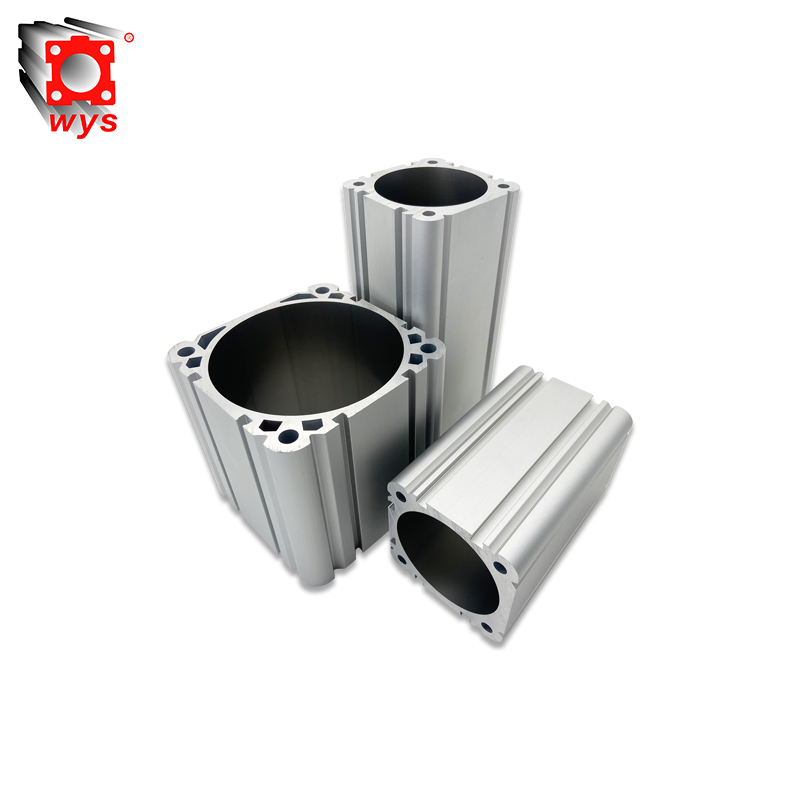
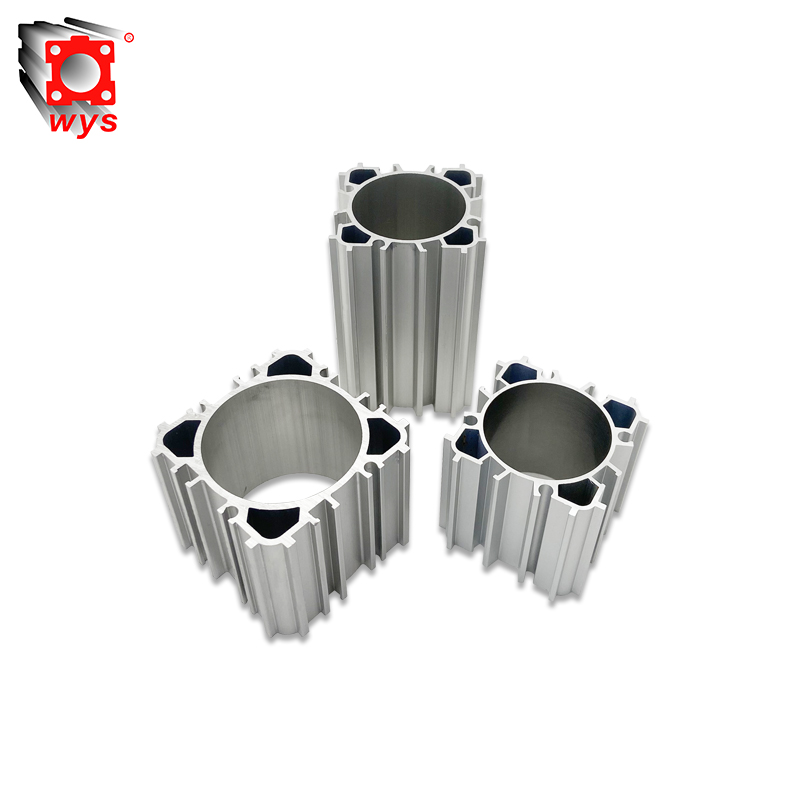
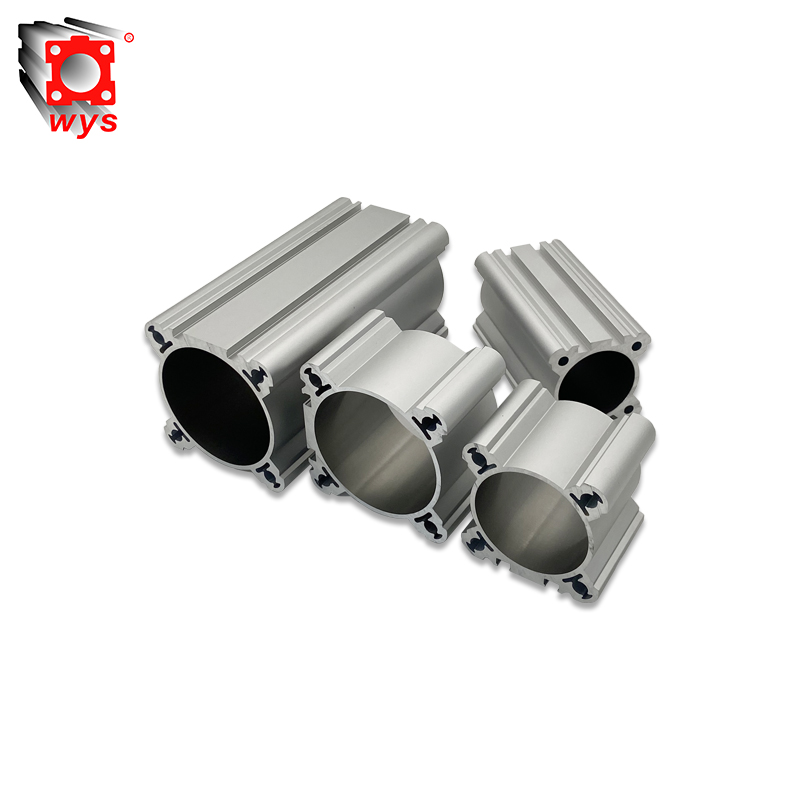
In modern industrial automation equipment, pneumatic systems are widely used in machinery manufacturing, packaging equipment, automated assembly lines, and food processing equipment. Pneumatic cylinders, as actuators, play a crucial role in actions such as pushing, clamping, positioning, and handling.
Within the structure of a pneumatic cylinder, pneumatic cylinder seal kits are one of the important components ensuring the stable operation of the system.
The main function of pneumatic cylinder seal kits is to ensure the airtightness of the cylinder's interior, prevent compressed air leakage, reduce friction, and protect the internal structure. However, in actual use, some users find that pneumatic cylinder seal kits fall off. Once this happens, it not only leads to a decrease in cylinder performance but may also cause equipment downtime or even mechanical failure.
This article will help users understand more comprehensively the reasons why pneumatic cylinder seal kits fall off.
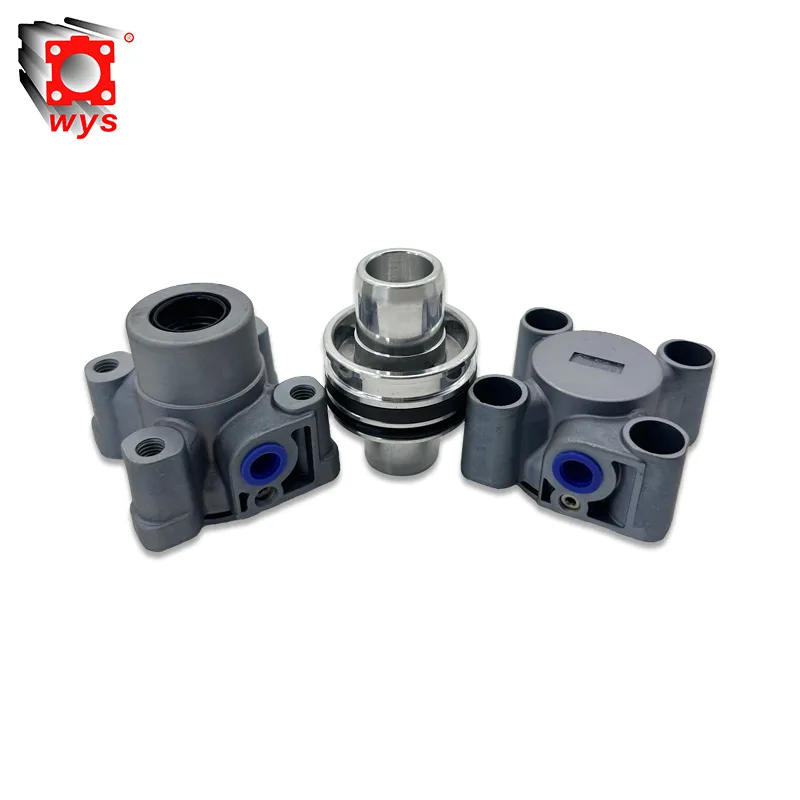
What are pneumatic cylinder seal kits?
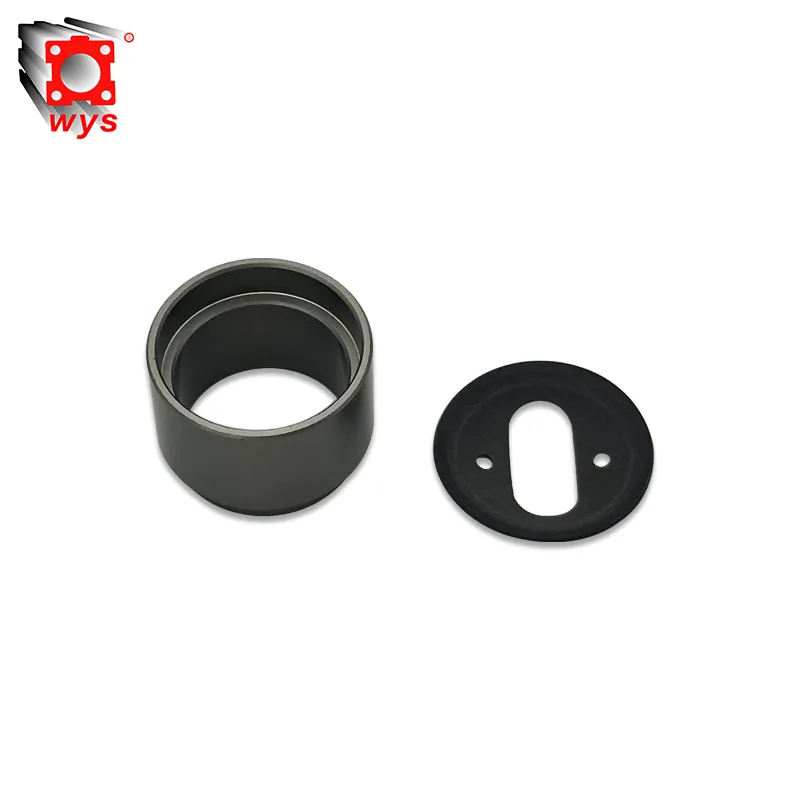
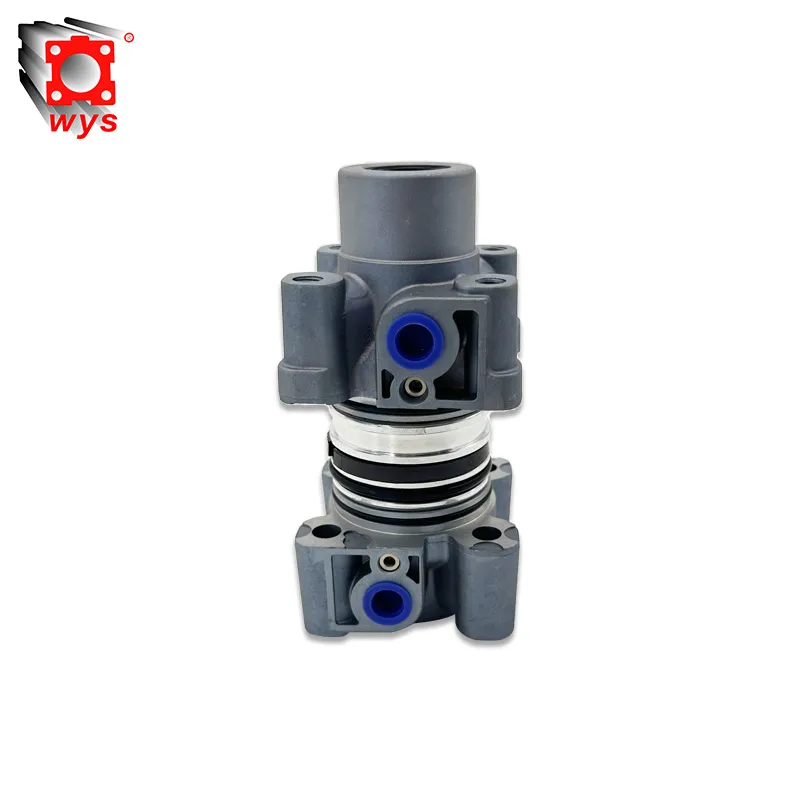
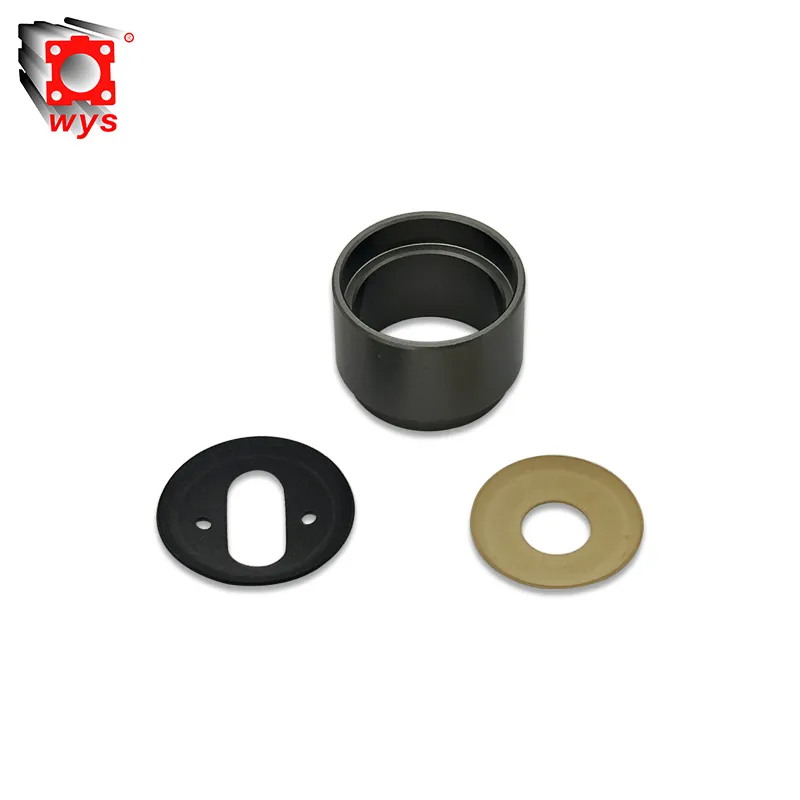
Pneumatic cylinder seal kits are typically installed at critical sealing locations on pneumatic cylinders, such as the piston or end cap.
Their core functions include:
• Maintaining the airtightness of the cylinder interior
• Preventing compressed air leakage
• Reducing friction between metal parts
• Improving the stability of cylinder movement
• Extending the overall service life of the cylinder
In pneumatic systems, gas pressure drives the piston in reciprocating motion. Without reliable pneumatic cylinder seal kits, compressed air will leak rapidly, preventing the cylinder from generating sufficient thrust. Therefore, pneumatic cylinder seal kits are not just simple seals, but crucial components affecting pneumatic cylinder performance.
Common materials for pneumatic cylinder seal kits include:
• Polyurethane (PU)
• Nitrile rubber (NBR)
• Fluororubber (FKM)
• Polytetrafluoroethylene (PTFE)
Different materials used in pneumatic cylinder seal kits have different temperature resistance, abrasion resistance, and chemical resistance properties; therefore, selection must be based on specific operating conditions.
Why do pneumatic cylinder seal kits sometimes detach?
Under normal design and installation conditions, pneumatic cylinder seal kits should be stably fixed within the sealing groove. If they detach, it usually indicates a problem in some aspect. Common causes include improper installation, an inadequate sealing groove design, material aging, and abnormal pressure.
Can improper installation cause pneumatic cylinder seal kits to detach?
Installation problems are one of the most common causes of pneumatic cylinder seal kit detachment.
When assembling a pneumatic cylinder, if the installer does not follow the correct operating procedures, the pneumatic cylinder seal kit may not be securely fixed within the sealing groove.
For example:
1. The seal sleeve is not fully embedded in the sealing groove.
2. Twisting or buckling occurs during installation.
3. Damage caused by improper use of installation tools.
4. Incorrect installation orientation.
When the pneumatic cylinder starts running, internal pressure continuously acts on the seal. If the pneumatic cylinder seal kit is not securely installed, it can easily be pushed out of the sealing groove under pressure impact, resulting in detachment.
Furthermore, the lack of lubricant during installation can lead to excessive stretching of pneumatic cylinder seal kits during assembly, ultimately reducing their stability.
Can an improperly designed seal groove cause pneumatic cylinder seal kits to detach?
The design of the seal groove in a pneumatic cylinder has a decisive impact on the fixation effect of pneumatic cylinder seal kits. If the seal groove dimensions are improperly designed, the stability of the seal will be affected.
Common issues include:
• Insufficient seal groove depth
• Excessively large seal groove width
• Inappropriate edge chamfering
• Insufficient fixing structure
If the seal groove size is too large, the pneumatic cylinder seal kits will have room to move during operation. When the cylinder reciprocates at high speed, the seal sleeve is easily pushed by air pressure and gradually shifts, eventually leading to detachment.
Conversely, if the seal groove size is too small, it may cause excessive compression of the pneumatic cylinder seal kits during installation, which may also lead to deformation and eventual detachment after long-term operation.
Therefore, when designing pneumatic cylinder structures, the dimensional tolerances of the sealing groove must be strictly controlled to ensure the stable operation of pneumatic cylinder seal kits.
Will excessive pneumatic pressure cause pneumatic cylinder seal kits to detach?
If the pressure parameters in the pneumatic system exceed the design range, it will also have a serious impact on pneumatic cylinder seal kits.
When the pneumatic pressure is too high, the seal will be subjected to greater thrust. If the pneumatic cylinder seal kit material is not strong enough or the fixing structure is not secure, the pressure impact will cause the seal to gradually move outward and eventually detach from the sealing groove.
In addition, high pressure may also cause the following problems:
• Seal extrusion
• Seal deformation
• Accelerated seal wear
These conditions will reduce the stability of the pneumatic cylinder seal kits, thereby increasing the risk of detachment.
Therefore, during the design and use of pneumatic systems, the operating pressure must be strictly controlled and ensured to be within the allowable range of the pneumatic cylinder seal kits.
Will aging of the pneumatic cylinder seal kit material cause detachment?
Material aging is also a significant cause of pneumatic cylinder seal kit detachment.
With increased use, sealing materials may undergo the following changes:
• Hardening
• Loss of elasticity
• Cracking
• Deformation
When pneumatic cylinder seal kits lose their original elasticity, their fit with the sealing groove decreases, and their fixing ability weakens. Under the influence of cylinder movement and air pressure impact, aged seals are more prone to displacement or even detachment.
Especially in high-temperature environments, the aging rate of some rubber materials is significantly accelerated. Therefore, in high-temperature equipment, pneumatic cylinder seal kits with better high-temperature resistance must be selected.
Can lack of lubrication cause pneumatic cylinder seal kits to detach?
Proper lubrication in pneumatic systems is crucial for protecting pneumatic cylinder seal kits.
If there is insufficient lubrication inside the cylinder, the piston will generate significant friction during movement. This friction not only accelerates the wear of the pneumatic cylinder seal kits but may also cause the seals to shift.
Long-term friction can also cause the following problems:
• Wear on seal edges
• Increased seal temperature
• Rough seal surface
When pneumatic cylinder seal kits wear severely, their structural stability decreases significantly, increasing the likelihood of detachment.
Therefore, maintaining proper lubrication conditions in the pneumatic system is crucial for extending the service life of pneumatic cylinder seal kits.
Do external contaminants affect the stability of pneumatic cylinder seal kits?
In some industrial environments, the air may contain large amounts of dust, metal particles, or other contaminants. If these impurities enter the pneumatic cylinder, they can adversely affect the pneumatic cylinder seal kits.
Contaminants may cause:
• Wear on seal surface
• Blockage of seal grooves
• Seal deformation
When the sealing structure is damaged, pneumatic cylinder seal kits may gradually lose their holding ability and eventually detach.
To avoid this, an air filter needs to be installed in the pneumatic system to ensure that the air entering the cylinder is clean.
How to prevent pneumatic cylinder seal kit detachment?
To prevent pneumatic cylinder seal kits from detaching, measures need to be taken in multiple aspects, including design, installation, and maintenance.
These mainly include:
1. Selecting high-quality sealing materials
High-quality pneumatic cylinder seal kits have better elasticity and wear resistance, improving stability.
2. Ensuring correct installation
Use professional tools during installation and ensure the seal sleeve is fully embedded in the sealing groove.
3. Controlling pneumatic system pressure
Avoid exceeding the design range of the pneumatic cylinder seal kits' pressure.
4. Regularly checking the seal condition
Regular maintenance allows for the timely detection of wear or aging issues with the pneumatic cylinder seal kits.
5. Keeping the system clean
Install an air filter to prevent impurities from entering the pneumatic cylinder.
Does Weiyingjia support bulk purchasing for industrial clients?
Absolutely. Weiyingjia’s factory and production capacity allow us to supply bulk orders efficiently. Our 10,000-square-meter facility, six production lines, and experienced inspection teams guarantee high-quality, durable pneumatic components. Companies purchasing from Weiyingjia benefit from competitive wholesale prices, technical support, and reliable delivery.