

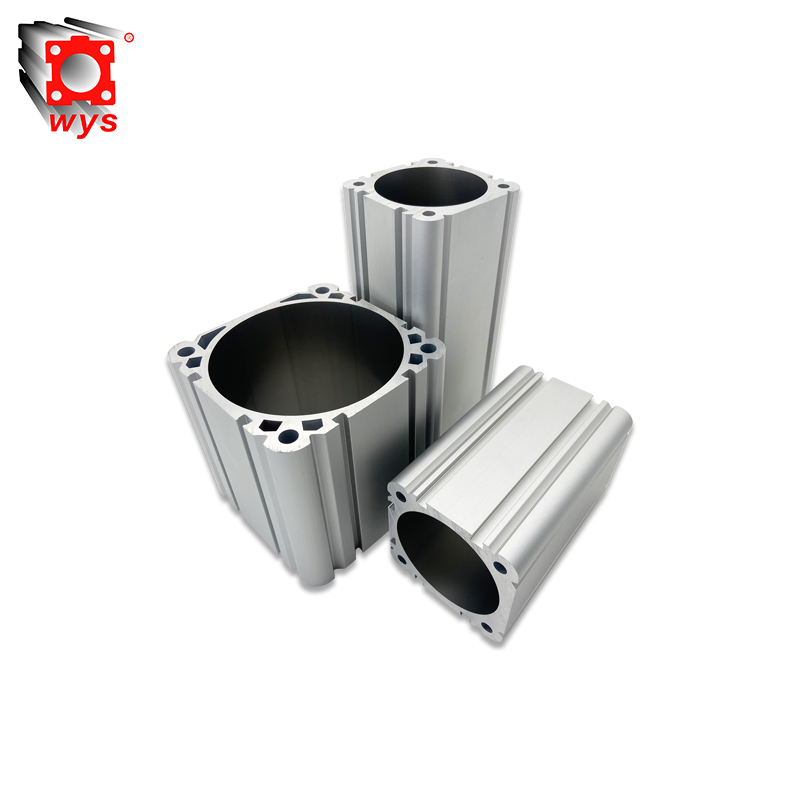
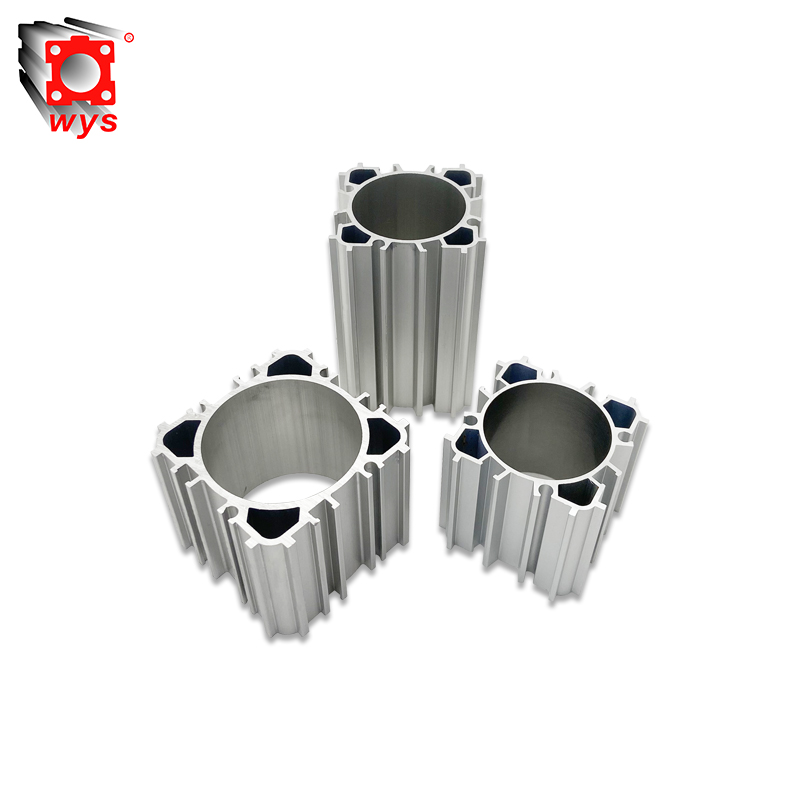
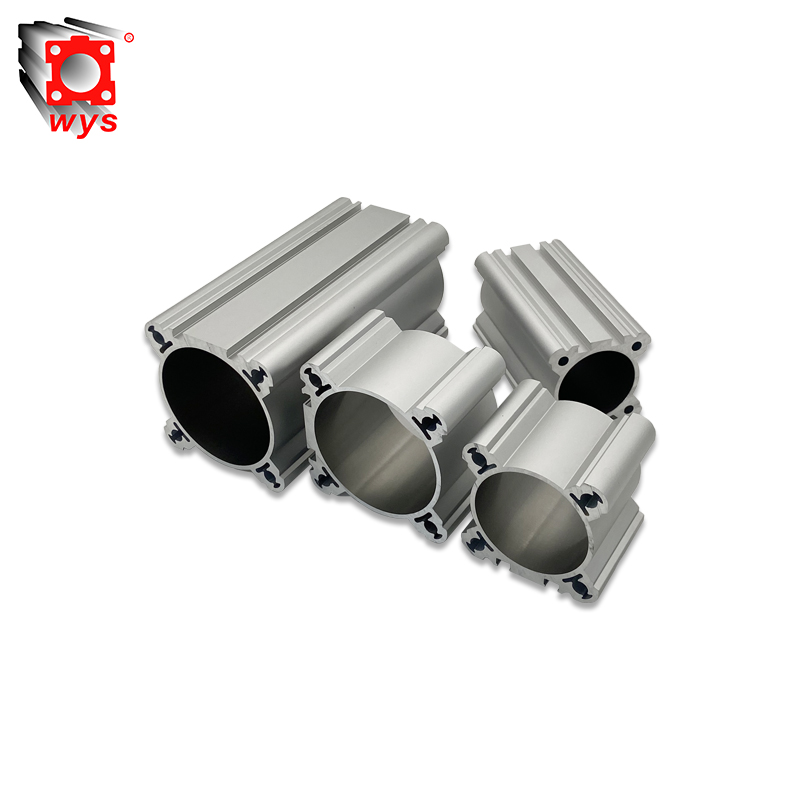
Pneumatic systems are widely used in various types of industrial automation equipment due to their simple structure and rapid response. While the cylinder serves as the core actuating component of a pneumatic system, its internal structure is far more complex than it appears on the surface. When encountering pneumatic cylinders, people often focus on the piston, seals, and the cylinder barrel, while overlooking an equally important structural element: the tie rod.
So, what exactly is a tie rod in a pneumatic cylinder? What role does it play in the cylinder's structure? And why is it indispensable in the design of many pneumatic cylinders?
This article provides a detailed analysis of these questions, systematically explaining the function of tie rods—covering everything from structural composition and working principles to design significance—and clarifying their relationship with the cylinder barrel to help readers gain a comprehensive understanding of this critical component.
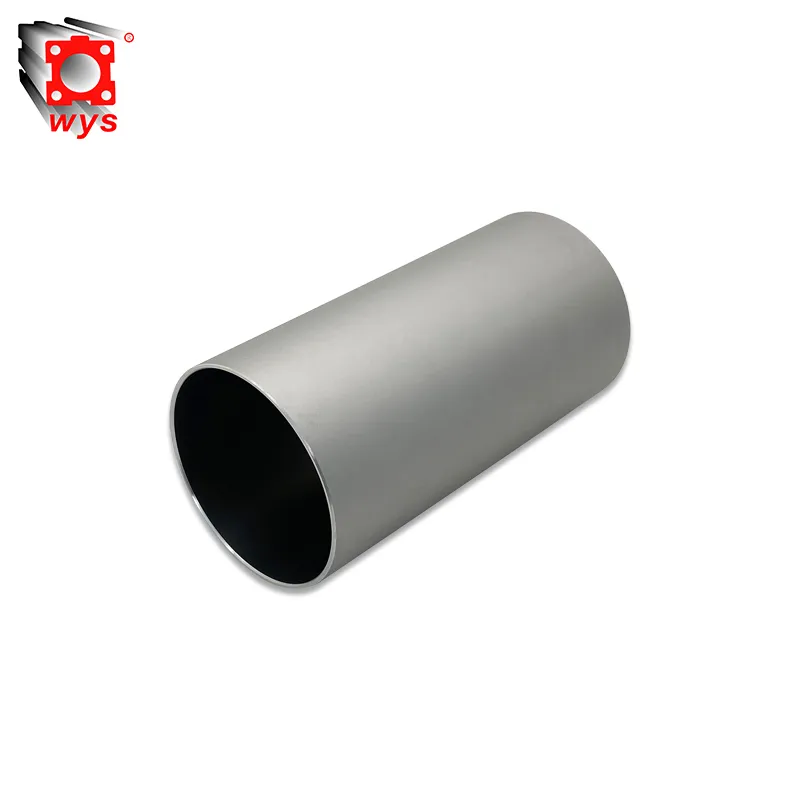
What exactly is a tie rod in a pneumatic cylinder?
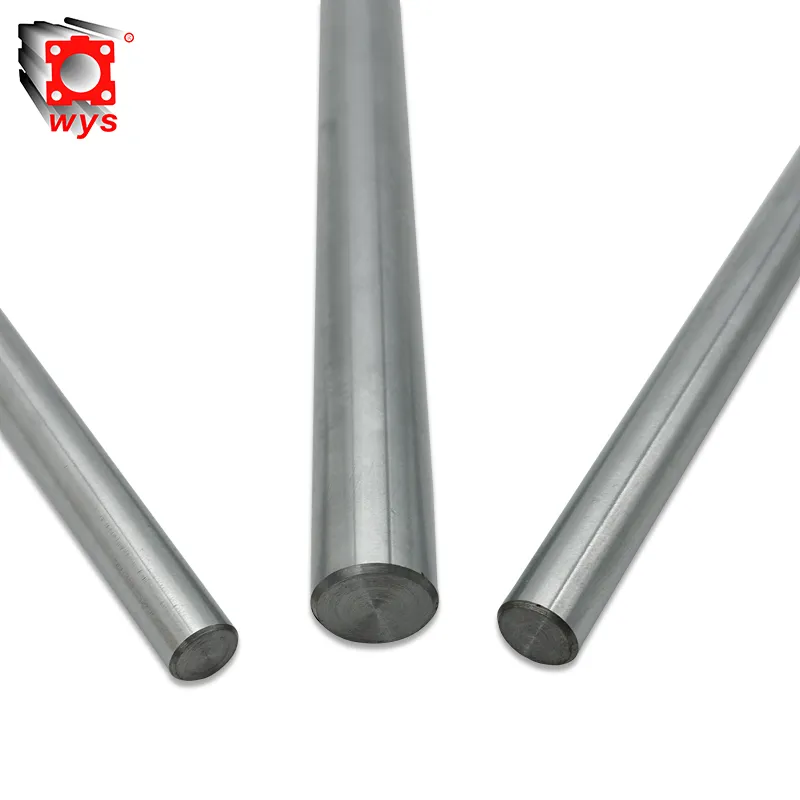
In the structure of a pneumatic cylinder, a tie rod refers to a metal rod that extends through both end caps, securely fastening them to the cylinder barrel. These rods are typically distributed evenly around the exterior of the cylinder, creating a "frame-like" connection structure.
Simply put, the core functions of a tie rod are to:
•Secure the front and rear end caps to the cylinder barrel
•Maintain the stability of the cylinder's overall structure
•Withstand the axial forces generated inside the cylinder
In many standard pneumatic cylinders, tie rods are made of high-strength steel and connected to the end caps via threads or nuts, thereby firmly clamping the cylinder barrel in the middle.
Therefore, a tie rod can be understood as a "structural connector"; while it does not directly participate in airflow or sealing, it plays a decisive role in the structural integrity and safety of the cylinder.
Why do pneumatic cylinders need tie rods to secure the cylinder barrel?
When a pneumatic cylinder operates, internal air pressure builds up, exerting force on the cylinder's structure.
As compressed air enters the cylinder barrel, it drives the piston to move while simultaneously exerting an outward thrust on the end caps. Without a reliable connection structure, the cylinder end caps could loosen or even detach.
This is precisely where the function of the tie rod becomes evident:
•Securely connecting the end caps to the pneumatic cylinder barrel
•Resisting the separation forces generated by internal air pressure
•Maintaining the structural integrity of the cylinder
The tie rods can be considered the "skeleton" of the cylinder, ensuring that the pneumatic cylinder barrel and end caps form a unified structure.
Without tie rods, the pneumatic cylinder barrel might not operate stably under pressure.
How do the tie rods work in conjunction with the pneumatic cylinder barrel?
During cylinder operation, the pneumatic cylinder barrel and the tie rods do not function in isolation; instead, they form a collaborative relationship.
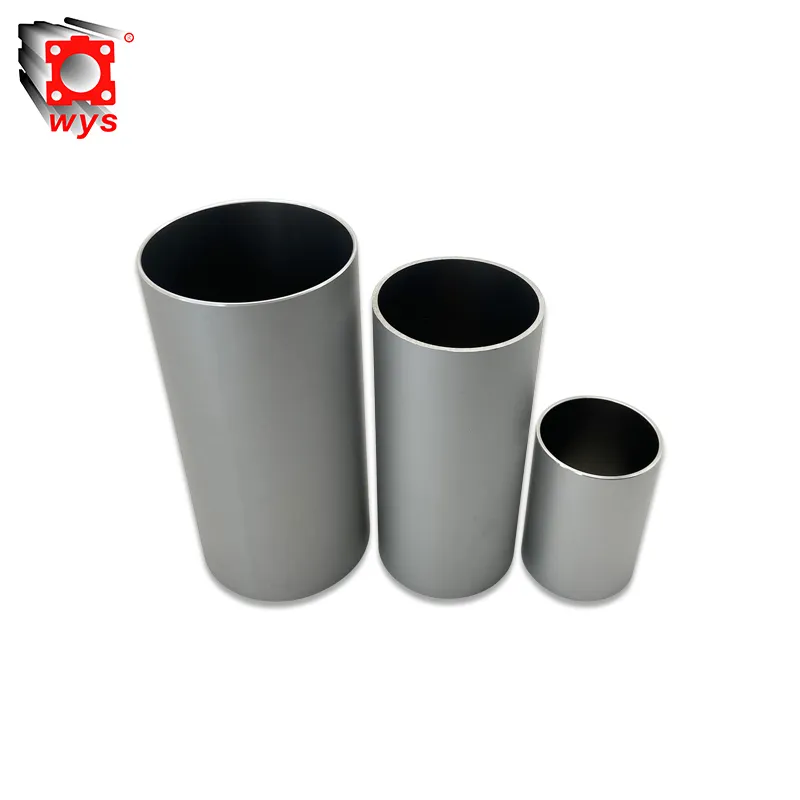
The pneumatic cylinder barrel is primarily responsible for:
•Providing space for piston movement
•Withstanding internal air pressure
•Maintaining a sealed environment
The tie rods, meanwhile, are primarily responsible for:
•Connecting the pneumatic cylinder tube to the end caps
•Providing structural constraint
•Sharing the overall load on the cylinder
When the cylinder is in operation, the internal air pressure attempts to push the end caps outward; the tie rods counteract this by exerting a tensile force that holds the end caps against the barrel, thereby maintaining structural balance.
This "internal pressure plus external tension" loading pattern enables the cylinder to operate stably at higher pressures.
What are the considerations regarding the number and layout of tie rods?
The number and arrangement of tie rods typically vary depending on the cylinder specifications.
Common design configurations include:
•Four tie rods distributed symmetrically
•Multiple tie rods evenly spaced around the pneumatic cylinder tube
The design regarding the number of tie rods usually depends on the following factors:
•Cylinder bore size
•Operating pressure
•Length of the pneumatic cylinder barrel
Cylinders with larger bores or higher operating pressures require more tie rods to ensure structural stability.
A well-designed tie rod layout can:
•Distribute stress evenly
•Minimize deformation of the pneumatic cylinder barrel
•Enhance overall structural strength
Uneven distribution of tie rods can lead to unbalanced loading on the pneumatic cylinder tube, thereby compromising the cylinder's operational stability.
Do tie rods affect the sealing performance of the pneumatic cylinder tube?
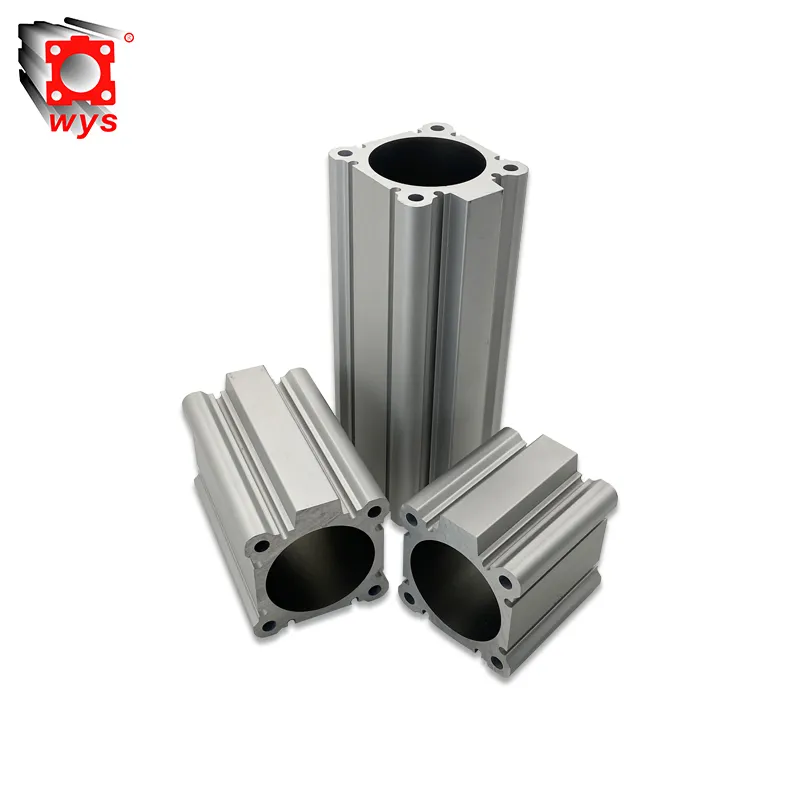
Structurally speaking, tie rods do not participate directly in the sealing function; therefore, they do not directly affect the internal sealing performance of the pneumatic cylinder barrel. However, from the perspective of the overall structure, tie rods still indirectly influence sealing performance.
The reasons are as follows:
•Tie rods ensure a tight fit between the end caps and the pneumatic cylinder tube.
•They prevent seal failure caused by loosening.
•They maintain uniform pressure on the seals.
If tie rods become loose or the load is uneven, a gap may form between the end cap and the cylinder barrel, thereby compromising the seal.
Therefore, although tie rods are not sealing components themselves, they play a crucial role in maintaining the sealing integrity of the pneumatic cylinder tube.
What impact does tie rod loosening have on the pneumatic cylinder tube?
Over long-term operation, if tie rods loosen, it can affect the cylinder's structure in several ways.
The effects of loose tie rods on the pneumatic cylinder barrel include:
•A loose connection between the end caps and the cylinder barrel
•Increased gas leakage
•Uneven stress distribution on the cylinder barrel
•Unstable cylinder operation
In severe cases, loose tie rods can even lead to structural failure of the cylinder.
Furthermore, when the pneumatic cylinder tube is subjected to uneven stress, the following issues may occur:
•Localized deformation
•Accelerated wear on the inner wall
•Damage to the seals
Consequently, checking the tightness of the tie rods is a vital part of equipment maintenance.
Why do some cylinders not use a tie-rod structure?
Although the tie-rod structure is very common, not all cylinders utilize this design.
Some cylinders employ the following structural forms:
•Tie-rodless cylinders
•Integrated cylinder body structures
•Welded or threaded connection structures
These designs typically achieve the connection between the cylinder barrel and the end caps through other means, such as:
•Threaded connections
•Flange connections
•One-piece molding
In comparison, the advantages of the tie-rod structure include:
•Simple construction
•Ease of disassembly and maintenance
•High adaptability
Therefore, the tie-rod structure remains the mainstream design choice for many standard cylinders.
Why are tie-rod material and strength important?
Since tie rods must withstand the tensile force generated by the internal pressure of the cylinder, their material and strength are critical.
Tie rods are typically made from:
•High-strength steel
•Alloy steel
These materials offer the following characteristics:
•High tensile strength
•Excellent fatigue resistance
•Good stability
Insufficient tie rod strength can lead to:
•Tie rod deformation
•Loosening of connections
•Abnormal stress on the pneumatic cylinder barrel
Therefore, when designing a cylinder, the strength of the tie rods must match the pressure-bearing capacity of the pneumatic cylinder tube.
What should be considered regarding tie rods during cylinder maintenance?
Although tie rods are not classified as high-wear parts, they still require regular inspection during routine maintenance.
Key inspection points include:
•Checking for loose tie rods
•Verifying the integrity of threaded connections
•Checking for corrosion or damage
•Checking for bending or deformation
Any issues detected with the tie rods should be addressed promptly to prevent adverse effects on the pneumatic cylinder barrel and the overall structure.
Additionally, when reassembling the cylinder, ensure the tie rods are tightened evenly to avoid uneven stress distribution on the pneumatic cylinder tube.
Can You Support Wholesale Orders and Bulk Purchasing?
Yes, Weiyingjia is fully equipped for wholesale and bulk purchasing requirements. With 6 production lines and a large factory area, we can handle continuous supply demands for distributors, equipment manufacturers, and industrial traders. Our sales team provides fast quotations, clear lead times, and customized order management for global buyers. Whether you need standard aluminum cylinder barrels or custom pneumatic tube solutions, our company can support stable production schedules.
We Are Sincerely Seeking Agents. Welcome To Inquire.