

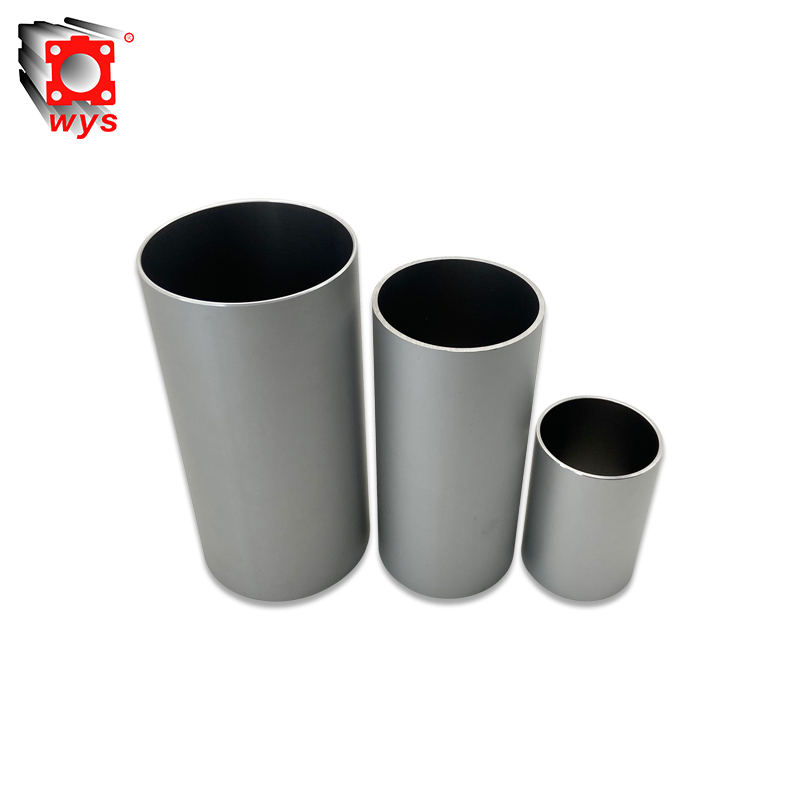
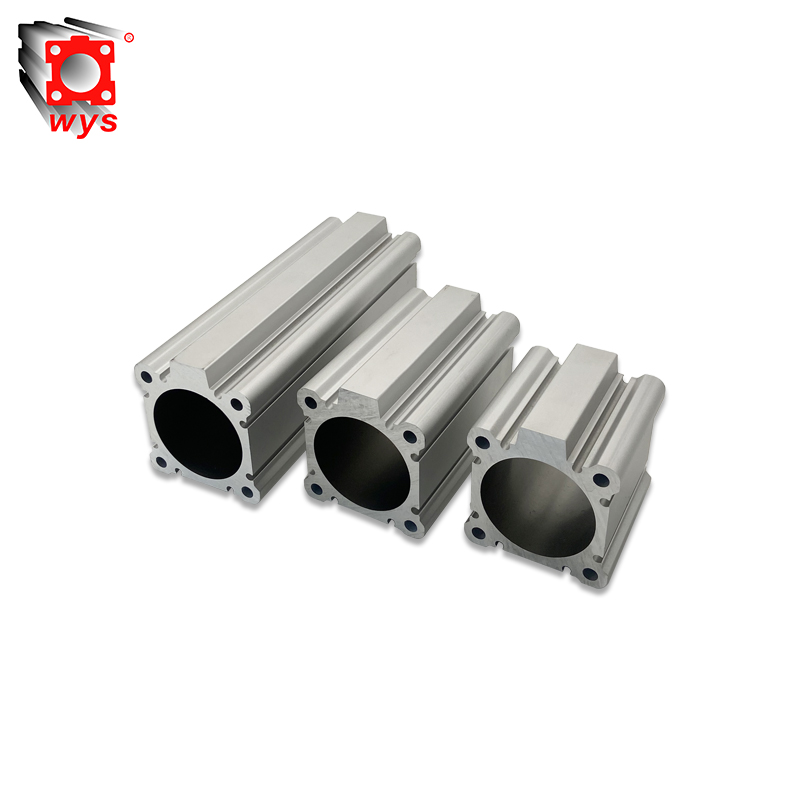
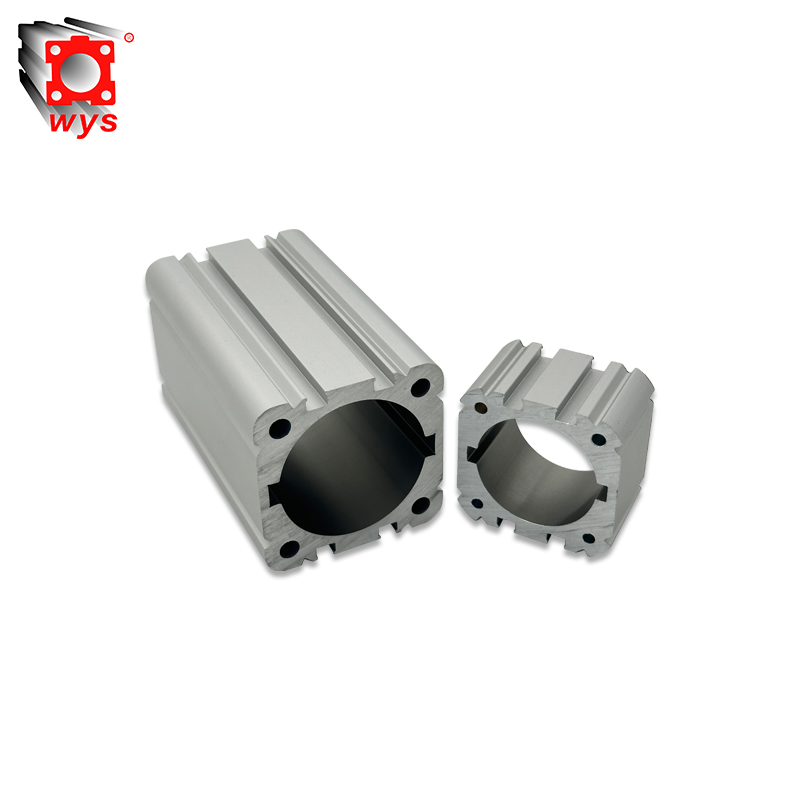
As industrial automation continues to advance, pneumatic technology—valued for its simple structure, rapid response, low maintenance costs, and adaptability to complex operating conditions—is widely used in fields such as machinery manufacturing, automated production lines, packaging equipment, electronics assembly, food processing, medical equipment, and logistics conveying. As the core actuating component of a pneumatic system, the cylinder performs the vital task of converting the energy of compressed air into mechanical motion.
Among the many components inside a cylinder, the pneumatic cylinder barrel—while appearing to be merely a hollow cylindrical structure—actually determines the cylinder's operational quality, service life, and efficiency. When examining cylinder construction, many people focus on parts like the piston, seals, piston rod, or cushioning mechanism, often overlooking the importance of the barrel itself.
In fact, whether dealing with standard, compact, rodless, or heavy-duty cylinders, the barrel is one of the most fundamental and critical components. Without a high-quality barrel, the cylinder's pressure-bearing capacity, motion precision, and sealing performance cannot be guaranteed; consequently, the industry generally regards the barrel as the foundation of the cylinder's operation.
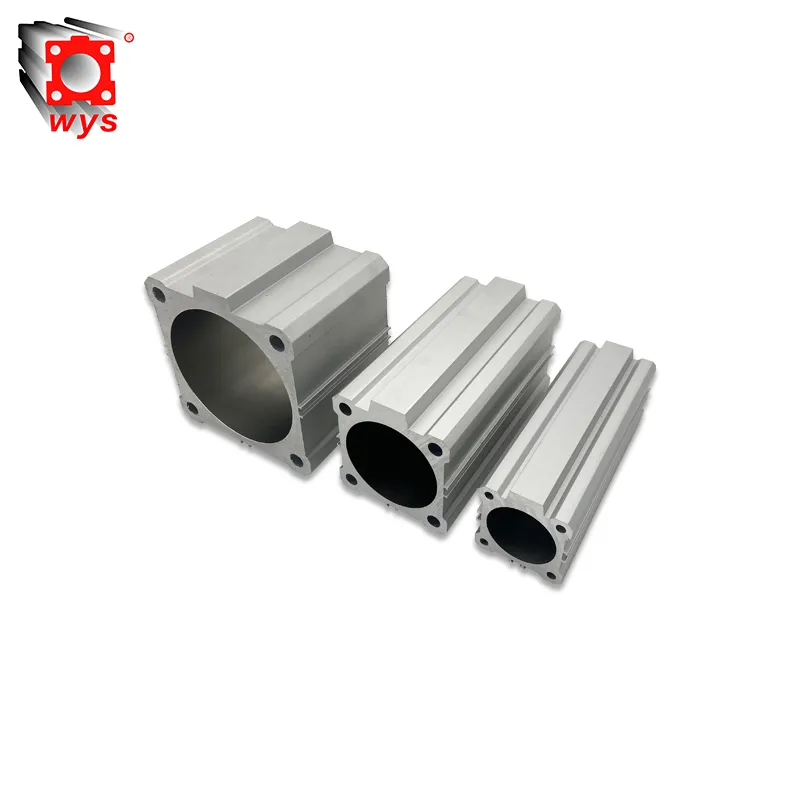
What exactly is a pneumatic cylinder barrel, and why is it an indispensable part of the cylinder?
The pneumatic cylinder barrel is a key component of the cylinder's main structure and serves as the housing for the piston's movement. Structurally, it is typically a precision-machined cylindrical tube connected at both ends to the front and rear end caps, forming a relatively sealed working chamber for air pressure. When compressed air enters the cylinder, the air pressure acts upon the piston surface, driving the piston and piston rod to perform reciprocating motion, thereby enabling actions such as pushing, pulling, clamping, and positioning.
If the entire cylinder were likened to a building, the barrel would represent the building's main framework. Essential components—such as the piston, seals, guide mechanisms, and cushioning systems—rely on the barrel for installation and operation. In other words, the pneumatic cylinder barrel is not merely a container; it is the foundational platform for the cylinder's entire motion system. It must withstand internal air pressure loads, provide a guiding track for the piston's movement, and ensure long-term sealing and wear resistance; consequently, the technical requirements for it are far more stringent than those for standard industrial piping.
As automation equipment demands ever-higher levels of precision and stability, the modern pneumatic cylinder barrel has evolved from a simple mechanical part into a critical industrial component that integrates high-precision machining, wear-resistant surface treatments, and high-strength material technologies. Many high-end automation systems impose strict specifications regarding dimensional tolerances, internal wall roughness, and surface hardness for these barrels, with machining precision often reaching the micron level.
Where is the pneumatic cylinder tube located within the cylinder assembly?
In terms of overall structure, the pneumatic cylinder tube forms the central body of the cylinder, serving as the vital link between the front and rear end caps. A complete cylinder assembly typically comprises the barrel, piston, piston rod, end caps, seals, cushioning mechanisms, and mounting accessories, with the pneumatic cylinder tube situated at the core of these components.
Once assembled, the piston resides inside the barrel, maintaining a dynamic seal against the inner wall via sealing rings. When compressed air enters the barrel's internal chamber through the inlet, a pressure differential is created across the piston, driving it to move axially along the barrel. Throughout this process, the piston's trajectory relies entirely on the guiding function provided by the barrel's inner wall, and the energy conversion from the compressed air occurs exclusively within the sealed space defined by the barrel.
From a structural mechanics perspective, the pneumatic cylinder barrel is one of the components subjected to the most complex combined loads within the cylinder assembly. On one hand, it must withstand the continuous pressure exerted by the internal compressed air; on the other, it must endure the friction and impact forces generated by the piston's high-speed reciprocating motion. Furthermore, during operation, the barrel is subject to mounting stresses, vibrational loads, and fluctuations in ambient temperature. Thus, the pneumatic cylinder barrel occupies not only the structural center but also performs the most critical mechanical support function during the cylinder's operation.
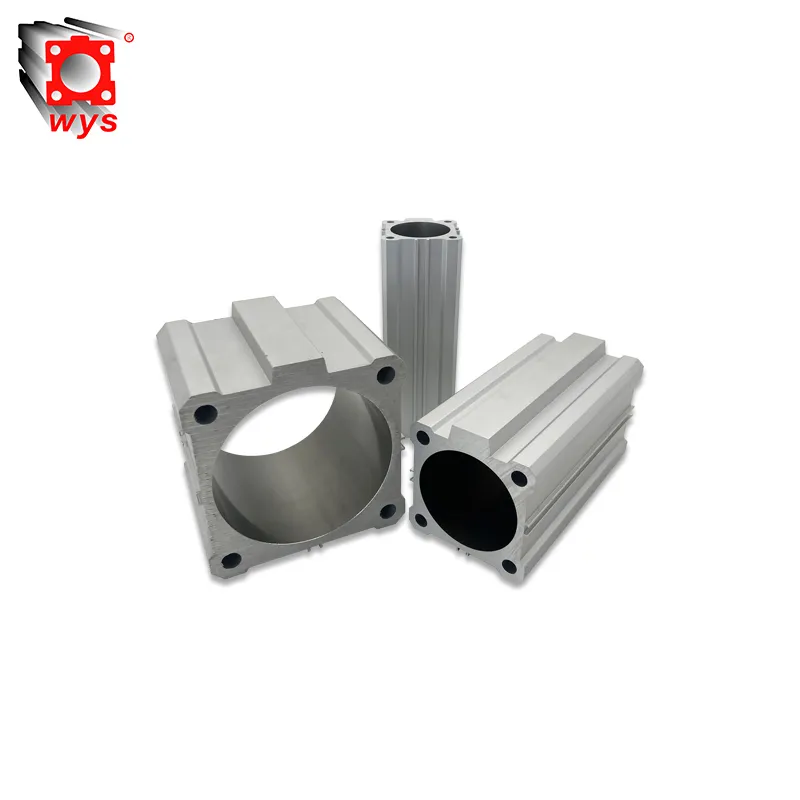
Why is the pneumatic cylinder barrel considered the foundation of cylinder operation?
The pneumatic cylinder barrel is considered the foundation of cylinder operation not merely because it constitutes the main structural component, but more importantly because it directly influences nearly all core performance metrics—including pressure-bearing capacity, sealing performance, operational precision, output efficiency, and service life.
First, the barrel determines whether the cylinder possesses a stable working chamber. The fundamental mechanism for generating power in a cylinder involves using compressed air to drive the piston; this air must be contained within a space that offers sufficient strength and sealing integrity. It is the barrel that creates this space. If the barrel lacks strength or undergoes deformation, pneumatic energy cannot be effectively converted into mechanical energy, rendering the cylinder unable to function correctly.
Second, the barrel dictates the precision of the cylinder's movement. As the piston undergoes high-speed reciprocating motion, it relies on the inner wall of the barrel for guidance. Issues such as roundness errors, coaxiality deviations, or excessive inner-wall roughness can lead to unstable piston movement, potentially causing sticking, uneven wear, or air leakage. This is particularly critical in high-precision automation equipment, where the manufacturing quality of the barrel often directly determines the production precision of the final product.
Third, the barrel affects the cylinder's energy efficiency. According to the formula for cylinder thrust, thrust is the product of pressure and piston area. However, in actual operation, if the quality of the barrel's inner wall is poor—compromising the seal—compressed air will leak, resulting in a loss of air pressure. Data from industrial energy-saving studies indicate that approximately 15% to 30% of energy waste in pneumatic systems is linked to leakage, and the quality of the barrel is a key factor influencing sealing effectiveness.
Furthermore, the barrel directly impacts the equipment's service life. Cylinders on industrial automation lines may perform tens or even hundreds of thousands of cycles daily, subjecting the inner wall to continuous wear. If the barrel's material properties are inadequate or its surface treatment is substandard, its lifespan will be significantly reduced, thereby compromising the reliability of the entire cylinder system.
What key roles does the pneumatic cylinder tube play during cylinder operation?
1. Pressure-bearing function
One of the most fundamental and critical functions of a pneumatic cylinder tube is to withstand compressed air pressure. In industrial applications, standard operating pressures typically range from 0.4 MPa to 0.8 MPa, while heavy-duty equipment may require pressures exceeding 1.0 MPa. The barrel must reliably sustain these pressures; therefore, its material strength and structural rigidity must meet specific standards.
Under conditions of long-term, high-frequency operation, the barrel must withstand not only static pressure but also fatigue loads resulting from cyclical pressure fluctuations. Consequently, high-quality barrels are typically manufactured from high-strength aluminum alloys, stainless steel, or specialized steels to ensure they do not deform or crack during extended use.
2. Guiding function
As the piston moves within the barrel, it must maintain precise axial linear motion. The inner wall of the barrel effectively serves as a guide track. If the inner wall lacks sufficient precision, the piston may experience misalignment or vibration during operation, thereby compromising the equipment's stability.
Guiding performance is particularly crucial for long-stroke cylinders. A high-precision barrel ensures stable piston movement across the entire stroke, thereby enhancing positioning accuracy and operational consistency.
3. Sealing function
A cylinder's operating efficiency depends heavily on its internal sealing performance. A dynamic seal is formed between the piston seal and the barrel's inner wall, and the effectiveness of this seal is directly influenced by the quality of the barrel's internal finish.
Generally, high-quality barrels undergo precision honing, resulting in an inner wall surface roughness of Ra 0.2 to Ra 0.4 micrometers. This surface finish reduces frictional resistance and facilitates the formation of a stable lubricating film, ensuring long-term sealing integrity.
4. Supporting function
Beyond housing the internal motion system, the pneumatic cylinder tube serves as the primary structural support for the entire cylinder assembly. Components such as the front and rear end caps, mounting hardware, and certain sensors are attached directly to the barrel. In essence, the barrel supports not only the piston motion system but also the mechanical structure of the cylinder as a whole.
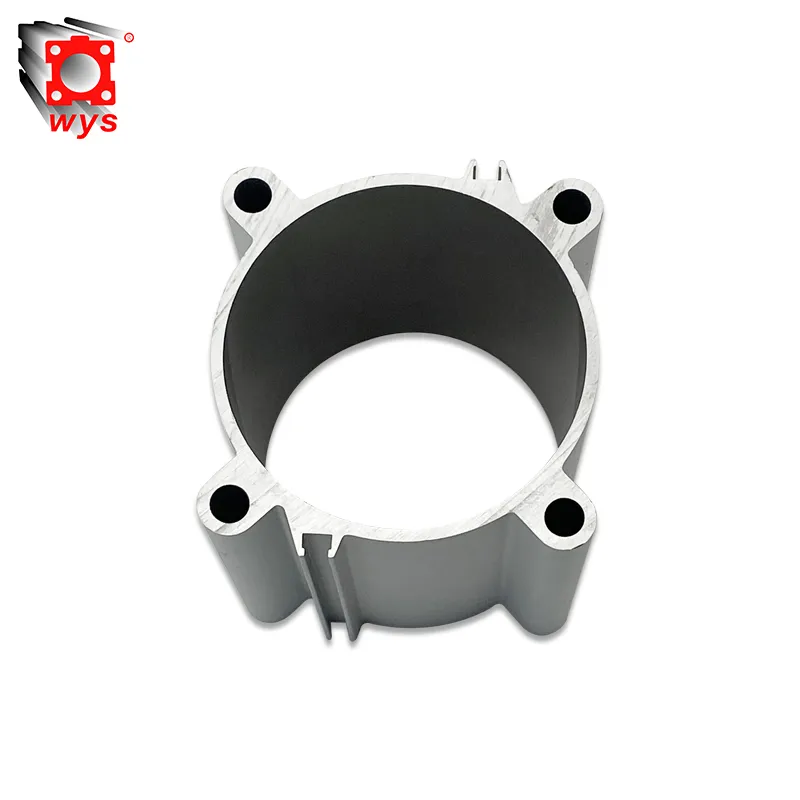
Analysis of Common Materials and Performance Characteristics of Pneumatic Cylinder Barrels
Pneumatic cylinder barrels on the market today are primarily manufactured from three categories of materials: aluminum alloy, stainless steel, and carbon steel. Among these, aluminum alloy barrels are the most widely used.
Aluminum alloy barrels are characterized by their light weight, excellent machinability, strong corrosion resistance, and moderate cost. Common materials include 6063, 6061, and 6082 aluminum alloys. Industry statistics indicate that aluminum alloy barrels hold a market share of over 70% in the automation equipment sector. They have become the mainstream choice, particularly in industries such as electronics manufacturing, packaging machinery, and logistics automation.
Stainless steel barrels are primarily used in the food, pharmaceutical, and chemical industries. These sectors demand high standards for hygiene and corrosion resistance, leading to the common use of 304 or 316 stainless steel. Although the cost is relatively high, these barrels ensure stable, long-term operation in humid, acidic, or alkaline environments.
Carbon steel barrels are more commonly found in large-scale construction machinery and heavy-duty equipment. Due to their high mechanical strength and pressure-bearing capacity, they are suitable for applications requiring high thrust and heavy loads. However, they are heavier and require additional anti-rust treatment.
How Manufacturing Processes Affect the Final Performance of Pneumatic Cylinder Barrels
The performance of modern pneumatic cylinder barrels depends not only on the material itself but is also closely linked to the manufacturing process. High-quality barrels typically undergo multiple stages, including extrusion, precision machining, honing, and surface strengthening.
The extrusion process ensures material uniformity and enhances overall structural strength. Precision turning and broaching processes control dimensional accuracy and roundness. For high-end barrels, the inner diameter tolerance is typically controlled within ±0.01 mm or even tighter limits.
Honing is a crucial step in enhancing performance. This process creates a mirror-like finish on the inner wall, thereby reducing the friction coefficient and improving sealing effectiveness. Extensive testing shows that precision-honed barrels can extend seal service life by more than 20%.
Additionally, hard anodizing is a widely adopted technique for modern pneumatic cylinder tubes. The surface hardness of standard aluminum alloys is approximately HV80; however, after hard anodizing, the surface hardness can exceed HV300, significantly enhancing wear resistance. This is a key reason why high-end pneumatic cylinder tubes can achieve a service life of tens of millions of cycles.
FAQ
What is the main difference between an air cylinder barrel and standard industrial tubing?
An air cylinder barrel is a precision functional component subject to strict requirements regarding dimensional accuracy, roundness, coaxiality, surface roughness, and wear resistance. In contrast, standard industrial tubing primarily serves structural or fluid-conveyance purposes and cannot meet the operational demands of high-frequency internal movement and high-level sealing required by air cylinders.
Does the inner wall roughness of an air cylinder barrel significantly affect cylinder performance?
The impact is significant. Excessive inner wall roughness increases frictional resistance and seal wear, leading to air leakage and reduced efficiency. Conversely, an optimal inner wall finish facilitates the formation of a stable lubricating film, enhancing sealing performance and extending service life; therefore, high-quality pneumatic cylinder tubes typically undergo precision honing.
Why do high-end automation systems place such high importance on air cylinder barrel quality?
High-end automation systems demand exceptional motion accuracy, repeatability, and long-term stability—performance characteristics closely linked to the machining precision and surface quality of the air cylinder barrel. Higher barrel quality results in more stable equipment operation and superior product consistency.
What surface treatment processes are commonly used for air cylinder barrels?
Hard anodizing is currently the most widely used process. Depending on specific application requirements, other treatments—such as chrome plating, Teflon coating, ceramic coating, and various surface hardening techniques—may also be employed to enhance wear and corrosion resistance.
How can one evaluate the quality of an air cylinder barrel?
Quality can be assessed through a comprehensive evaluation of factors such as material, dimensional accuracy, inner wall finish, quality of the oxide layer, pressure-bearing capacity, and the manufacturer's machining capabilities. Generally, barrels produced by manufacturers with high-precision machining capabilities and robust quality inspection systems offer superior performance and reliability.