

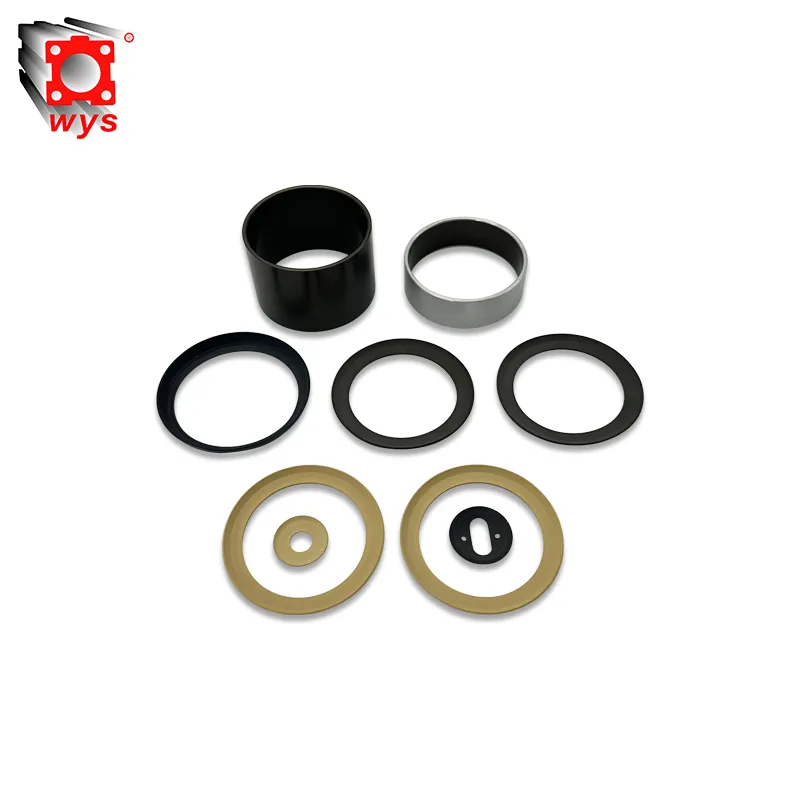
In pneumatic systems, cylinders are crucial actuators for achieving mechanical motion, and the sealing system is a key component ensuring stable cylinder operation. Pneumatic cylinder seal kits are among the most important sealing components inside the cylinder.
The main function of pneumatic cylinder seal kits is to prevent compressed air leakage and maintain stable internal cylinder pressure, thereby ensuring the cylinder can output thrust and complete reciprocating motion normally.
Generally, the temperature resistance range of pneumatic cylinder seal kits varies depending on the material, but some high-performance materials can withstand temperatures up to approximately 200°C.
To better understand this issue, this article will systematically analyze the material structure, temperature resistance performance, and the impact of temperature on pneumatic systems of pneumatic cylinder seal kits.
What are pneumatic cylinder seal kits?
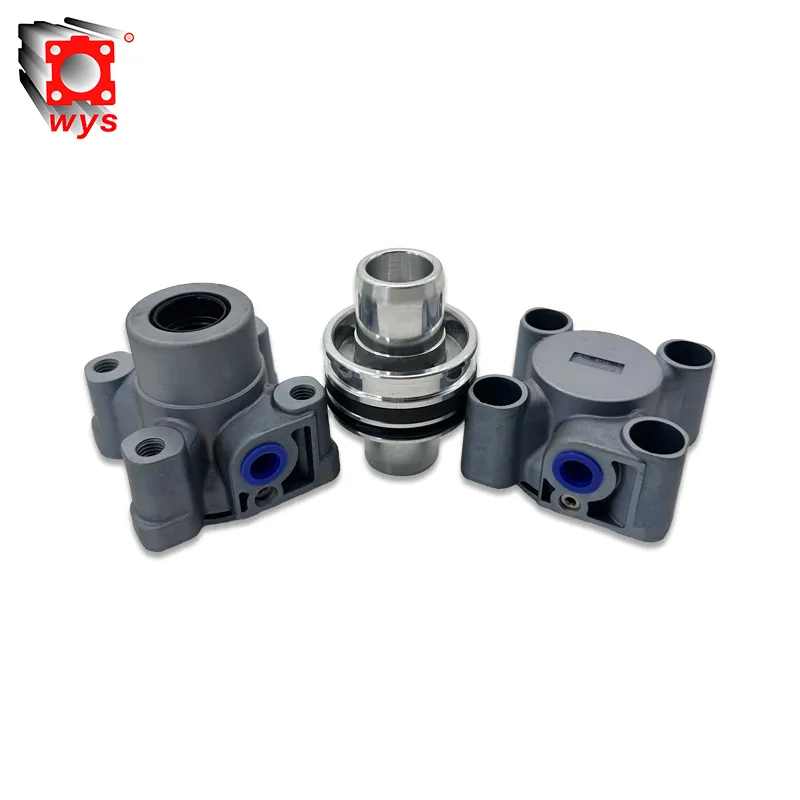
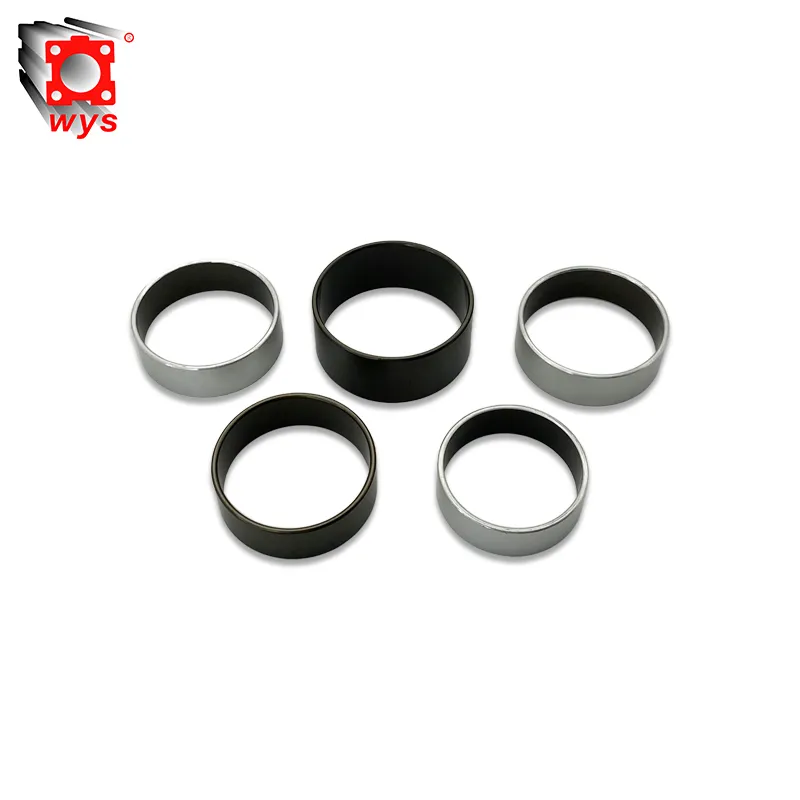
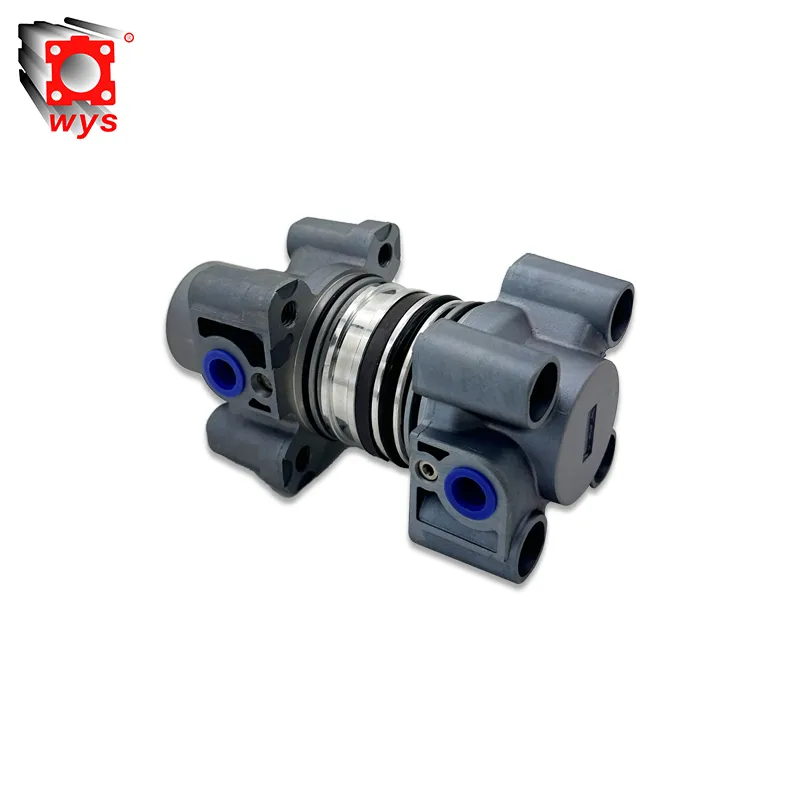
In the internal structure of a pneumatic cylinder, pneumatic cylinder seal kits are a key component used to seal the gas. They are typically installed around the piston or piston rod to prevent compressed air leakage and ensure a stable gas pressure environment inside the cylinder.
Pneumatic cylinder seal kits typically possess the following characteristics:
• Good elasticity
• Excellent sealing performance
• High wear resistance
• Certain temperature resistance
During cylinder operation, the piston reciprocates within the cylinder, and the pneumatic cylinder seal kit maintains contact with the cylinder wall, thus forming an effective sealing structure.
If the performance of the pneumatic cylinder seal kit is insufficient, air leakage may occur, affecting cylinder operating efficiency.
Why do pneumatic cylinder seal kits need to possess heat resistance?
Temperature changes are unavoidable during the operation of pneumatic systems. Compressed air entering the pneumatic system typically undergoes compression and expansion processes, both of which generate heat.
In addition, the following factors may also cause the internal temperature of a pneumatic cylinder to rise:
• Continuous operation of the equipment
• Heat generated by friction
• High ambient temperature
• Increased compressed air temperature
Under these conditions, if pneumatic cylinder seal kits do not have sufficient heat resistance, the following problems may occur:
• Material softening
• Decreased sealing performance
• Structural deformation
• Accelerated wear
Therefore, pneumatic cylinder seal kits must possess a certain degree of heat resistance to ensure stable operation of the cylinder in high-temperature environments.
What temperature range can pneumatic cylinder seal kits withstand?
The heat resistance temperature of pneumatic cylinder seal kits mainly depends on their material type. Different materials exhibit significant differences in stability at high temperatures.
The temperature ranges of common pneumatic cylinder seal kit materials are as follows:
1. Rubber-based materials
Pneumatic cylinder seal kits made of ordinary rubber materials typically withstand temperatures of:
• 80℃
• 100℃
This material is suitable for general pneumatic equipment.
2. Polyurethane Materials
Polyurethane materials have good wear resistance, and their pneumatic cylinder seal kits typically withstand temperatures of:
• 80℃
• 120℃
This material is widely used in pneumatic systems.
3. Fluororubber Materials
Fluororubber has high temperature resistance, and its pneumatic cylinder seal kits can withstand temperatures of:
• 150℃
• 200℃
Therefore, fluororubber pneumatic cylinder seal kits are usually chosen for high-temperature pneumatic environments.
4. PTFE Materials
PTFE materials have excellent heat resistance, and some high-performance pneumatic cylinder seal kits can operate stably in environments approaching 200℃.
Therefore, overall, the heat resistance temperature of high-performance pneumatic cylinder seal kits can reach approximately 200℃.
What are the effects of excessively high temperatures on pneumatic cylinder seal kits?
If the pneumatic system temperature exceeds the temperature range of the pneumatic cylinder seal kits, the seal's performance may degrade.
Common effects include:
1. Material softening
High temperatures reduce material hardness, causing pneumatic cylinder seal kits to lose their original structural stability.
2. Decreased sealing performance
When the pneumatic cylinder seal kit material softens or deforms, gaps may appear at the sealing interface, leading to gas leakage.
3. Accelerated wear
Under high temperatures, the wear resistance of materials may decrease, thus accelerating the wear of pneumatic cylinder seal kits.
4. Material aging
Prolonged exposure to high temperatures may cause pneumatic cylinder seal kit material aging, thereby reducing its service life.
How to select pneumatic cylinder seal kits suitable for high-temperature environments?
When using pneumatic equipment in high-temperature environments, special attention should be paid to the material selection of pneumatic cylinder seal kits.
When selecting pneumatic cylinder seal kits, consider the following factors:
• Operating temperature range
• Operating pressure
• Speed of movement
• Friction conditions
If the equipment operates at high temperatures, choose pneumatic cylinder seal kits with better temperature resistance, such as:
• Fluororubber seals
• PTFE seals
These materials maintain stable performance at higher temperatures.
Does the temperature resistance of pneumatic cylinder seal kits affect cylinder life?
The temperature resistance of pneumatic cylinder seal kits does indeed affect the overall lifespan of the cylinder.
If pneumatic cylinder seal kits are exposed to near their temperature limits for extended periods, their lifespan may be significantly shortened.
Conversely, if pneumatic cylinder seal kits have high temperature resistance and operate within a suitable temperature range, they can maintain a longer lifespan.
How to prevent pneumatic cylinder seal kits from being damaged by high temperatures?
To reduce the impact of high temperatures on pneumatic cylinder seal kits, the following measures can be taken:
• Use cooler compressed air
• Improve equipment heat dissipation
• Choose pneumatic cylinder seal kits with better temperature resistance
• Regularly inspect the seal condition
These measures can effectively extend the service life of pneumatic cylinder seal kits.
Does Weiyingjia offer competitive prices for bulk orders?
Yes. Weiyingjia specializes in manufacturing aluminum alloy pneumatic cylinders and components with strict quality control. Our large-scale factory and experienced technical staff allow us to supply bulk orders at competitive prices. Purchasing from Weiyingjia ensures high-quality, durable, and precision-engineered products. Companies and wholesalers seeking a reliable manufacturer can trust our brand Weiyingjia for consistent supply, professional support, and reasonable prices for both small and large-scale projects.