

In the field of industrial automation, pneumatic systems are widely used in various processes such as clamping, handling, positioning, pushing, and sorting.
Many people, when using pneumatic equipment, only focus on the cylinder or a single actuator, neglecting a more fundamental question:
What are the components of a pneumatic system?
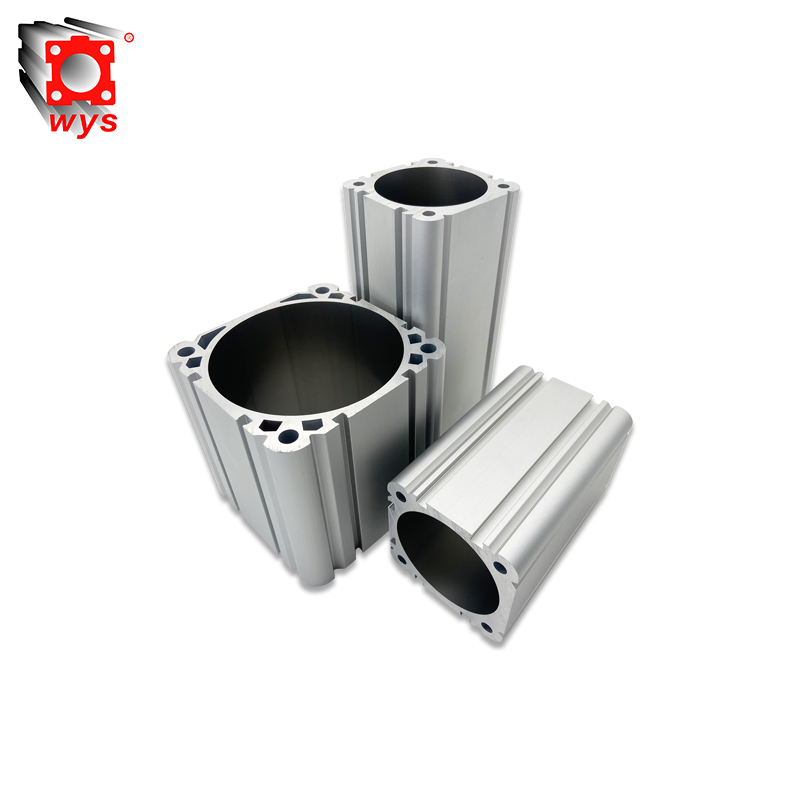
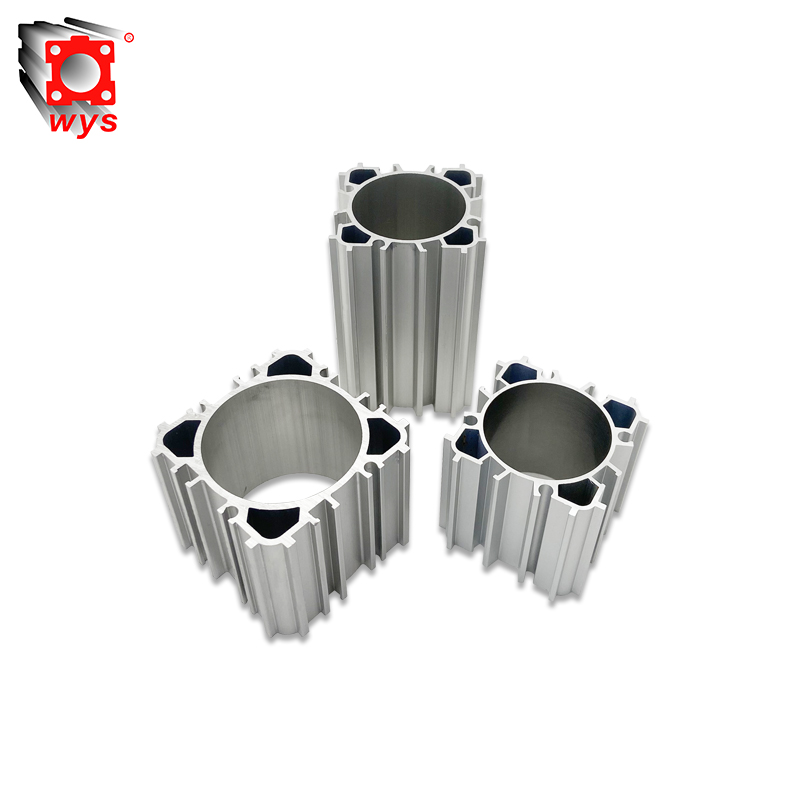
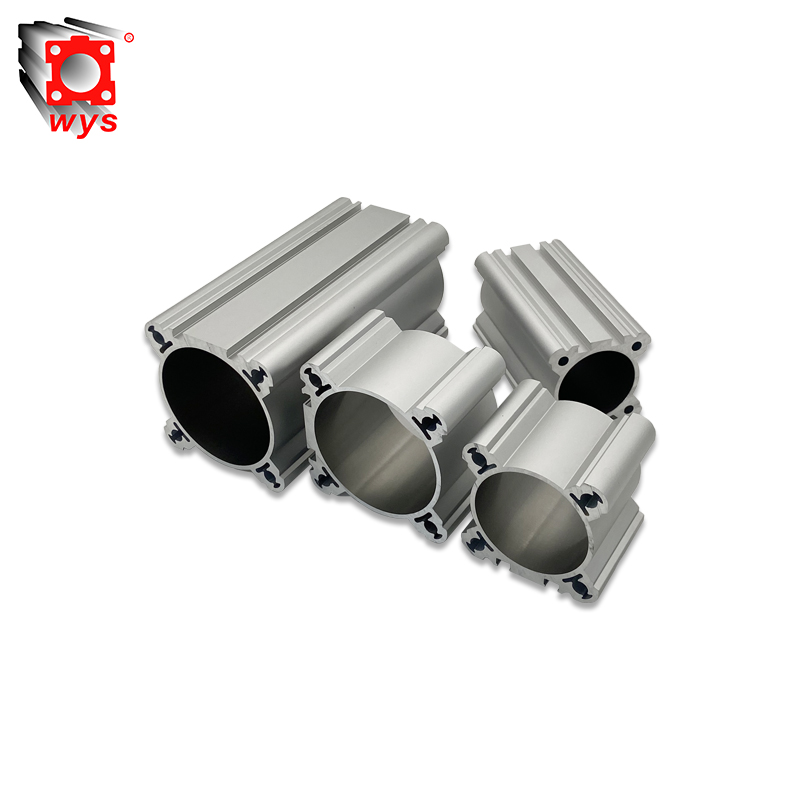
In fact, a complete, stable, and controllable pneumatic system is not simply composed of a cylinder, but rather of multiple functional modules working together. Among them, the pneumatic cylinder barrel, as the core actuator, plays a crucial role in the entire system, but it is only one part of the system.
This article will focus on the question, "What are the components of a pneumatic system?", starting from the system structure level, systematically, professionally, and logically breaking down the components of a pneumatic system.
Why is it essential to understand the composition of a pneumatic system from a system perspective?
Many technical problems recur because they often stem from focusing only on a single component while neglecting the system structure.
For example:
• Insufficient thrust of the pneumatic cylinder barrel
• Slowoperation of the pneumatic cylinder barrel
• Unstable operation of the pneumatic cylinder barrel
These problems appear to occur in the pneumatic cylinder barrel, but the root cause may lie in the air supply processing unit or control components.
Therefore, to truly understand the composition of a pneumatic system, a systems thinking approach is essential.
Basic Framework of a Pneumatic System
From an engineering perspective, a standard pneumatic system typically consists of the following five main parts:
1. Air supply unit
2. Air supply processing unit
3. Control components
4. Actuators (the core is the pneumatic cylinder barrel)
5. Auxiliary components and piping system
Next, we will analyze each component in turn.
What does the air supply unit include? Why is it the starting point of a pneumatic system?
What is an air supply unit?
The air supply unit is the power source of the pneumatic system, primarily responsible for providing compressed air.
It typically includes:
• Air compressor
• Air tank
• Cooling device
How does the quality of the air supply affect the pneumatic cylinder barrel?
The stability of the air supply pressure and the cleanliness of the air directly affect:
• The output thrust of the pneumatic cylinder barrel
• The smoothness of the pneumatic cylinder barrel's operation
• The seal life of the pneumatic cylinder barrel
If the air supply is unstable, even if the pneumatic cylinder barrel's structure is intact, normal operation cannot be guaranteed.
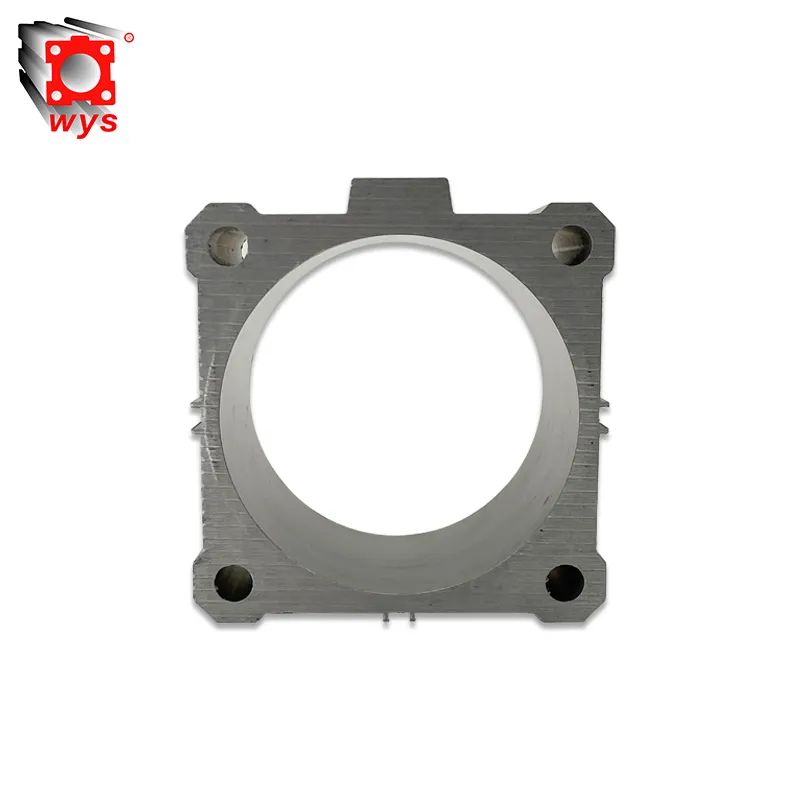
What are the components of the air supply preparation unit?
Why is it crucial for the pneumatic cylinder barrel?
This is a crucial component that many people overlook.
The air supply preparation unit typically includes:
• A filter
• A pressure reducing valve
• An oil mist lubricator
These three components are often collectively referred to as the FRL assembly.
Why does air supply preparation have such a significant impact on the pneumatic cylinder tube?
Because the internal operating environment of the pneumatic cylinder tube depends entirely on the quality of the incoming compressed air.
• If the air has a high moisture content, the pneumatic cylinder tube may experience internal wall corrosion.
• If there are many impurities, the inner wall of the pneumatic cylinder tube is prone to wear.
• If the pressure is unstable, the output force of the pneumatic cylinder tube will fluctuate.
Therefore, the air supply preparation unit is an important prerequisite for ensuring the long-term stable operation of the pneumatic cylinder barrel.
What role do control elements play in a pneumatic system?
What are control elements?
• Solenoid valve
• Manual valve
• Directional control valve
• Flow control valve
How do control elements affect the pneumatic cylinder barrel?
The functions of control elements are:
• Controlling the direction of compressed air flow
• Controlling the extension or retraction of the pneumatic cylinder barrel
• Regulating the operating speed of the pneumatic cylinder barrel
If the control valve response is unstable, the pneumatic cylinder tube may exhibit:
• Delayed action
• Uneven operation
• Frequent impacts
Therefore, although the pneumatic cylinder tube is the core of the actuator, the control element determines its operating logic.
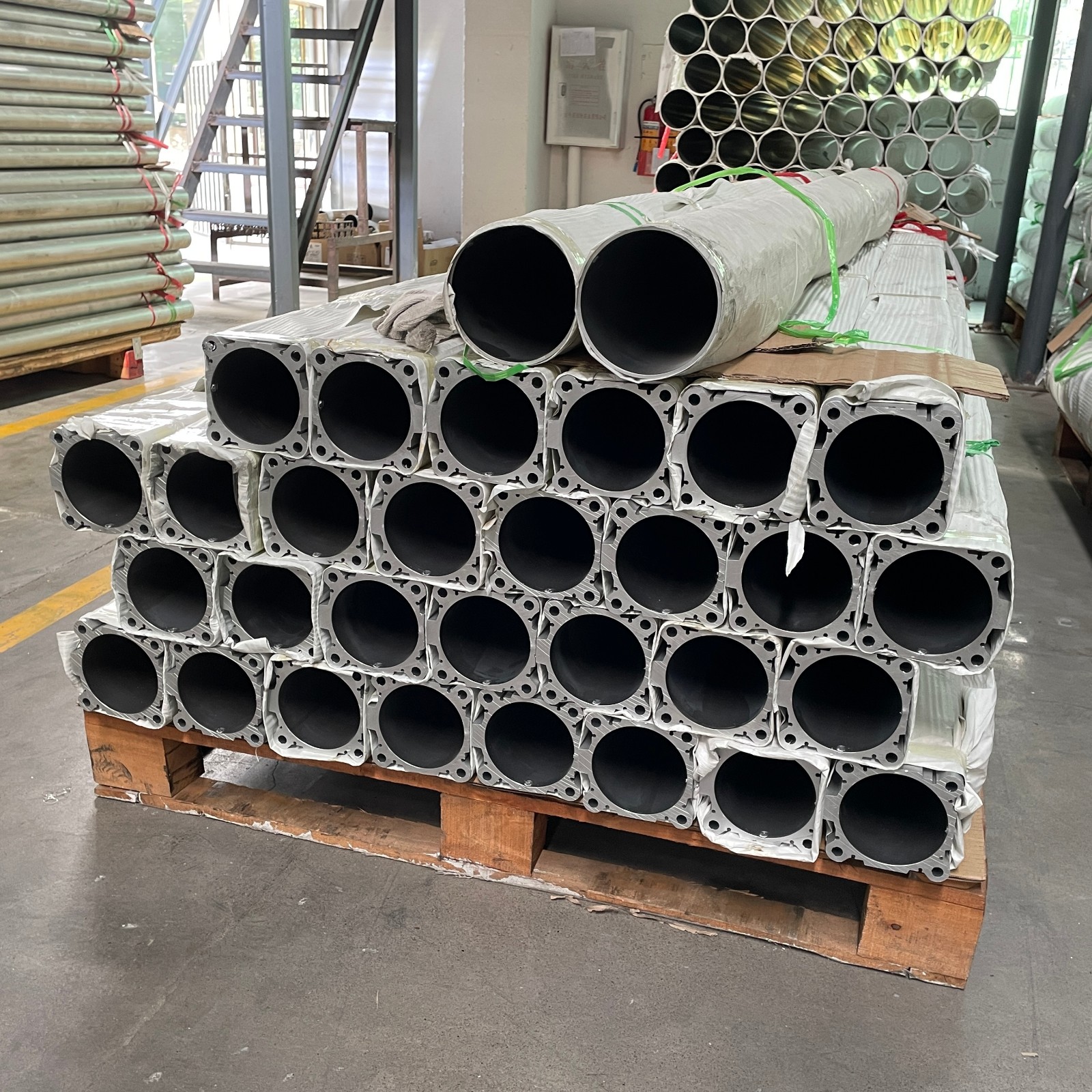
Actuator: The core of power output in a pneumatic system
What types of actuators are there?
In a pneumatic system, actuators mainly include:
• Pneumatic cylinder
• Pneumatic motor
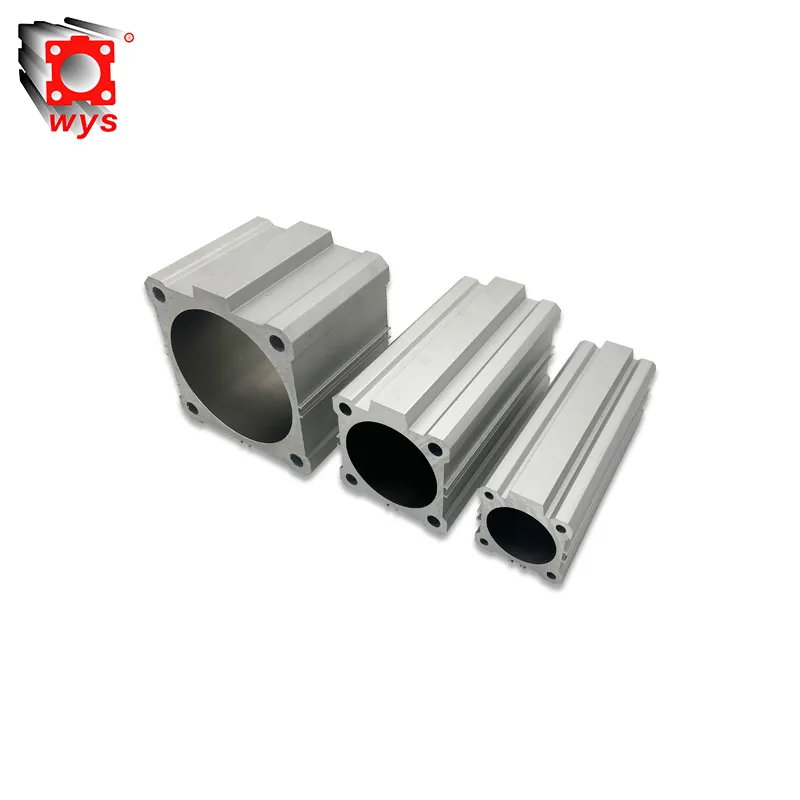
Among these, the most common actuator is the pneumatic cylinder, and the main structure of the pneumatic cylinder is the pneumatic cylinder tube.
Why is the pneumatic cylinder tube considered the core structure of the actuator?
A pneumatic cylinder typically consists of the following components:
• Pneumatic cylinder tube
• Piston
• Piston rod
• Sealing system
• End cap
Among these components, the pneumatic cylinder barrel is responsible for pressure bearing, guiding, and creating a sealed environment.
The pneumatic cylinder barrel's role in the system includes:
• Forming a pressure chamber
• Ensuring smooth piston movement
• Bearing internal air pressure
• Providing structural support
It can be said that without a pneumatic cylinder barrel, there is no complete pneumatic cylinder.
Does the role of the pneumatic cylinder barrel differ in different types of pneumatic systems?
From a basic functional perspective, the pneumatic cylinder barrel always bears pressure and guides.
However, depending on the system design:
• In a single-acting system, the pneumatic cylinder barrel is pressurized on only one side.
• In a double-acting system, the pneumatic cylinder barrel is pressurized alternately on both sides.
Regardless of the form, the pneumatic cylinder barrel is the fundamental structure for the pneumatic system to output mechanical energy.
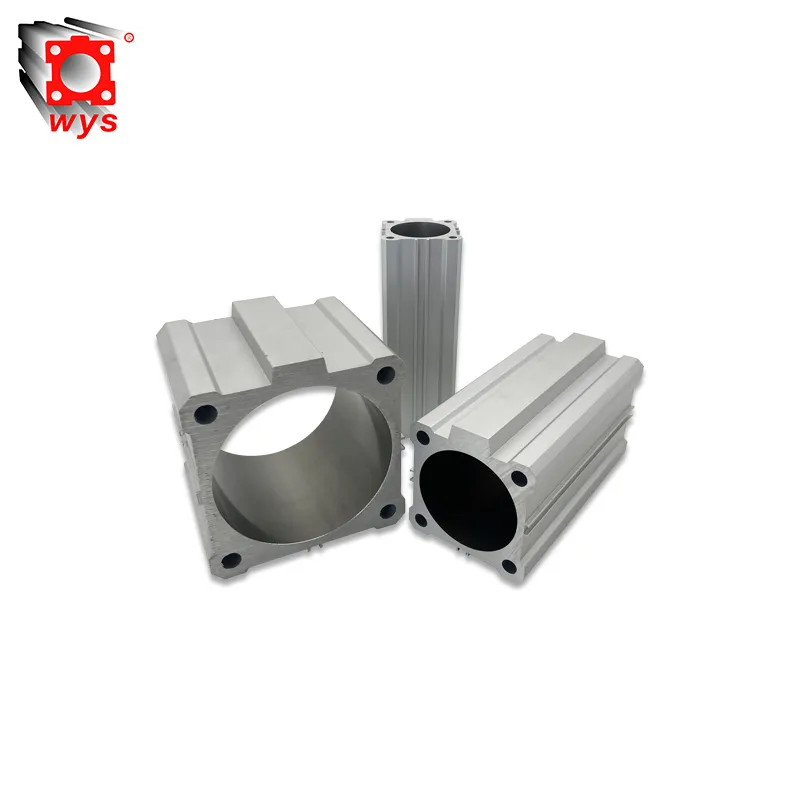
Auxiliary Components and Piping Systems
What are the auxiliary components?
Auxiliary components typically include:
• Mufflers
• Connectors
• Quick-connect couplings
• Piping fixtures
• Mounting brackets
While these components do not directly participate in power conversion, they indirectly affect the operational stability of the pneumatic cylinder tube.
What impact does the piping system have on the pneumatic cylinder tube?
Compressed air is delivered to the pneumatic cylinder tube through piping.
If there are problems with the piping, such as:
• Excessive length
• Insufficient diameter
• Leaking joints
These will all lead to the pneumatic cylinder tube experiencing:
• Insufficient air supply
• Slow operation
• Reduced output force
Therefore, the piping system is an indispensable component of the pneumatic system.
Functional Structure Logic of a Pneumatic System
From an overall logical perspective, the workflow of a pneumatic system is as follows:
1. The air source generates compressed air.
2. The air source processing unit purifies and regulates the pressure.
3. The control element distributes the airflow direction.
4. The compressed air enters the pneumatic cylinder tube.
5. The pneumatic cylinder tube drives the piston to complete the mechanical output.
In this process, the pneumatic cylinder tube is at the final energy conversion stage, and its state directly reflects the overall system performance.
Why do many system problems ultimately manifest as pneumatic cylinder barrel malfunctions?
Because the pneumatic cylinder barrel is the "end-point actuator" of the system.
Whether it's:
• Fluctuations in the air source
• Valve malfunction
• Pipeline leakage
These will ultimately affect the pneumatic cylinder barrel's performance.
This is why, when analyzing a pneumatic system, it's essential to start with the entire system and not just focus on the pneumatic cylinder barrel itself.
The Relationship Between Components of a Pneumatic System
A pneumatic system can be understood as a complete chain:
• Air source is the energy source
• Processing unit is the support unit
• Control element is the brain
• Pneumatic cylinder barrel is the actuator
• Auxiliary elements are the supporting structure
Among them, the pneumatic cylinder tube plays the role of the final mechanical output.
Can a pneumatic system lack certain parts?
From the perspective of structural integrity:
• Without an air source, the system cannot operate.
• Without a control element, the pneumatic cylinder barrel cannot move.
• Without the pneumatic cylinder barrel, the system cannot output mechanical force.
Therefore, the pneumatic cylinder barrel is an indispensable core component.
What are the components of a pneumatic system?
A complete pneumatic system typically consists of the following five parts:
1. Air source device
2. Air source processing unit
3. Control element
4. Actuator (core is the pneumatic cylinder barrel)
5. Auxiliary components and piping system
Among these, the pneumatic cylinder tube, as the core structure of the actuator, is the key foundation for the pneumatic system to achieve mechanical output.
Is Weiyingjia suitable for purchasing custom orders?
Definitely. Weiyingjia provides custom aluminum alloy pneumatic cylinders and components tailored to client specifications. Our factory and skilled technical team ensure high precision, durability, and efficiency. Companies purchasing from us for wholesale or brand projects gain access to strict quality control, competitive prices, and professional support.