

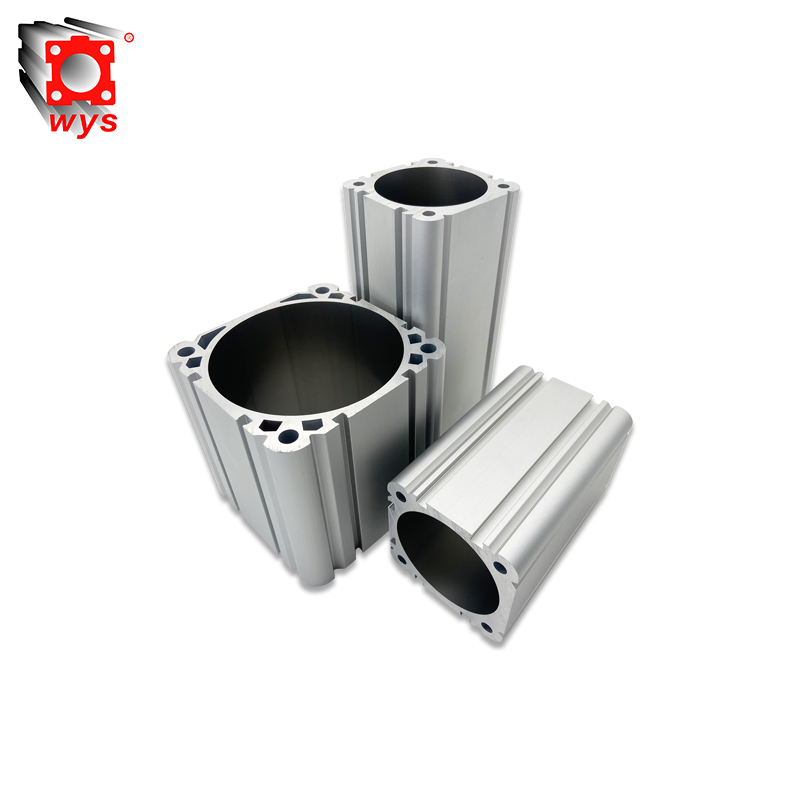
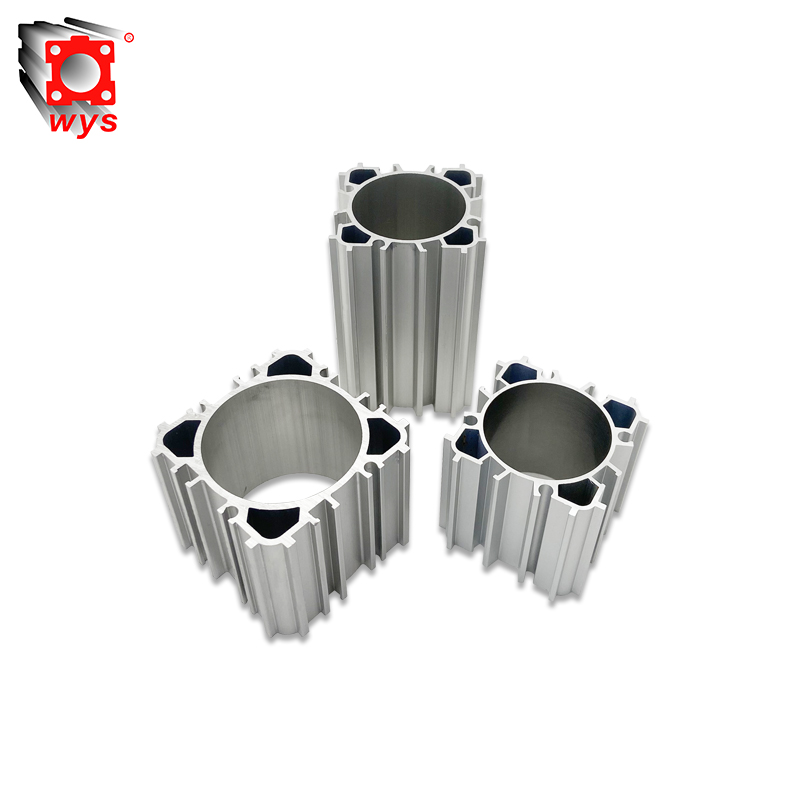
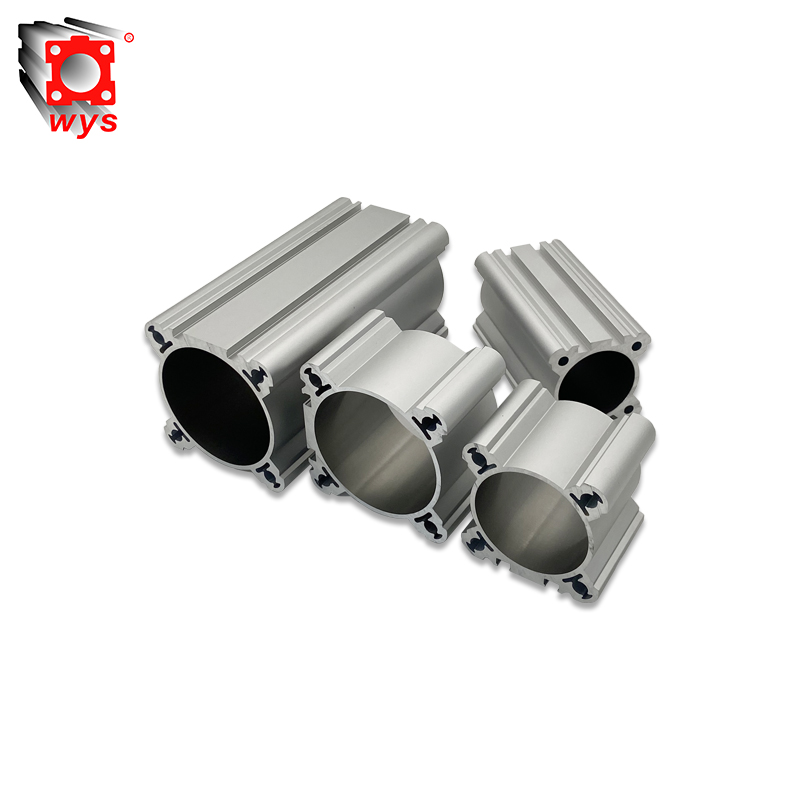
In pneumatic systems, the cylinder is one of the most basic and critical actuators. Within the cylinder's structure, the pneumatic cylinder barrel occupies a central position. Many engineers, when selecting cylinders, often focus on bore, stroke, or mounting method, easily overlooking the structural characteristics and technical requirements of the pneumatic cylinder barrel itself.
In fact, the pneumatic cylinder barrel not only determines the stability of piston movement but also directly affects the cylinder's sealing performance, service life, and overall operating efficiency.
So, what is a pneumatic cylinder barrel? What functions does it perform? What are the professional standards for its structure, materials, and manufacturing requirements?
This article will provide a systematic and in-depth explanation of these questions, helping readers to comprehensively understand the pneumatic cylinder tubel from an engineering perspective.
What is a pneumatic cylinder barrel?
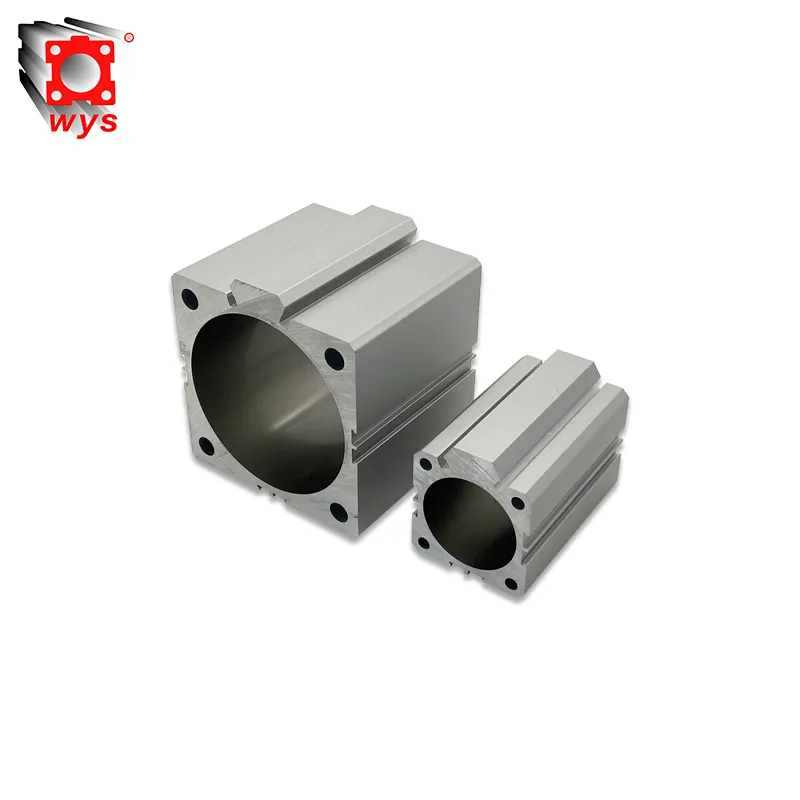
The pneumatic cylinder barrel is the main structural component of the cylinder, a hollow, cylindrical part with closed ends or end caps. The piston and piston rod complete their reciprocating linear motion inside the pneumatic cylinder barrel.
Functionally, the pneumatic cylinder barrel primarily undertakes the following core tasks:
1. Providing a sealed space for piston movement
The pneumatic cylinder barrel forms a sealed cavity, allowing compressed air to create a pressure difference across the piston, thereby driving its movement.
2. Withstanding gas pressure and maintaining structural stability
During operation, the pneumatic cylinder barrel needs to withstand the pressure from the internal compressed air for extended periods; its structural strength and rigidity are crucial.
3. Providing precise motion guidance for the piston and seals
The straightness, roundness, and surface roughness of the pneumatic cylinder barrel's inner bore directly affect the smoothness of piston operation.
It can be said that without a high-quality pneumatic cylinder barrel, there is no stable and reliable cylinder system.
What is the basic structure of a pneumatic cylinder barrel?
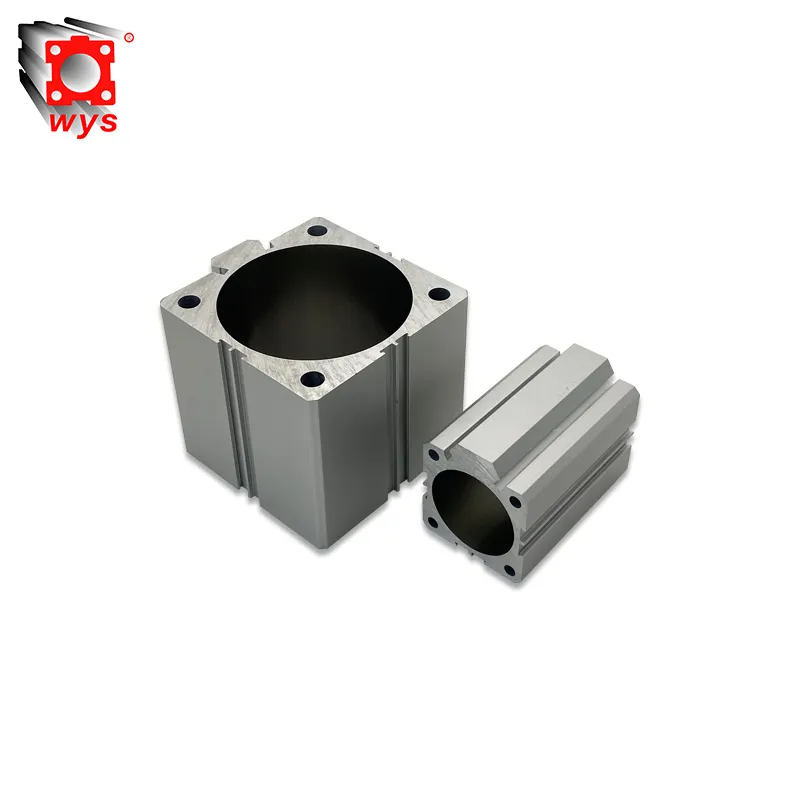
Structurally, a pneumatic cylinder barrel typically resembles a standard cylinder. While its design appears simple, it actually requires extremely high manufacturing precision.
1. Inner Bore Structure
The inner bore of the pneumatic cylinder barrel is the most critical working surface. The piston, seals, and inner bore are in direct contact; therefore, the inner bore must:
• Have a clean, impurity-free surface
• Have high smoothness, with roughness typically required to be low
• Maintain good straightness and roundness
Scratches, ripples, or geometric errors in the pneumatic cylinder barrel's inner bore can lead to abnormal wear of the seals and even leakage.
2. Outer Wall Structure
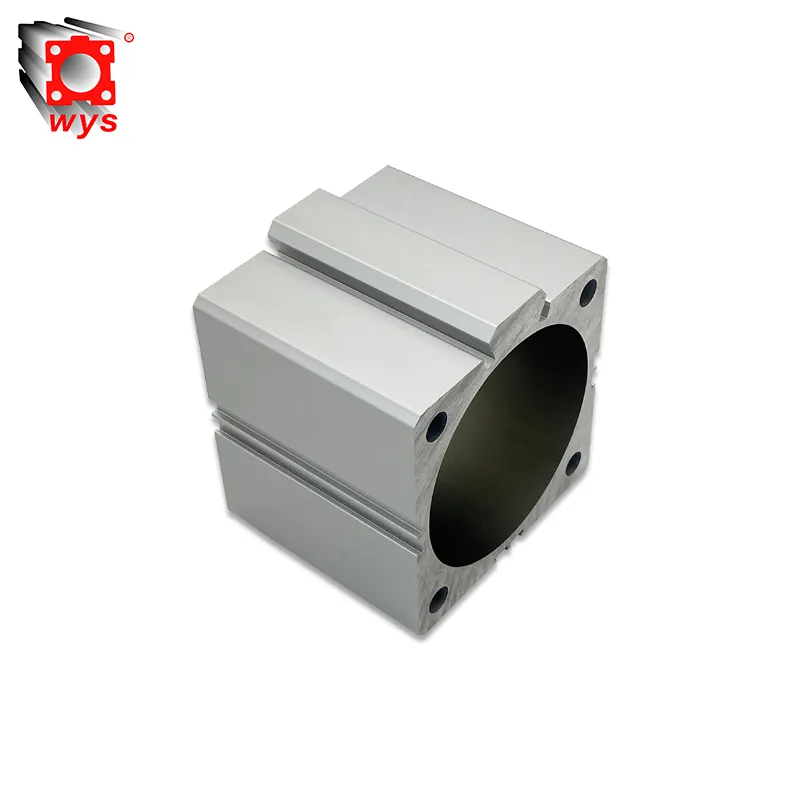
The outer wall of the pneumatic cylinder barrel primarily provides mechanical strength and installation fit. Depending on different design requirements, the outer wall may include:
• A smooth outer surface for rod cylinders
• A special shape with mounting grooves or holes
• An outer diameter tolerance design for easy fixing
3. End Connection Structure
The two ends of the pneumatic cylinder barrel typically need to be connected to the front and rear end caps. Common methods include:
• Rod connection
• Threaded connection
• Snap ring or flange structure
The end structure design directly affects the overall sealing performance and assembly reliability of the cylinder.
Why is the quality of the inner surface of the pneumatic cylinder tube so crucial?
In pneumatic systems, friction and wear are unavoidable problems, and the surface quality of the pneumatic cylinder tube's inner surface is a key factor determining the friction level.
1. The Influence of Inner Surface Roughness on Friction
If the inner wall of the pneumatic cylinder tube is too rough, it will lead to:
• Increased piston running resistance
• Accelerated seal wear
• Unstable operation, resulting in crawling.
Therefore, pneumatic cylinder tubes typically require precision machining and surface treatment during manufacturing to ensure the inner bore meets design requirements.
2. The Importance of Inner Surface Cleanliness
Small metal shavings or machining residues, once left on the inner wall of the pneumatic cylinder tube, can embed in the seals during operation, causing continuous scratches. This is why high-quality pneumatic cylinder barrels usually undergo rigorous cleaning and testing before leaving the factory.
3. Requirements for Inner Surface Consistency
Not only should individual pneumatic cylinder tubes be smooth, but the inner surface quality of pneumatic cylinder tubes from different batches and of different lengths should also be consistent to ensure stable cylinder performance after assembly.
What are the commonly used materials for pneumatic cylinder barrels?
Why is aluminum so widely used?
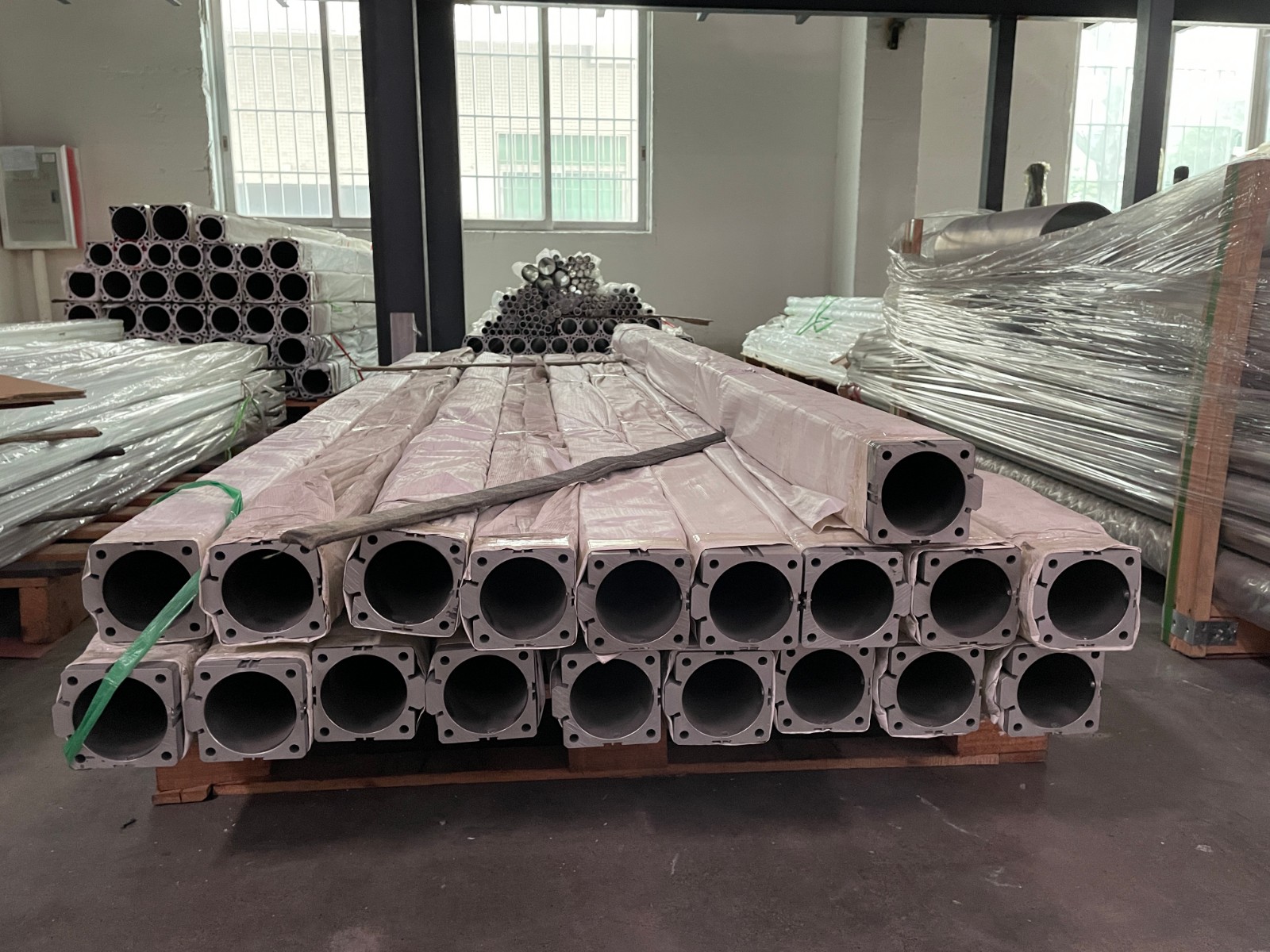
Among the many available materials, aluminum is one of the most common choices for pneumatic cylinder barrels. This is determined by the application characteristics of pneumatic systems.
1. Key Characteristics of Aluminum Pneumatic Cylinder Barrels
Using aluminum in pneumatic cylinder barrels offers the following significant advantages:
• Lightweight: Compared to steel, aluminum pneumatic cylinder barrels significantly reduce overall weight.
• Good corrosion resistance: Aluminum surfaces easily form a dense oxide layer, suitable for various industrial environments.
• Excellent machinability: Easy to precision machine, facilitating the acquisition of high-quality internal bore surfaces.
Therefore, aluminum pneumatic cylinder barrels are commonly used in commercial equipment, automated packaging equipment, and other applications where weight and appearance are critical.
2. Relationship between Pneumatic Cylinder Barrel Material Selection and the Operating Environment
While aluminum is widely used, other materials are chosen for certain special operating conditions. For example:
• Applications requiring extremely high strength
• Applications requiring higher resistance in special chemical environments
However, regardless of the material used, the core design principles of pneumatic cylinder barrels always revolve around sealing, wear resistance, and structural stability.
How does a pneumatic cylinder tube ensure sealing performance?
Sealing performance is a prerequisite for cylinder operation, and the pneumatic cylinder tube plays a fundamental supporting role.
1. Relationship with Seals
The pneumatic cylinder tube itself does not have a sealing function, but it provides a reference surface for the installation and operation of seals. If the internal bore dimensional accuracy is not up to standard, even using high-quality sealing rings will make it difficult to achieve an ideal sealing effect.
2. Internal Bore Dimensional Tolerance Control
The internal diameter tolerance of a pneumatic cylinder tube is usually controlled within a small range to ensure:
• The sealing ring is neither over-compressed
• It does not leak due to excessive clearance
This dimensional control is a key focus in the design and manufacturing of pneumatic cylinder tubes.
3. The Influence of Surface Condition on Seal Life
Microscopic defects on the inner surface of the pneumatic cylinder tube will accelerate the aging of the seals, thereby shortening the service life of the entire cylinder.
What are the differences between pneumatic cylinder tubes with different structural forms?
Depending on the overall structure of the cylinder, pneumatic cylinder tubes also come in various forms.
1. Tie-rod type pneumatic cylinder tube
This type of pneumatic cylinder tube has a relatively simple shape, with the end caps fixed together by tie rods. It is commonly found in standard cylinder structures.
2. Pneumatic cylinder barrel without tie rod structure
Some designs use a one-piece or profile-type pneumatic cylinder barrel, achieving fixation and sealing through the cylinder body structure. This requires higher machining precision.
3. Special cross-section pneumatic cylinder barrel
Some pneumatic cylinder barrels use a non-circular outer cross-section, but the internal working hole still maintains a high-precision circular shape to meet installation and space layout requirements.
What decisive role does the pneumatic cylinder barrel play in cylinder performance?
In summary, the pneumatic cylinder barrel's impact on cylinder performance is reflected in several aspects:
• Operational smoothness: The quality of the inner bore directly determines the smoothness of piston movement.
• Sealing reliability: Dimensional accuracy and surface condition affect the sealing effect.
• Durability: Materials and processing techniques affect overall lifespan.
• System efficiency: The magnitude of friction loss is closely related to the quality of the pneumatic cylinder tube.
In short, the pneumatic cylinder tube is the foundation of cylinder performance; without a high-quality pneumatic cylinder tube, stable and reliable pneumatic actuation is difficult to achieve.
How to correctly understand the engineering value of the pneumatic cylinder tube?
The pneumatic cylinder tube is not a simple metal tube, but a key component integrating structural strength, precision machining, and a sealing foundation. It provides a sealed operating environment for the piston; its inner surface must be clean and smooth to reduce friction and wear; its material (such as aluminum) ensures lightweight and corrosion resistance while meeting the requirements of most industrial applications.
Why should I buy from Foshan Weiyingjia Technology Co., Ltd.?
Our factory combines over 15 years of manufacturing experience, advanced production lines, and rigorous quality inspections to deliver high-quality pneumatic cylinder barrels, kits, and components. As a professional supplier and manufacturer, we provide competitive prices, reliable supply, and products that meet strict technical requirements. Buying from Weiyingsi ensures durability, precision, and consistent performance for both wholesale and individual purchases.