

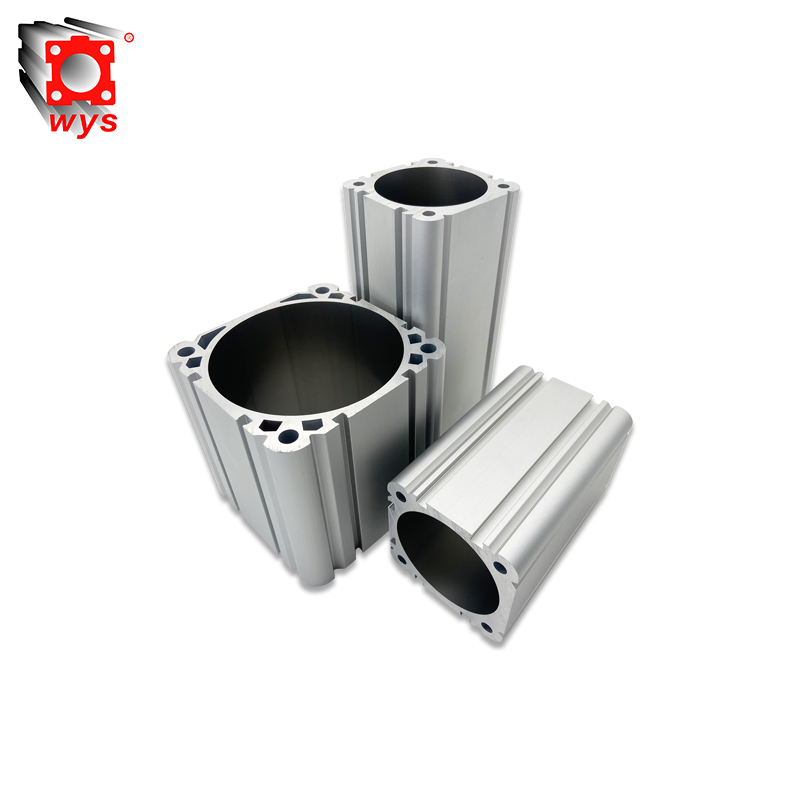
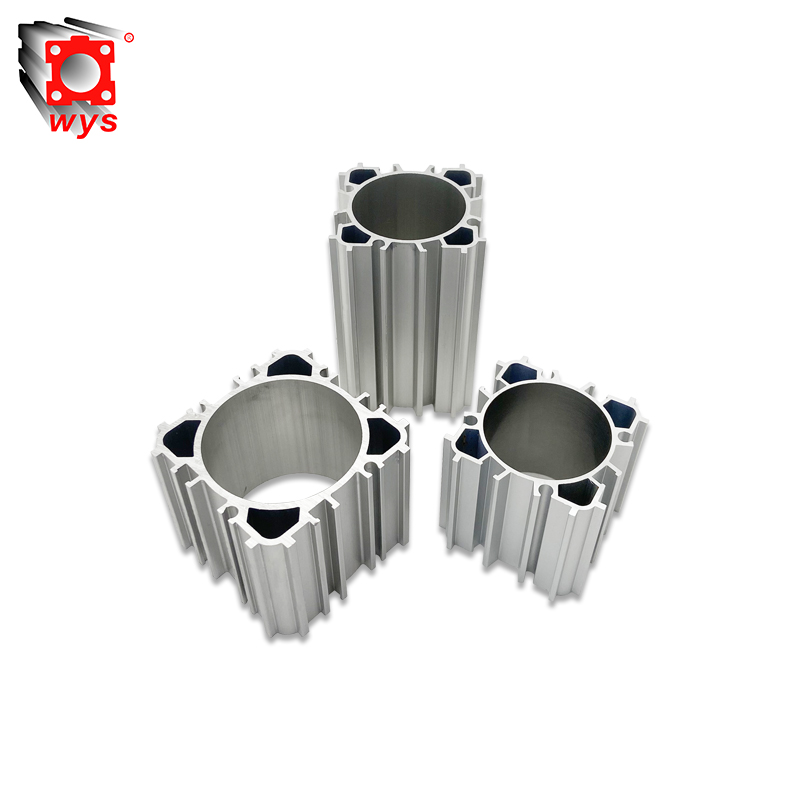
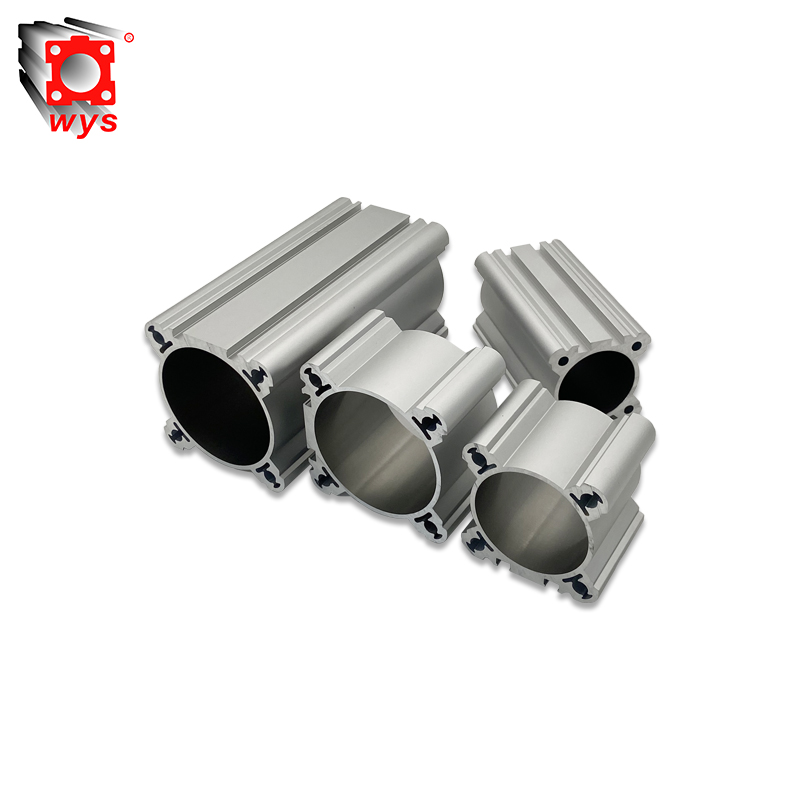
In the structure of a pneumatic cylinder, the sealing system plays a critical role, and the pneumatic cylinder seal itself is one of the core components within that system. The primary function of a pneumatic cylinder seal is to maintain the internal airtightness of the cylinder, prevent the leakage of compressed air, and ensure that the cylinder maintains stable pressure during operation. When a pneumatic cylinder seal becomes damaged, the cylinder's sealing performance deteriorates, thereby compromising the operational efficiency of the entire pneumatic system.
During the long-term operation of pneumatic equipment, instances of pneumatic cylinder seals cracking occasionally occur. Once a seal cracks, the cylinder typically begins to exhibit issues such as air leakage, reduced thrust, and unstable movement.
Therefore, understanding the underlying causes of pneumatic cylinder seal cracking is of significant importance for equipment maintenance and fault prevention.
This article will systematically analyze the question, "What causes pneumatic cylinder seals to crack?" It will provide a detailed overview of the common causes of seal cracking, examining various factors ranging from material properties and operating environments to installation methods.
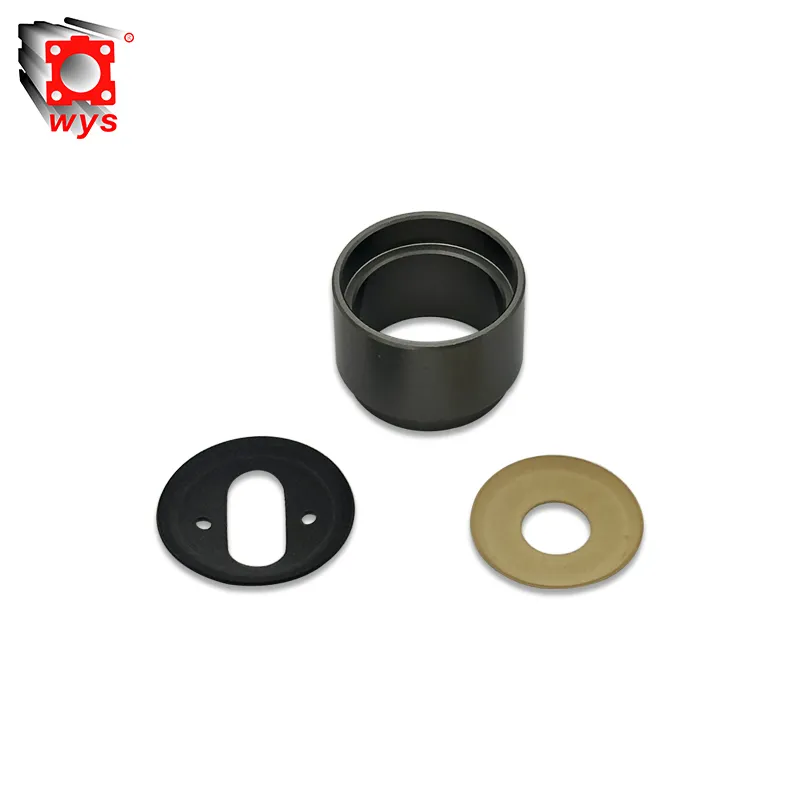
What Is a Pneumatic Cylinder Seal?
Pneumatic cylinder seals are typically installed at critical locations within the cylinder, such as on the piston or within the end caps. Their primary function is to maintain close contact with the inner wall of the cylinder or the surface of the piston rod, thereby creating a sealing structure that prevents the leakage of compressed air.
Pneumatic cylinder seals are typically manufactured from elastic materials, such as:
•Rubber
•Polyurethane
•PTFE (Polytetrafluoroethylene)
These materials possess excellent elasticity and wear resistance, enabling them to maintain a stable seal throughout the cylinder's movement cycles.
However, because air cylinder seals are constantly subjected to friction, pressure, and environmental influences over extended periods, cracking issues may arise under certain circumstances.
Why Do Pneumatic Cylinder Seals Crack?
The cracking of air cylinder seals is typically the result of the combined effects of multiple factors, rather than being caused by a single isolated issue.
Common causes include:
•Material aging
•Excessively high operating pressure
•Extreme temperature fluctuations
•Improper installation
•Severe friction and wear
When these factors persist over time, the material properties of the pneumatic cylinder seal may gradually degrade, ultimately leading to cracking. Therefore, when analyzing the issue of cracking in air cylinder seals, a comprehensive assessment from multiple perspectives is required.
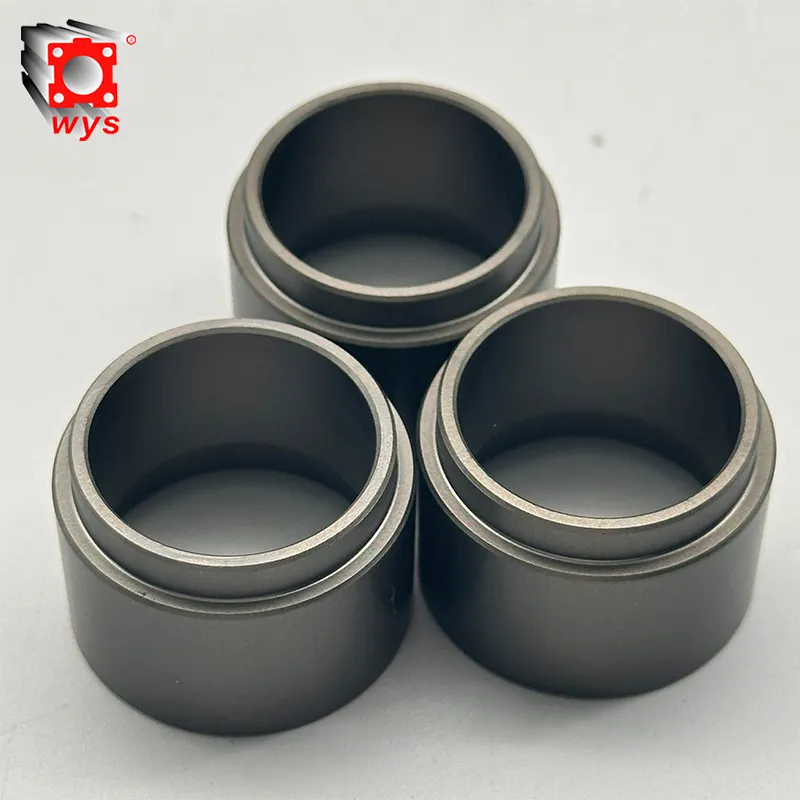
Can material aging of air cylinder seals lead to cracking?
1. Do sealing materials age over time?
Pneumatic cylinder seals are typically made from elastomeric materials, which may gradually age during prolonged use.
Material aging typically manifests in the following ways:
•Decreased elasticity
•Surface hardening
•Reduced tensile strength
As the material of a pneumatic cylinder seal ages, its flexibility diminishes significantly. During the cylinder's operation, the seal must constantly deform to accommodate the movement of the piston; if the material has lost its elasticity, it becomes prone to cracking.
Therefore, material aging is one of the common causes of cracking in pneumatic cylinder seals.
2. Can the operating environment accelerate material aging?
Certain operating environments can accelerate the aging of pneumatic cylinder seal materials, such as:
•High-temperature environments
•Exposure to ultraviolet (UV) radiation
•Chemically corrosive environments
These factors can alter the material's structure, making the pneumatic cylinder seal more susceptible to cracking.
Can excessive pressure in the pneumatic system lead to cracking of the cylinder seal?
1. Are air cylinder seals subjected to pressure?
During the operation of a pneumatic system, the cylinder seal is required to withstand a certain level of internal air pressure. If the pressure within the pneumatic system becomes excessive, the seal may be subjected to undue stress.
When the pressure exceeds the material's load-bearing capacity, the pneumatic cylinder seal may deform or even crack.
Therefore, during the operation of pneumatic equipment, it is essential to ensure that the system pressure remains within a safe and reasonable range.
2. Do pressure fluctuations affect the seal?
In addition to sustained high pressure, frequent pressure fluctuations can also have an adverse effect on air cylinder seals.
When the cylinder frequently starts or stops, the internal pressure may undergo constant variation. These fluctuations subject the pneumatic cylinder seal to repetitive stretching forces, thereby increasing the risk of cracking.
Can improper installation lead to cracking of the pneumatic cylinder seal?
1. Does the installation of the seal require specific orientation?
During the assembly process of a pneumatic cylinder, there are typically specific requirements regarding the installation orientation of the seal. If the seal is installed in the wrong orientation, it may fail to function correctly. Improper installation can result in uneven stress distribution on the seal, thereby increasing the risk of cracking.
2. Can the seal be damaged during the installation process?
When installing air cylinder seals, improper handling can lead to mechanical damage to the seal. For example:
•Scratches caused by tools
•Abrasions from sharp edges
•Excessive stretching during installation
Such damage may not immediately result in seal failure; however, cracks may gradually develop over the course of long-term operation.
Can friction and wear cause air cylinder seals to crack?
1. Does piston movement generate friction?
During the operation of a pneumatic cylinder, the piston moves continuously within the cylinder barrel, requiring the seal to maintain constant contact with the inner wall of the barrel.
This contact inevitably generates a certain amount of friction.
If the friction becomes excessive, the surface of the seal may gradually wear down. When wear becomes severe, the structural integrity of the seal may be compromised, leading to the formation of cracks.
2. Does a lack of lubrication increase wear?
If the pneumatic system lacks adequate lubrication, frictional forces can increase significantly. This condition accelerates the wear rate of the pneumatic cylinder seal.
Therefore, maintaining proper lubrication within the pneumatic system is crucial for extending the service life of the seal.
Do temperature fluctuations affect air cylinder seals?
Temperature fluctuation is another significant factor contributing to seal cracking.
When pneumatic equipment operates in high-temperature environments, the sealing material may gradually soften. Conversely, in low-temperature environments, the material may become more brittle and rigid.
If temperature fluctuations are substantial, the seal may undergo repeated cycles of expansion and contraction. These changes induce stress within the material's structure, thereby increasing the risk of cracking.
Consequently, when selecting materials for pneumatic cylinder seals, it is essential to take into account the operating temperature of the equipment's environment.
How can the risk of pneumatic cylinder seal cracking be minimized?
To mitigate the risk of seal cracking, the following measures can be adopted:
First, it is essential to select high-quality, reliable air cylinder seals. High-quality materials typically exhibit superior wear resistance and anti-aging properties.
Second, ensure that the operating pressure of the pneumatic system remains within a reasonable range to prevent excessive pressure from damaging the seal. Furthermore, when installing pneumatic cylinder seals, it is essential to adhere strictly to established specifications to prevent mechanical damage during the installation process.
Finally, it is also necessary to regularly inspect the operational status of pneumatic equipment and promptly replace any air cylinder seals that have aged or become worn.