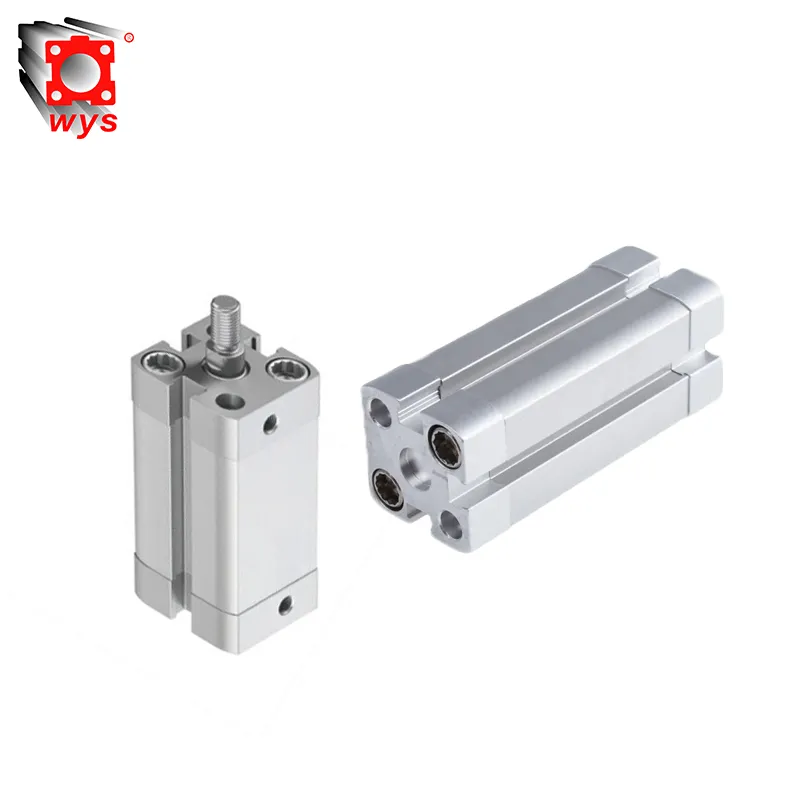
From the perspective of functional completeness and control capability: a double-acting pneumatic cylinder barrel is more comprehensive.
From the perspective of structural simplicity and unidirectional drive requirements: a single-acting pneumatic cylinder barrel is more direct.
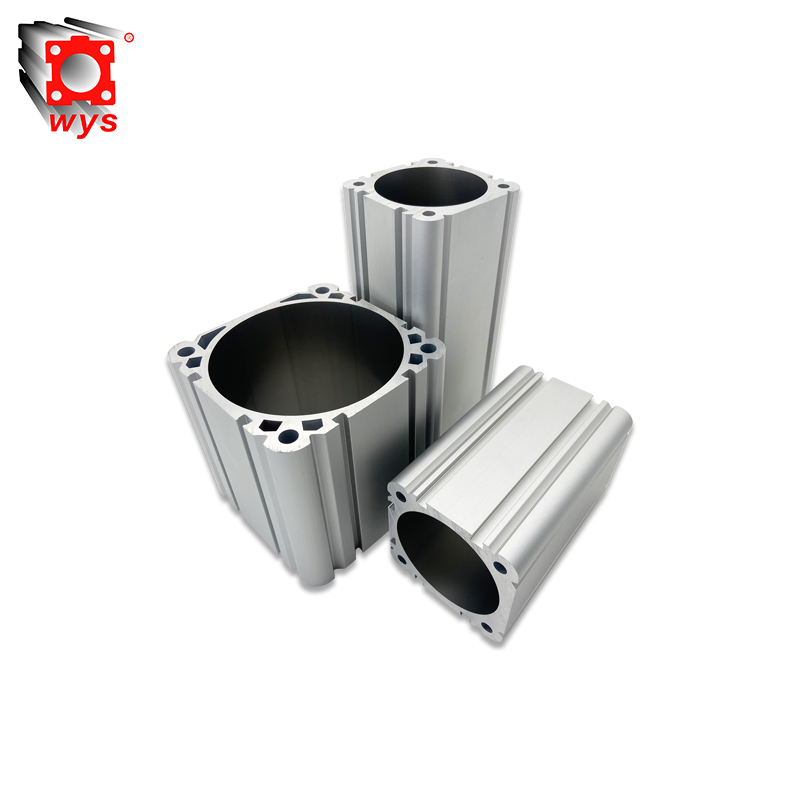
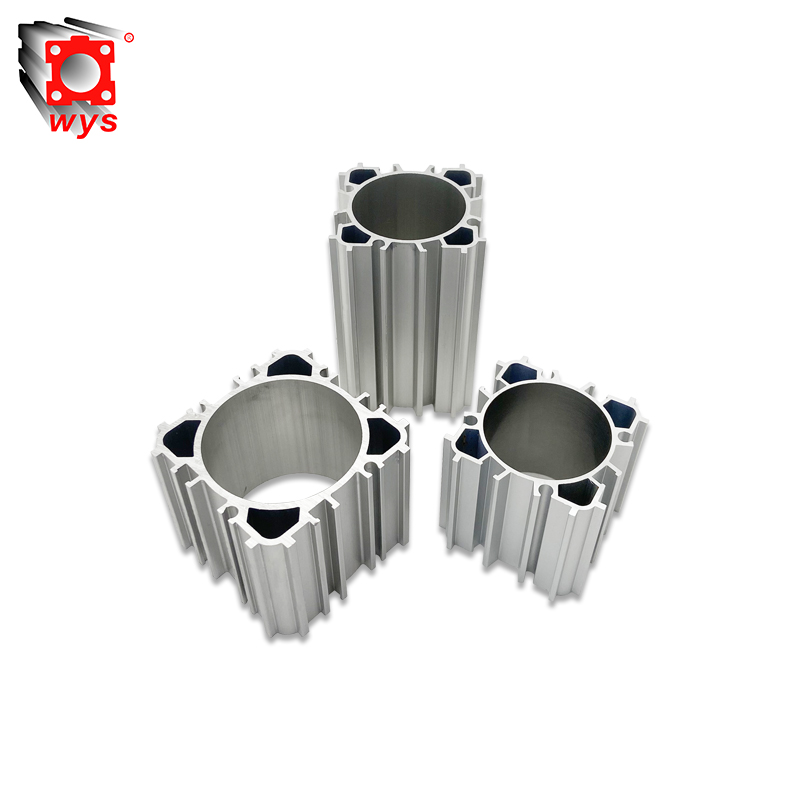
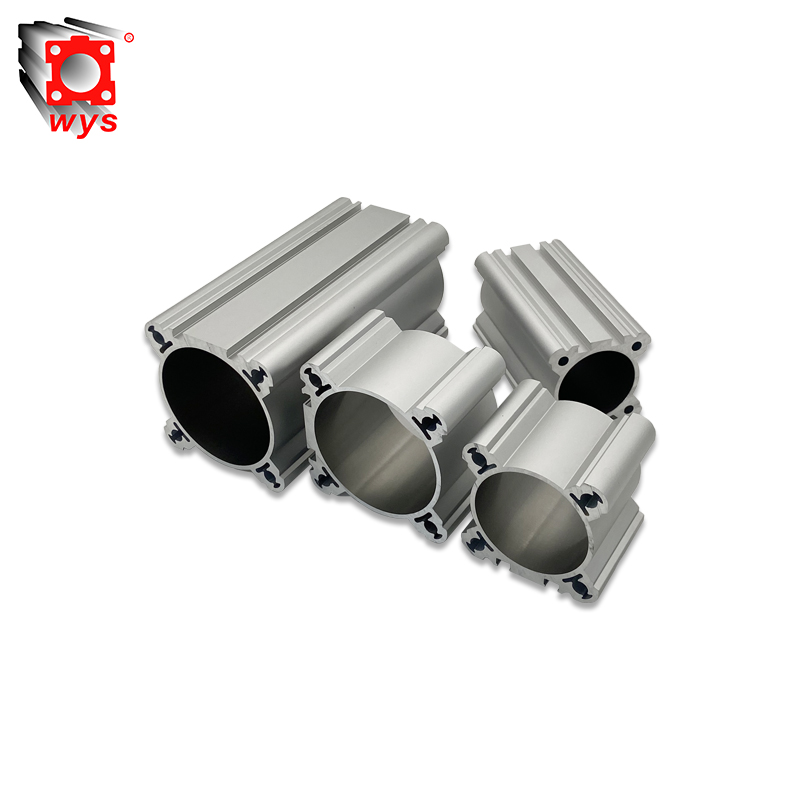
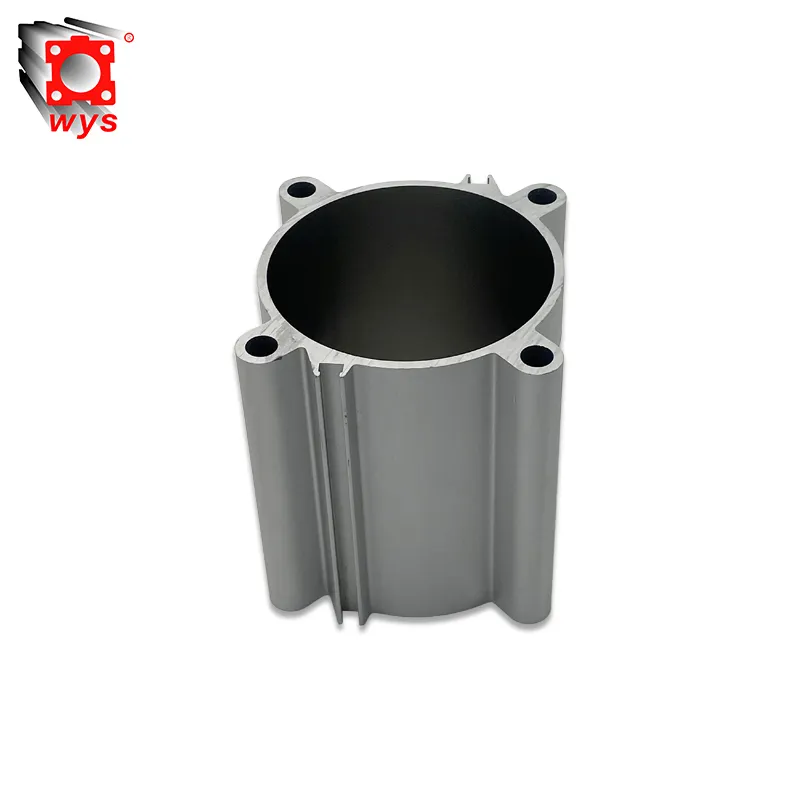
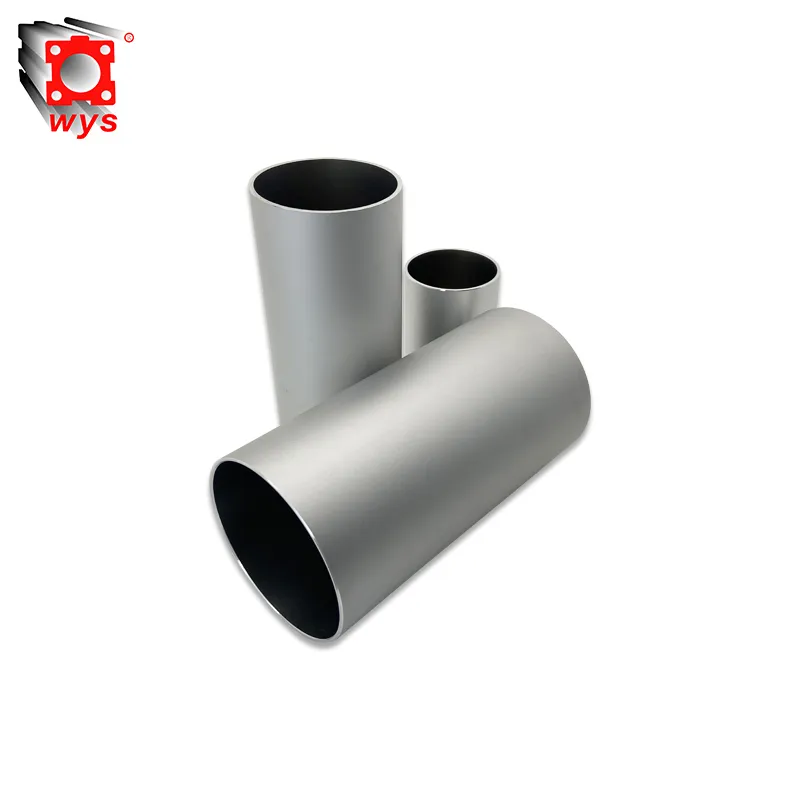
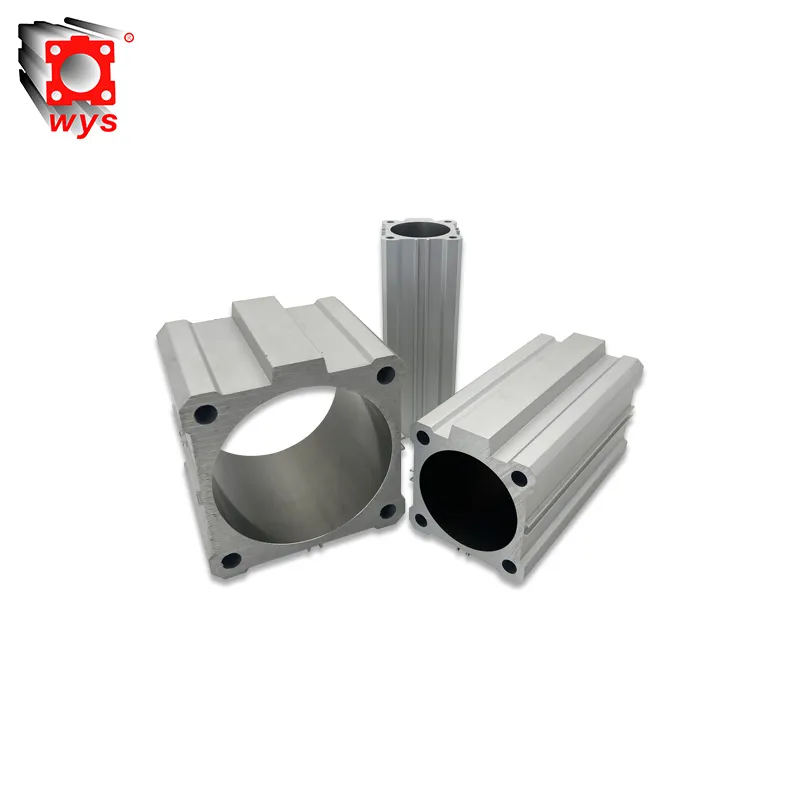
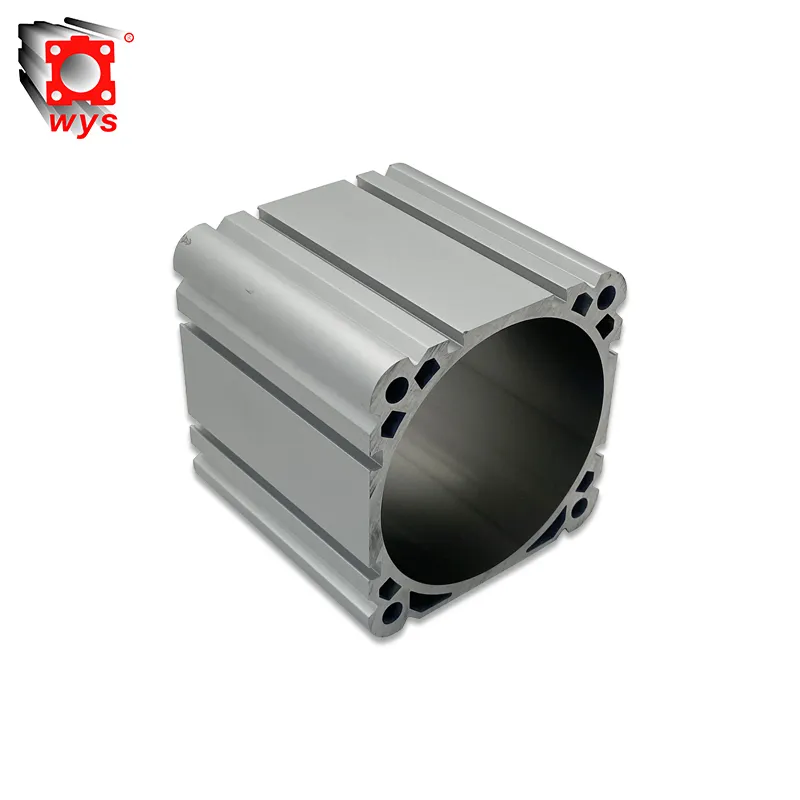
The pneumatic cylinder barrel is the main structural part of the cylinder, typically a hollow cylinder, serving as the basic space for the piston, piston rod, and sealing components to operate and be installed.
The pneumatic cylinder barrel needs independent intake and exhaust paths in both directions. Without ports, compressed air cannot enter or exit, and the pneumatic cylinder barrel cannot perform any action.
Structurally and in principle, a double-acting pneumatic cylinder barrel can "simulate" single-acting operation, but it is not the same as a true single-acting pneumatic cylinder barrel.
When the pneumatic cylinder barrel cannot stably, continuously, and controllably complete piston movement under design conditions, it should be considered damaged or close to damage.
The biggest advantage of a double-acting pneumatic cylinder lies in its bidirectionally controlled operation. From an engineering perspective, double-acting pneumatic cylinder barrels are more conducive to achieving stable and repeatable motion.