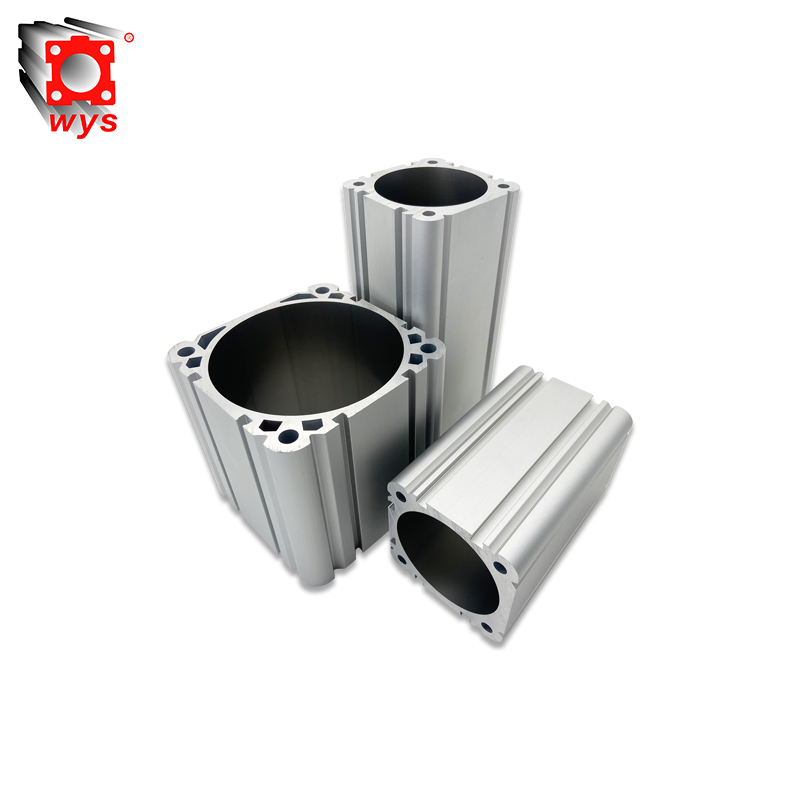
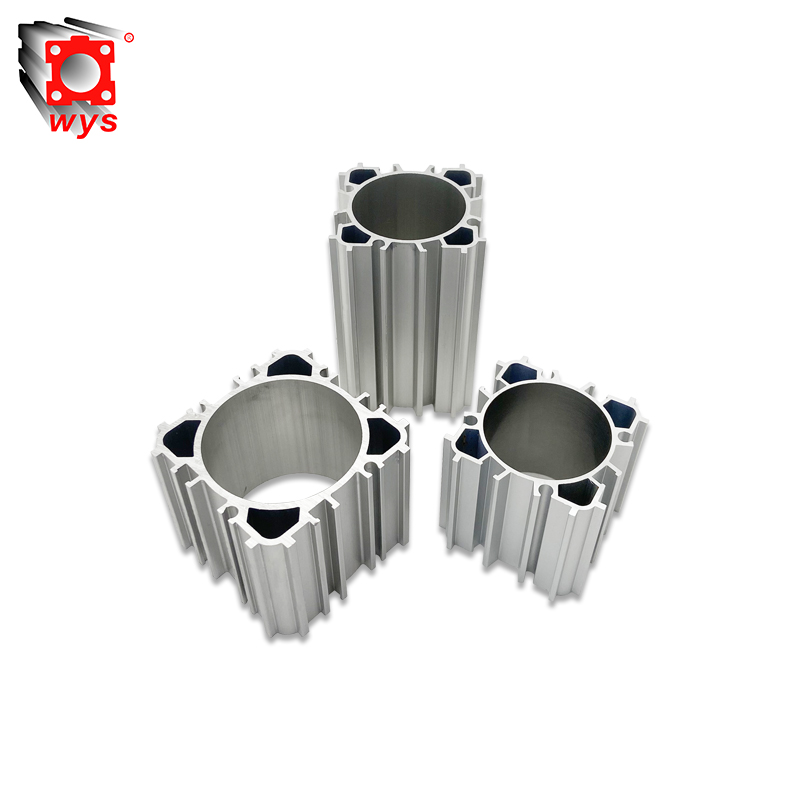
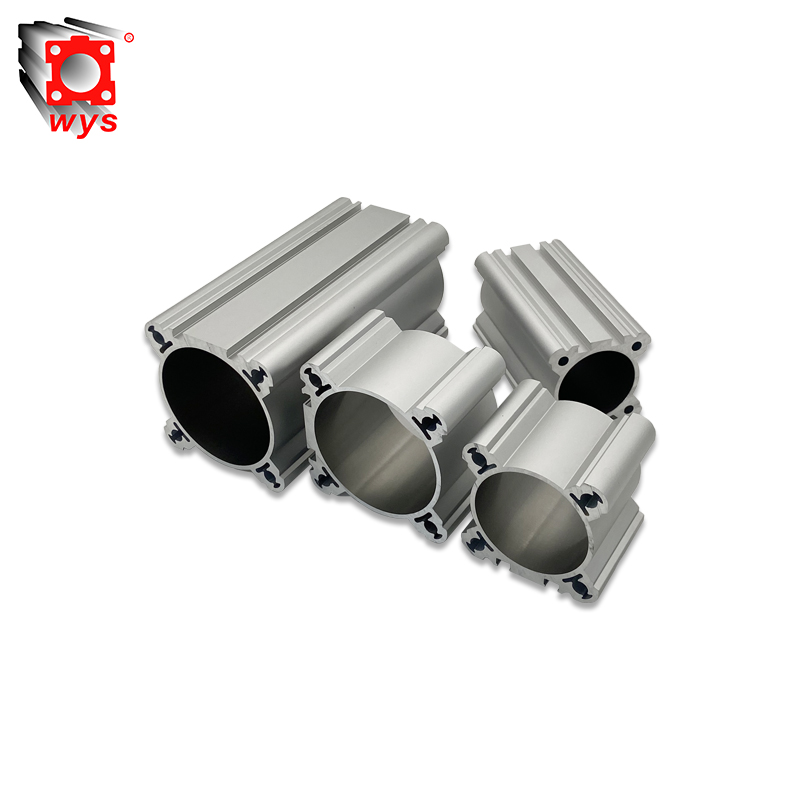
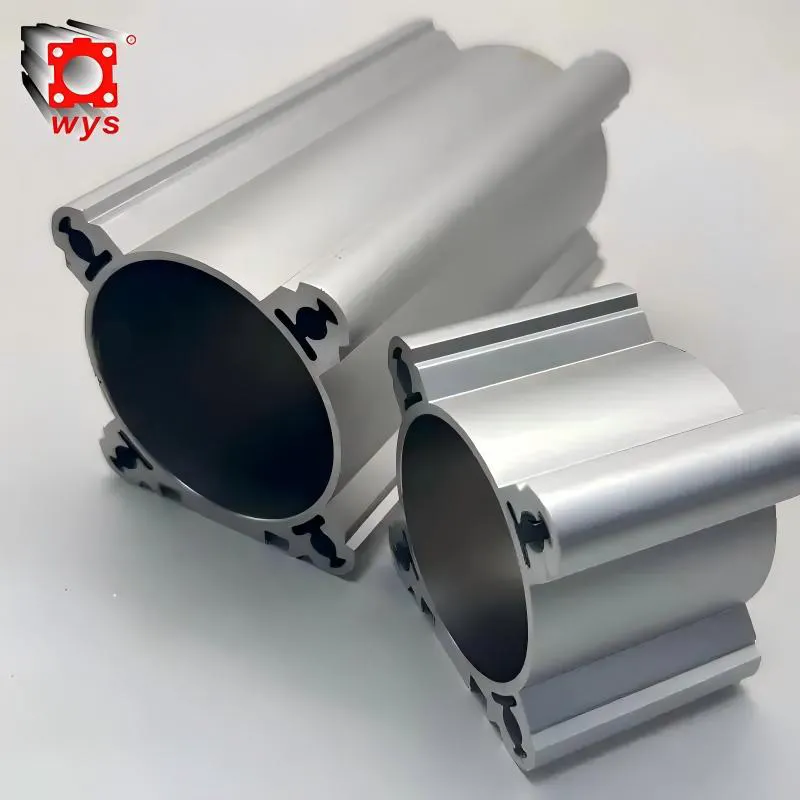
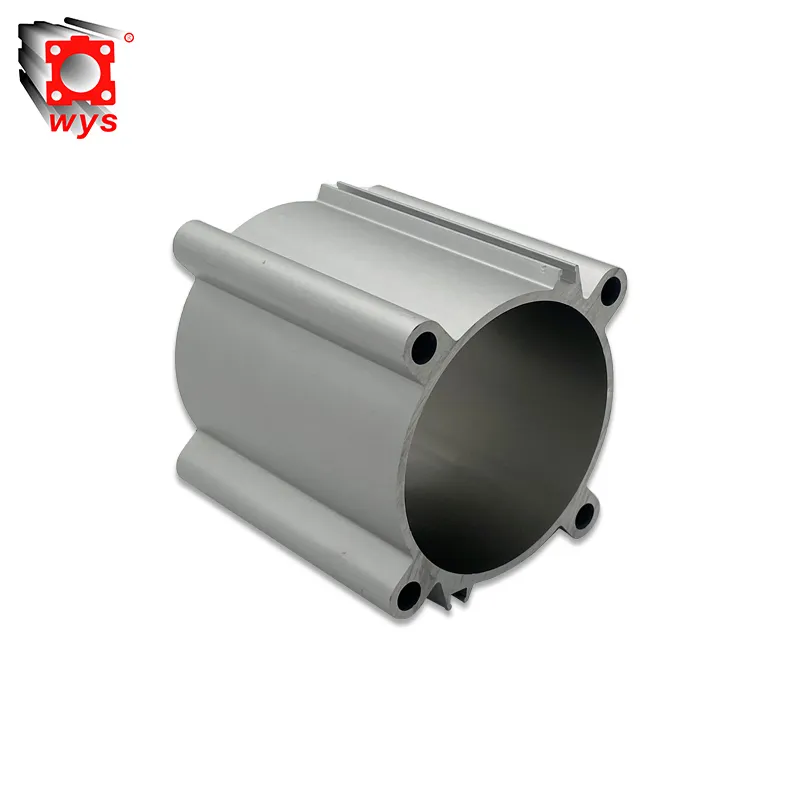
Generally, the radial clearance between the pneumatic cylinder barrel and the piston is typically in the range of 0.01mm to 0.05mm (depending on size grade), but the specific value must be determined in conjunction with design standards and operating conditions.
When purchasing pneumatic cylinder barrels, the following methods can be used to assess product quality:
• Choose a manufacturer with mature production processes
• Inspect the pneumatic cylinder barrel machining and testing equipment
• Understand the quality control standards in the production process
From an engineering maintenance and mechanical structure safety perspective, although some minor problems can theoretically be repaired by machining, in most cases, a deformed pneumatic cylinder barrel is better suited for direct replacement than repair.
Common internal wall treatments in pneumatic cylinder barrel manufacturing include:
• Boring
• Honing
• Grinding
• Polishing
• Surface coating
These processes are typically not used individually, but rather in combination based on the design requirements of the pneumatic cylinder barrel.
The biggest problems in pneumatic system maintenance are compressed air quality and the condition of the system seals.
These two issues directly affect the stability of the entire pneumatic system and ultimately manifest in the operating condition of the pneumatic cylinder barrel.
In conventional industrial applications, the movement speed of a pneumatic cylinder typically falls within the following range:
0.1 m/s ~ 1.5 m/s
Under special design conditions, some pneumatic systems can even reach:
Above 2 m/s