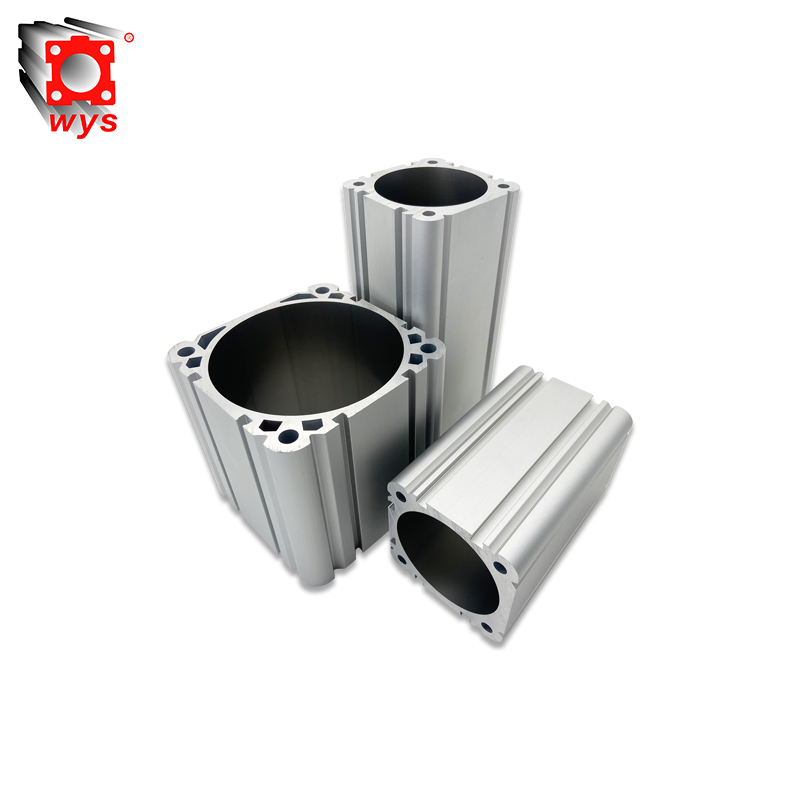
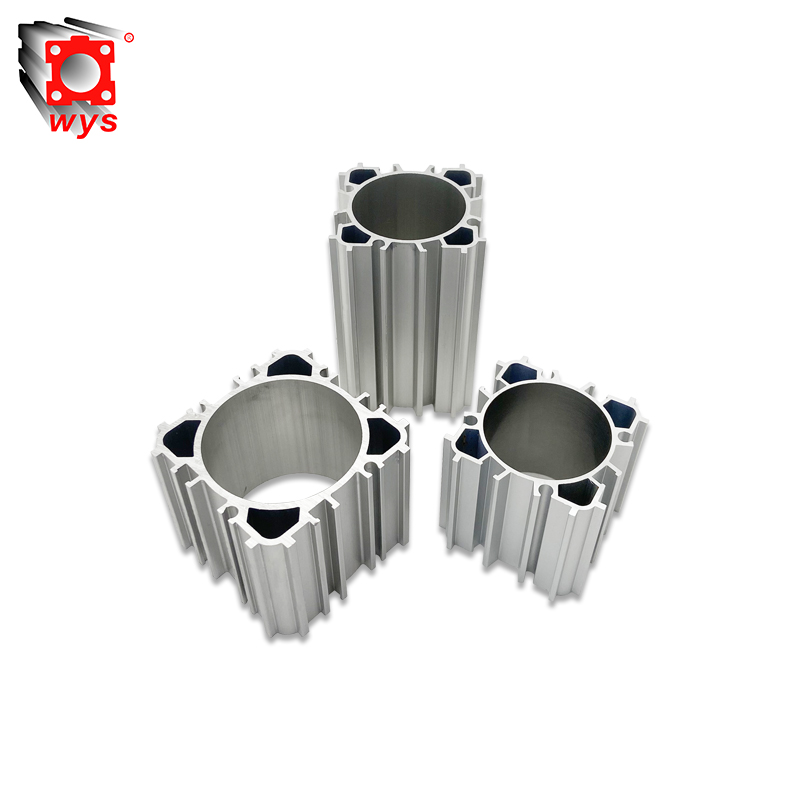
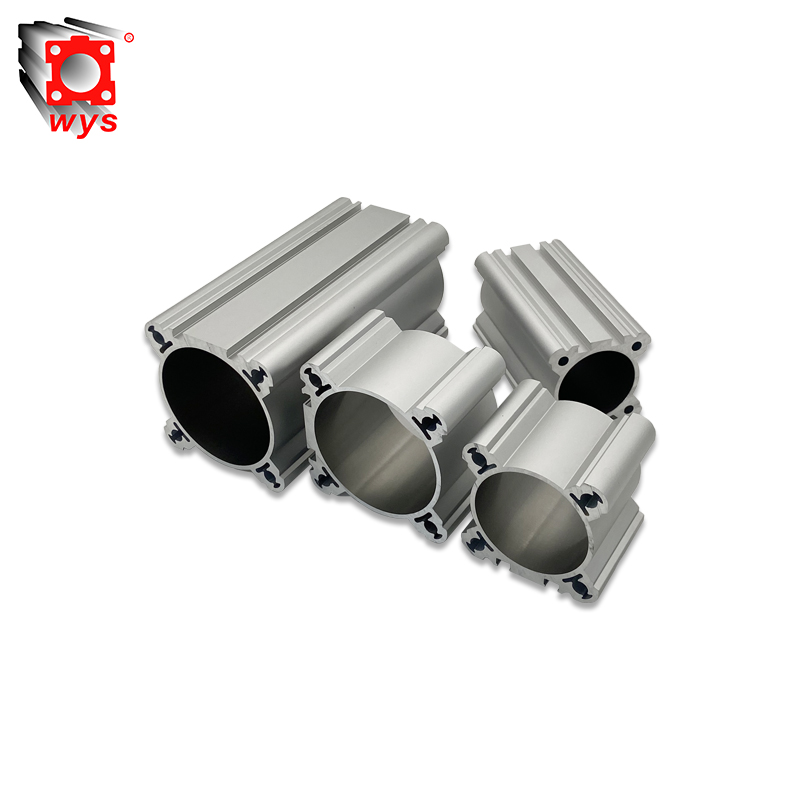
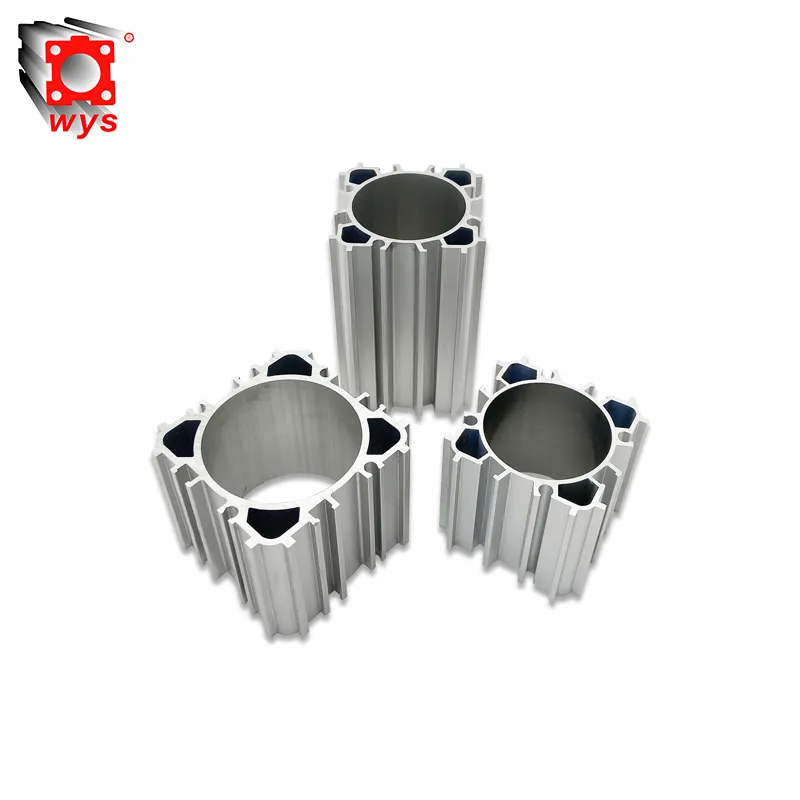
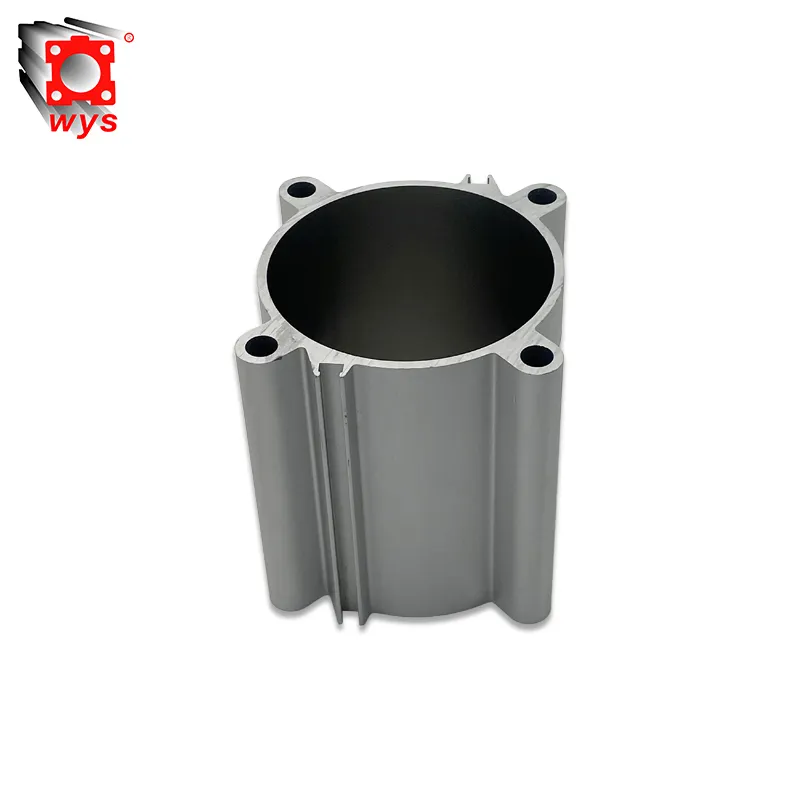
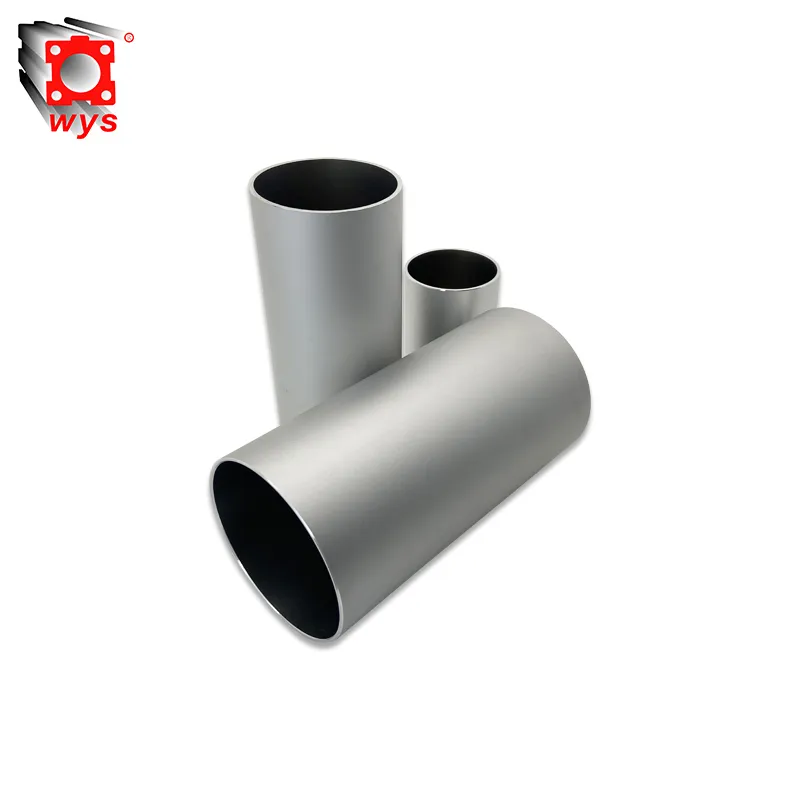
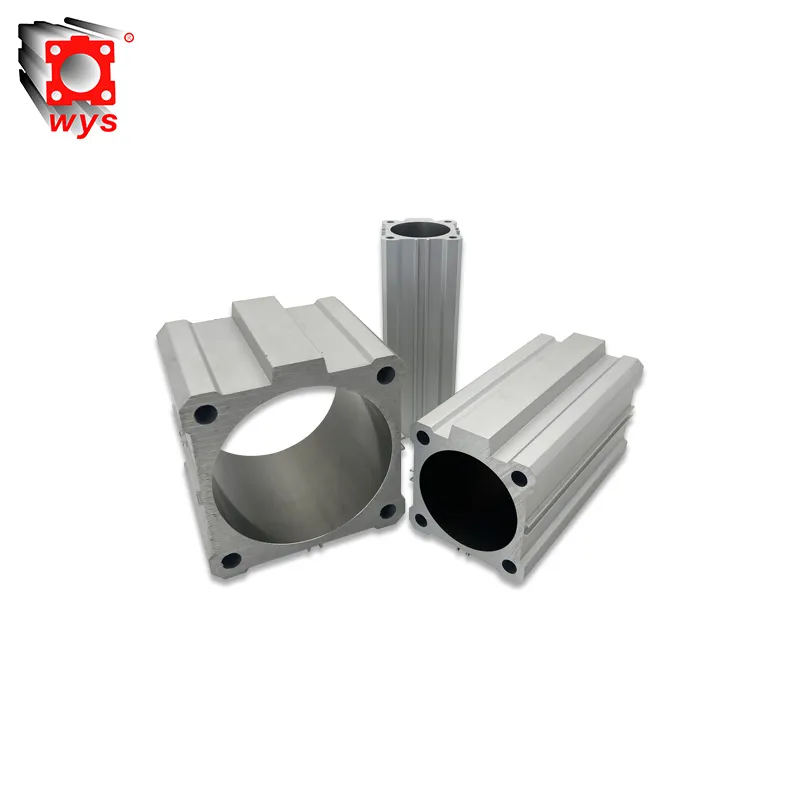
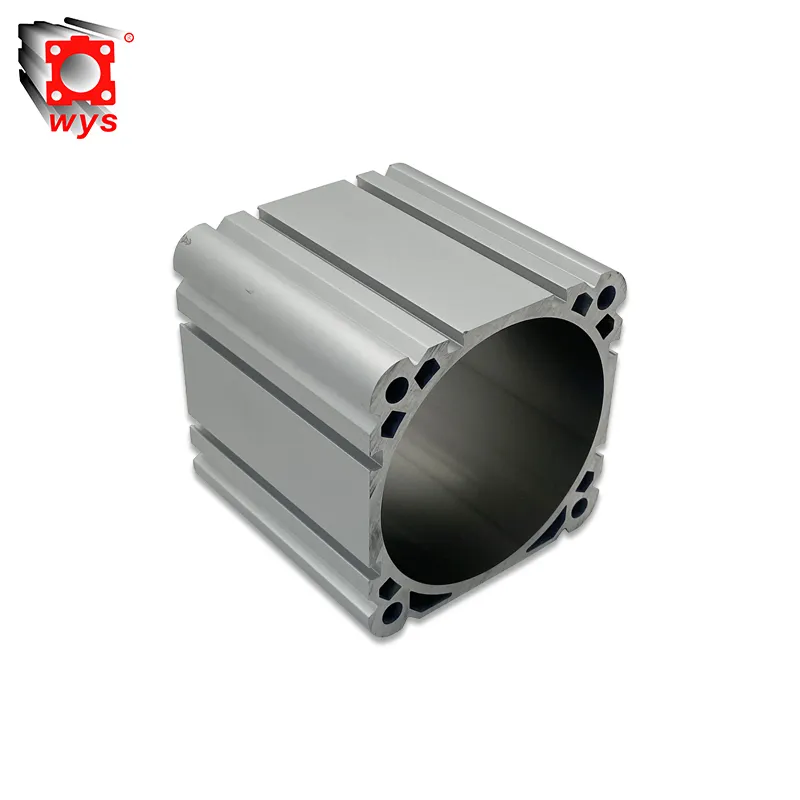
Lǐlùn shàng, yīxiē tèshū dī niándù yèyā yóu kěnéng yǔ pneumatic cylinder barrel mìfēng jiàn cáiliào jiānróng, dàn zài gōngchéng shíjiàn zhōng, jué dà duōshù yèyā yóu réng bù shìhé pneumatic cylinder barrel. Yuányīn bāokuò: • Niándù réng gāo yú qìdòng xìtǒng yāoqiú • nányǐ xíngchéng jūnyún yóu wù • chángqí shǐyòng yì dǎozhì mìfēng jiàn lǎohuà huò xièlòu yīncǐ, wèi bǎozhèng pneumatic cylinder barrel xìngnéng wěndìng, yīng shǐyòng qìdòng zhuānyòng rùnhuá yóu. Pneumatic cylinder barrel rùnhuá yóu de zuòyòng yǔ tèdiǎn zuòyòng • zài gāng tǒng nèibì yǔ huó sè zhī jiān xíngchéng bó yóumó • jiàngdī mócā hé mósǔn • bǎohù mìfēng jiàn • tígāo huósāi dòngzuò píngwěn xìng hé xìtǒng xiàolǜ tèdiǎn • niándù dī, yì suí kōngqì wù huà • duì mìfēng cáiliào yǒuhǎo, bù yǐnqǐ péngzhàng huò yìnghuà • bùyì xíngchéng yóuní huò jī tàn • shìyòng yú dīyā kōngqì xìtǒng zhèxiē tèdiǎn yǔ yèyā yóu yǒu běnzhí chāyì, yīncǐ yèyā yóu bùnéng tìdài qìdòng yóu. Shìfǒu kěyǐ zài pneumatic cylinder barrel zhōng wánquán bù jiāyóu? Jìnnián lái chūxiàn yīxiē miǎn wéihù pneumatic cylinder barrel shèjì, qí tèdiǎn: • Cǎiyòng zì rùnhuá mìfēng jiàn huò dī mócā tú céng • chūchǎng yǐ wánchéng yù rùnhuá • zài shèjì shòumìng nèi wúxū éwài rùnhuá dàn jíbiàn rúcǐ, zhè lèi pneumatic cylinder barrel yīrán bùnéng shǐyòng yèyā yóu, fǒuzé huì pòhuài mìfēng cáiliào hé yù rùnhuá xiàoguǒ. Yèyā yóu wù jiā dào pneumatic cylinder barrel hòu de yìngduì cuòshī rúguǒ fāxiàn yèyā yóu yǐjīng jiā dào pneumatic cylinder barrel, jiànyì cǎiqǔ yǐxià cuòshī: 1. Lìjí tíngzhǐ xìtǒng yùnxíng fángzhǐ yèyā yóu jìnyībù pòhuài mìfēng jiàn 2. Chāixiè pneumatic cylinder barrel qīngxǐ nèibù shǐyòng qìdòng zhuānyòng qīngxǐ jì qīngchú yèyā yóu cánliú 3. Gēnghuàn mìfēng jiàn yèyā yóu kěnéng yǐjīng dǎozhì mìfēng jiàn péngzhàng huò yìnghuà 4. Chóngxīn jiā zhù qìdòng zhuānyòng rùnhuá yóu huīfù pneumatic cylinder barrel de zhèngcháng rùnhuá tiáojiàn 5. Xìtǒng shì yùnxíng jiǎnchá huósāi dòngzuò píngwěn xìng, qì mì xìng hé shūchū lì wèishéme qìdòng xìtǒng bùnéng zhíjiē shǐyòng yèyā yóu? Zǒngjié jìshù yuánlǐ, kěyǐ gàikuò wèi yǐxià jǐ diǎn: 1. Niándù bù pǐpèi: Yèyā yóu tài chóu, wúfǎ suí kōngqì fēnbù 2. Mìfēng cáiliào bù jiānróng: Yèyā yóu kěnéng pòhuài qìdòng mìfēng jiàn 3. Rùnhuá jīzhì bùtóng:Pneumatic cylinder barrel yīlài yóu wù bómó, ér fēi hòu yóumó 4. Xìtǒng xiàolǜ xiàjiàng: Yèyā yóu dǎozhì huósāi yùndòng zǔlì zēngjiā yīncǐ, zài gōngchéng shíjiàn zhōng, yèyā yóu yǔ pneumatic cylinder barrel shǐyòng yāoqiú bù pǐpèi, zhíjiē tiānjiā yèyā yóu shǔyú cuòwù cāozuò. Yèyā yóu kěyǐ jiā dào pneumatic cylinder barrel lǐ ma? • Yèyā yóu bù shìhé jiā dào pneumatic cylinder barrel zhōng • yèyā yóu niándù gāo, wù huà xìngchà, mìfēng jiānróng xìng dī • cuòwù shǐyòng yèyā yóu huì dǎozhì mìfēng jiàn sǔnhuài, yùndòng zǔlì zēngjiā,pneumatic cylinder barrel xièlòu • pneumatic cylinder barrel yīng shǐyòng qìdòng zhuānyòng rùnhuá yóu huò àn chūchǎng yù rùnhuá yāoqiú wéihù • miǎn wéihù pneumatic cylinder barrel yě bùnéng shǐyòng yèyā yóu zhèngquè lǐjiě yóu pǐn xuǎnzé yuánzé, shì bǎozhèng pneumatic cylinder barrel chángqí wěndìng yùnxíng, yáncháng shòumìng hé wéichí xìtǒng xiàolǜ de guānjiàn. Why trust Weiyingjia for purchasing pneumatic cylinders? Weiyingjia has specialized in aluminum alloy pneumatic cylinders and components for over 15 years. Our factory features 10,000 square meters of production space, six advanced lines, and more than 100 skilled technicians. Each product passes rigorous quality inspections including polishing, hard anodizing, and CNC precision machining. By choosing Weiyingjia, buyers secure high-quality, durable, and energy-efficient pneumatic cylinders and components at competitive prices for both wholesale and branded projects.
1,941
Theoretically, some special low-viscosity hydraulic oils may be compatible with pneumatic cylinder barrel sealing materials. However, in engineering practice, most hydraulic oils are still unsuitable for pneumatic cylinder barrels.
2026-03-10
More